In modern Electrical engineering, control engineering, and industrial automation, efficiency and structural organization are paramount. Passing dozens of single wires through conduits, cable trays, or equipment enclosures quickly leads to messy installations, increased labour costs, high maintenance complexity, and an elevated likelihood of cross-wiring errors.
Enter the multi conductor cable—a streamlined solution designed to bundle multiple insulated conductors safely inside a single protective jacket. Whether powering heavy industrial automation, transmitting sensitive sensor signals, or enabling smart building management systems, multi conductor cables serve as the functional nervous system of modern electrical infrastructures.
In this article
What is a Multi Conductor Cable?
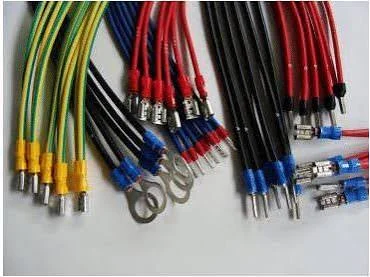
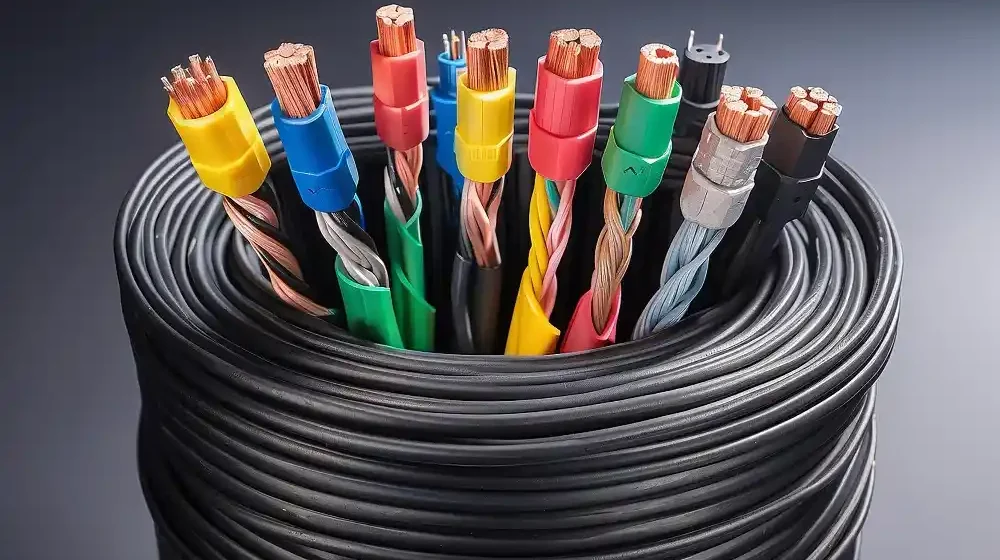
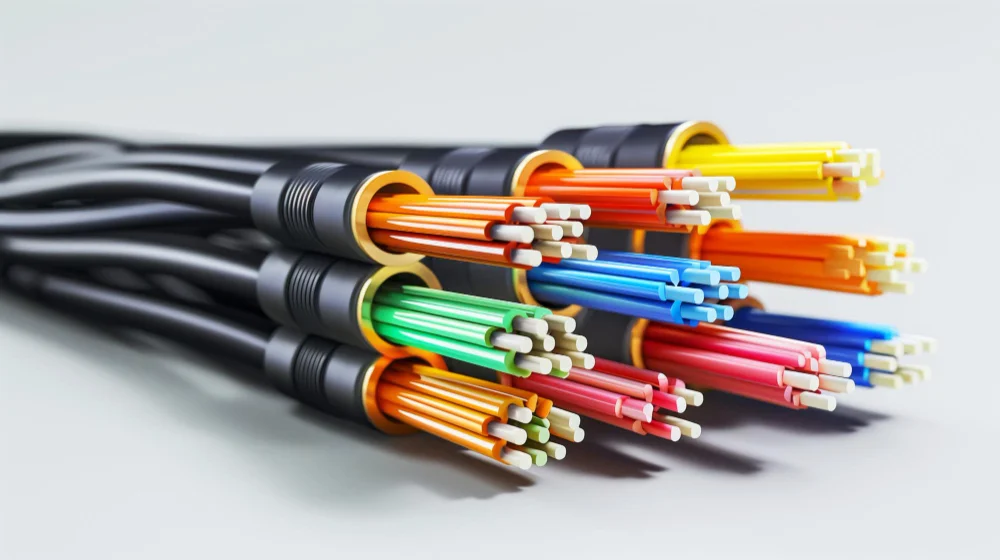
A multi conductor cable is an electrical cable that contains two or more separately insulated conductors (wires) wrapped inside an outer protective sheath or jacket. Unlike single-conductor wires, which transmit a single electrical path, a multi conductor cable allows multiple independent power lines, control circuits, or signal paths to run simultaneously within a single compact Cable assembly.
Key Components of a Multi Conductor Cable
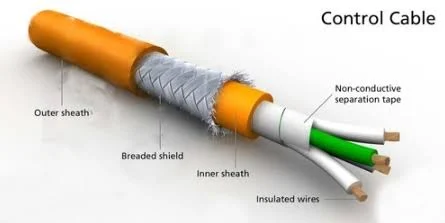
To understand how a multi conductor cable functions, it is essential to examine its internal construction layer by layer:
1. Conductors (The Core)
The conductors are the metallic pathways that carry electric current or signals.
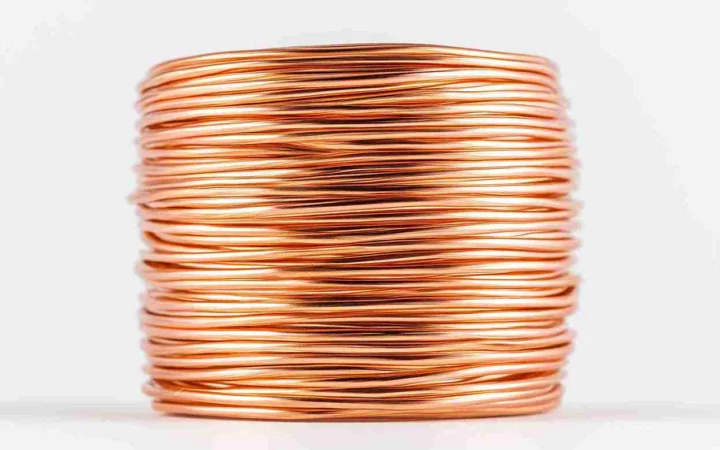
- Copper: The industry standard due to its high electrical conductivity and flexibility.
- Bare Copper: Standard electrical conductor for indoor/dry applications.
- Tinned Copper: Coated with a thin layer of tin to resist corrosion, oxidation, and facilitate easier soldering in humid or marine environments.
- Aluminum: Lightweight and cost-effective, often used in utility-scale Power distribution, though less flexible than copper.
- Stranded vs. Solid:
- Solid Conductors: Rigid construction, best suited for permanent, static installations (e.g., in-wall building wiring).
- Stranded Conductors: Composed of fine wire strands twisted together, providing high flexibility required for moving machinery or tight-radius bends.
2. Insulation
Each individual conductor within the multi conductor cable must be insulated to prevent short circuits, cross-leakage, and Electrical shocks. Common materials include:
Highly cost-effective, flexible, and flame-retardant.
Superior heat resistance and dielectric properties, ideal for medium-to-high voltage power distribution.
Offers superior flexibility and durability across extreme cold/hot temperature ranges.
Exceptional chemical inertness and thermal resistance for aggressive chemical and thermal environments.
3.Fillers and Binders
To ensure the multi conductor cable maintains a round profile and structural integrity under tension, fillers (such as jute, polypropylene, or cotton threads) are embedded between conductors to eliminate hollow air gaps. Synthetic binding tape is wrapped around the core bundle to keep the conductors tightly secured during bending.
4.Shielding
When a multi conductor cable operates near high electromagnetic fields (electric motors, transformers, Wireless transmitters), electromagnetic interference (EMI) can corrupt signals.
A thin layer of aluminum-backed Mylar providing 100% physical coverage, highly effective against high-frequency electronic noise.
A woven mesh of bare or tinned copper offering superior mechanical durability, physical flexibility, and low-frequency noise protection.
Employs both foil and braid layers for maximum EMI suppression across a broad frequency spectrum.
5.Outer Jacket
The outermost layer protects internal components from Mechanical abrasion, chemicals, UV radiation, moisture ingress, and thermal stress. Popular jacket compounds include PVC, Polyurethane (PUR), Neoprene, and Low Smoke Zero Halogen (LSZH) materials.
Key Advantages of Using a Multi Conductor Cable
Engineers and electrical installers consistently specify multi conductor cable designs over individual single-conductor wires due to several clear operational benefits:
Pulling one multi conductor cable through conduit or cable trays requires a fraction of the time and labor compared to pulling multiple single Wires.
Engineered to minimize total bundle diameter, multi conductor cables maximize usable space in crowded enclosures, conduit paths, and drag chains.
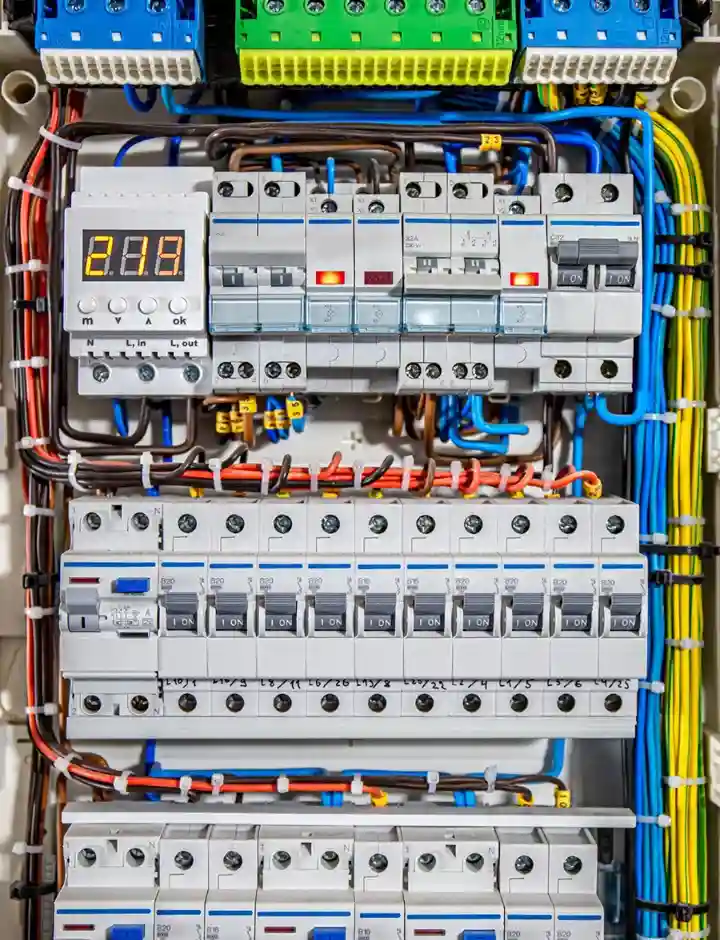
Standardized color-coding or printed numerical indexing on core insulation accelerates circuit identification during installation, maintenance, or fault tracing.
The unified outer jacket provides a tough, continuous protective seal against oils, moisture, mechanical wear, and heat.
Internal shielding preserves signal purity by isolating sensitive control currents from external power noise.
How to Select the Right Multi Conductor Cable
Choosing the wrong multi conductor cable specification can lead to early cable degradation, Electrical faults, or unscheduled downtime. Use this selection framework before buying:
1. Operating Voltage and Amperage Requirements
Check that the voltage rating (e.g., 300V, 600V, or 1000V) meets your system parameters. Size the conductor cross-section (AWG or mm²) appropriately for the current load to prevent excessive resistance heating and voltage drops.
2.Environmental & Exposure Conditions
Ensure the cable’s thermal rating matches the ambient environment (both cold-flex and high-heat scenarios).
Select Polyurethane (PUR) or specialized oil-resistant PVC jackets for industrial machining centers exposed to cutting fluids.
Verify sunlight (UV) resistance and water-resistant constructions for direct exposure or wet raceways.
3. Motion & Flexing Dynamics
Match the internal stranding and outer jacket properties to the mechanical duty cycle:
Standard solid or coarse-stranded conductors.
Fine-stranded copper with flexible jacket compounds.
Super-fine stranding, low-friction core wrapping, and high-tensile jackets built for millions of flex cycles.
4. Shielding Demands
If your multi conductor Cable runs parallel to high-voltage equipment, variable frequency drives (VFDs), or wireless arrays, select a shielded version (foil, braid, or combination) to safeguard signal integrity.
5. Regulatory Compliance
Ensure the chosen cable holds all necessary industry approvals for your region and application
Frequently Asked Questions (FAQs)
What is the difference between multi-conductor and multi-pair cables?
Multi-conductor cables bundle individual wires together. Multi-pair cables twist wires into pairs first to block signal interference and crosstalk.
How do I select the right wire gauge (AWG)?
Match AWG to your current load and distance. Higher amperage or longer runs require thicker wires (lower AWG) to prevent power loss and overheating.
When is shielding required?
Use shielding when running sensitive data or control lines near heavy electrical noise from motors, VFDs, or high-voltage equipment.
Can these cables be buried underground?
Only cables explicitly rated for direct burial (such as Type UF-B) can be buried without protective conduit.
Conclusion
Multi-conductor cables simplify electrical systems by bundling power, signal, and control lines into a single durable jacket. Selecting the right voltage, gauge, shielding, and jacketing ensures a safe, cost-effective, and reliable installation across industrial and commercial environments.

Auctus Electro Assembly delivers a wide range of electrical solutions with fast turnaround times and reliable service. Wire harnesses, cable assemblies, box builds and electronics contract manufacturing from Rolling Meadows, IL.
Request a Quote