- 3876 Industrial Ave, Rolling Meadows, IL 60008
- Info@auctuselectro.com

- 3876 Industrial Ave, Rolling Meadows, IL 60008
- Info@auctuselectro.com
Overmolded Cable
- Home
- Overmolded Cable
Overmolded Cable Assemblies: Enhancing Cable Durability, Protection, and Performance
In modern electrical manufacturing, wire harnesses and cable assemblies are used across diverse sectors—from heavy industry and automotive to medical devices and consumer electronics. While standard cable preparation (such as wire twisting, crimping, and soldering) lays the foundation for electrical connectivity, demanding environments often require a superior layer of protection. This is where overmolded cable assemblies become indispensable.
Overmolding transforms individual wires, connectors, and backshells into a single, seamless component. Let’s dive into what overmolding is, how it enhances wire insulation and structural integrity, and why it is essential for high-reliability applications.
What Is Cable Overmolding?
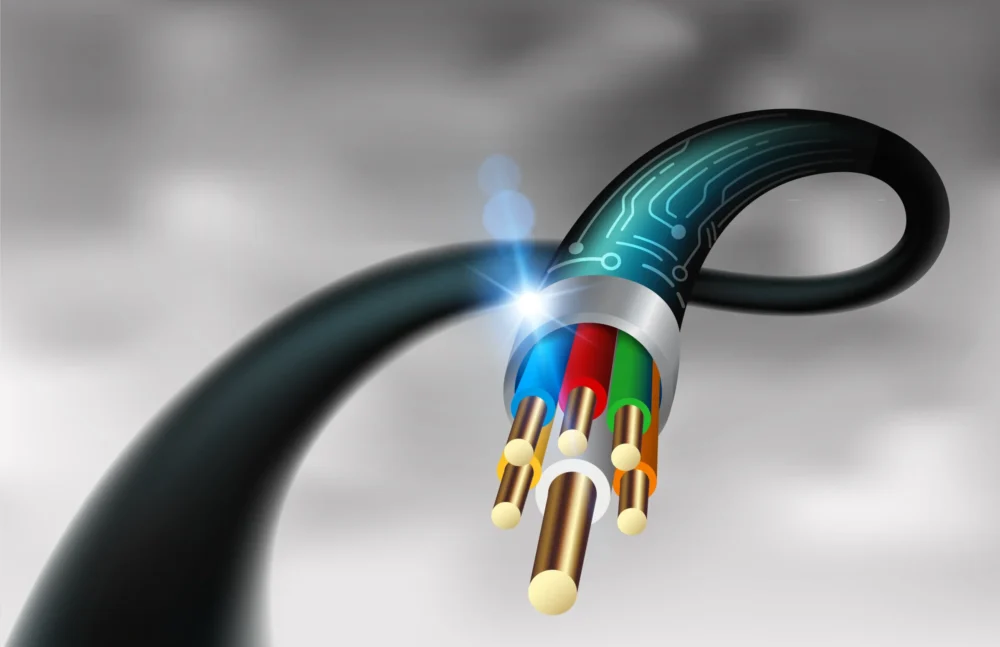
Cable overmolding is a custom manufacturing process where a molten resin or thermoplastic material is injected around a cable and its connector backshell. Once cured, the overmold material forms a solid outer layer that completely encapsulates the junction between the wire insulation, conductors, and connector housing. Unlike traditional assembly methods—such as applying simple heat-shrink tubing or mechanical shells—overmolded backshells become a unified, single-piece structure with the cable.
Key Benefits of Overmolded Cable Assemblies
Sourcing custom wire assemblies from a dedicated contract manufacturing partner allows your facility automation projects to scale smoothly. Every raw material batch undergoes strict dielectric testing to guarantee absolute electrical isolation across your network.
Matching Thermal Ratings for High-Temperature Applications
- Enhanced Environmental Protection & Sealing
Overmolding provides a sealed barrier against liquid ingress, moisture, dust, chemical exposure, and extreme weather conditions. This makes overmolded cables ideal for outdoor, industrial, or marine applications where exposed wire insulation might otherwise degrade or short-circuit over time. - Superior Strain Relief & Mechanical Strength
The junction where a cable enters a connector is typically its weakest mechanical point. Bending, flexing, pulling, or continuous vibration can strain the internal wire conductors, leading to intermittent opens or electrical failure. Overmolding distributes mechanical stress along the length of the cable, providing robust strain relief and extending product lifespans. - Improved Electrical Insulation & Safety
Encapsulating internal solder joints, crimps, and conductors within resin eliminates exposed live parts. This enhances overall wire insulation performance, prevents short circuits, and ensures compliance with strict safety standards, including RoHS and UL certifications. - Custom Aesthetics & Functional Features
Overmolding allows manufacturers to incorporate custom features directly into the mold, including:
DOCX
- Custom branding, logos, and part numbers.
- Ergonomic grips for ease of plugging and unplugging.
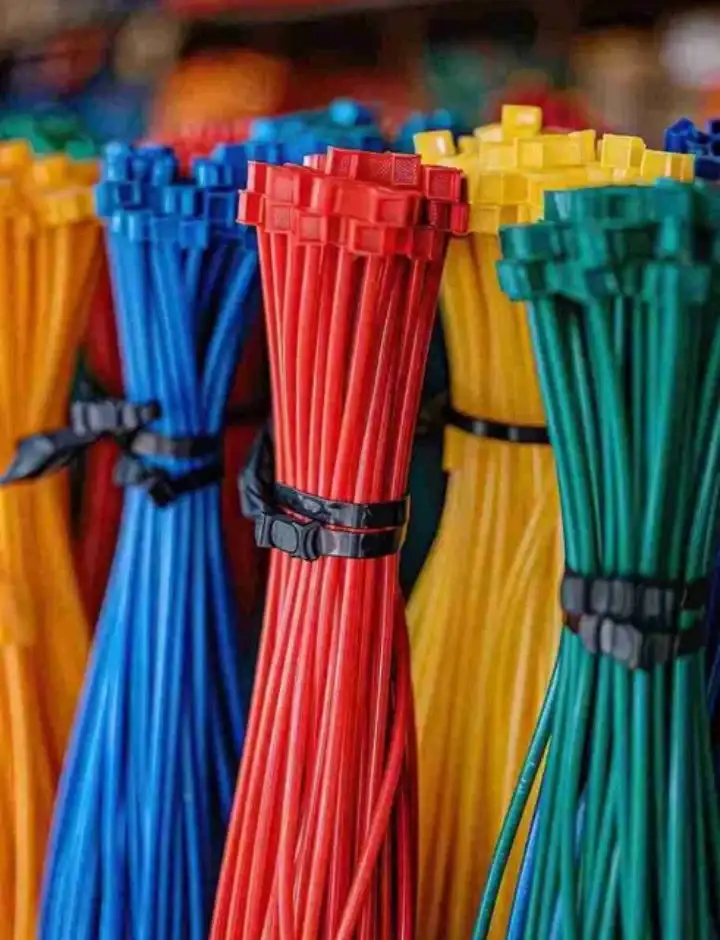
- Color-coded strain reliefs for quick field identification.
- Integrated keyway features to prevent mis-mating in complex control panels.
Common Applications Across Industries
- Automotive & Transportation: Engine wiring, sensor leads, and exterior light harnesses subjected to heat, oil, and continuous vibration.
- Industrial Automation: Control panel cables, robotics arm wiring, and heavy equipment assemblies requiring high flex cycles and rugged outer shells.
- Medical Devices: Sealed, easy-to-clean cables designed to withstand frequent sterilization and fluid contact.
- Consumer Electronics & Gaming: Durable power and signal interconnects that resist strain from everyday consumer handling.
Frequently Asked Questions (FAQs)
1. What is cable overmolding?
A process where resin is injected around a cable and connector to create a single, protective component.
2.How does overmolding differ from heat-shrink tubing?
Overmolding provides full IP-rated sealing and heavy-duty strain relief, whereas heat-shrink offers basic protection.
3.Why use overmolded cables in harsh environments?
They create an airtight seal against water, dust, chemicals, and extreme vibration.
4.Can overmolded assemblies be customized?
Yes, custom logos, colors, keyways, and ergonomic grips can be built directly into the mold.
5.Where can I source custom overmolded cable assemblies?
Domestic contract manufacturers like Auctus Electro Assembly build custom assemblies to match exact engineering specs.
Conclusion
When application reliability cannot be compromised, relying solely on standard wire insulation or simple bundling is often not enough. Overmolded cable assemblies provide an all-in-one solution for strain relief, environmental sealing, and long-term mechanical durability. By working with experienced custom cable assembly partners—such as Auctus Electro Assembly—engineers and manufacturers can ensure their cable designs are built to perform in even the most demanding operating conditions.
Go To Top