Not every conductor needs insulation. Grounding grids, lightning protection systems, bonding jumpers, and many cable cores rely on plain, uninsulated copper because it is simple, strong, and highly conductive. Bare copper wire is one of the oldest and most trusted electrical materials, yet buyers still mix up tempers, standards, and coatings. This guide explains what it is, how it is graded, where it works best, and what to check before ordering, whether you buy it by the coil or as part of custom Wire Harness and Cable Assemblies across the USA.
In this article
- 01What Bare Copper Wire Is, and What Is Not
- 02Why Copper Is the Conductor of Choice
- 03Soft-Drawn, Medium-Hard, or Hard-Drawn Temper
- 04Solid or Stranded: Matching Form to Function
- 05Standards That Define Quality Copper Conductor
- 06Jobs Bare Copper Wire Does Best
- 07Bare vs. Tinned vs. Insulated Copper
- 08Fighting Corrosion and Galvanic Problems
- 09Connecting and Terminating Uninsulated Copper
- 10Handling and Storing Copper Wire
- 11Bare Copper Wire Answers for Buyers
What Bare Copper Wire Is, and What Is Not
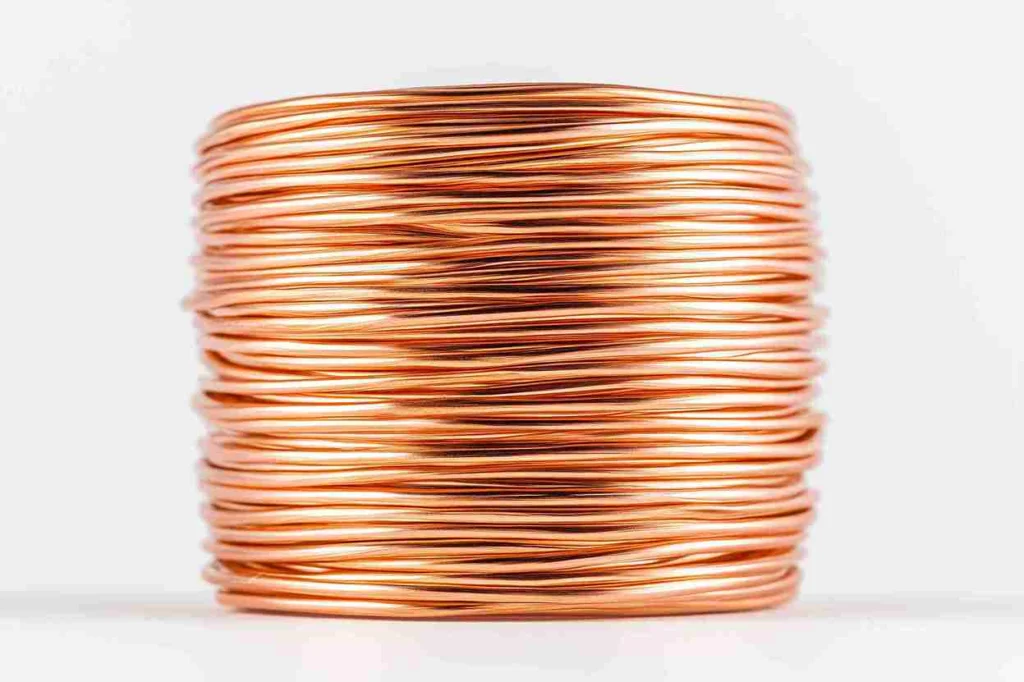
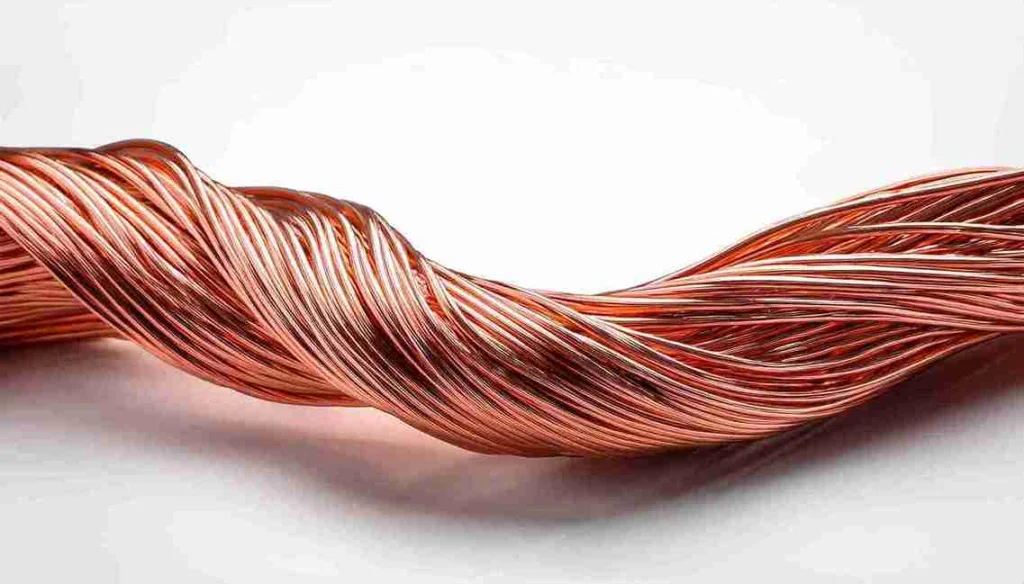
Bare copper wire is a copper conductor with no insulation, jacket, or plating over the metal. That makes it different from tin-coated copper, which carries a thin metal layer, and from insulated wire with a plastic covering, as covered in our PVC coated wire guide. Because the surface is exposed, bare wire is used where contact with soil, metal structures, bus connections, or connectors is intended, and where no insulation thickness is wanted, and an Engineering Support review can confirm whether bare copper suits your design.
Why Copper Is the Conductor of Choice
Copper has very high electrical and thermal conductivity, which keeps losses and heating low, resists many forms of corrosion, and is easy to form and join. The standard reference, annealed copper, is defined as 100 percent on the IACS conductivity scale. Aluminum is lighter and cheaper but needs a larger size for the same current, a trade-off covered in our article on aluminum conductor cable. In panels and equipment built as Electromechanical Assemblies, copper remains the default for compact, reliable connections.
Soft-Drawn, Medium-Hard, or Hard-Drawn Temper
Temper describes how hard and flexible the wire is after drawing and heat treatment. Choose it by the job, and keep common tempers and sizes available through Supply Chain and Inventory Management:
Most flexible and highest conductivity, easy to bend and terminate.
A balance of strength and workability for general use.
Highest tensile strength, used where wire must hold tension or resist sagging.
Solid or Stranded: Matching Form to Function
Solid wire is a single strand, simple, rigid, and economical, which suits fixed grounding runs and short jumpers. Stranded wire is many small strands twisted together, which flexes far better and survives vibration. Sizes range from fine gauge wires to large, stranded conductors in kcmil. Sample lengths for testing can be produced quickly through Quick Turn Cable Assembly.
Standards That Define Quality Copper Conductor
Look for wire that meets recognized ASTM specifications. Common examples include ASTM B3 for soft or annealed copper wire, B1 for hard-drawn copper wire, B2 for medium-hard-drawn copper wire, and B8 for concentric-lay-stranded copper conductors. Mill certificates and lot traceability matter on grounding and safety projects, and a partner in Electronics Contract Manufacturing can document incoming material for production builds.
Jobs Bare Copper Wire Does Best
Bare copper is common wherever a conductor must touch the earth or a metal surface and long service life matters, and you can explore related work through Our Services. Our ground wire guide covers grounding practice in detail. Typical uses include:
Connecting systems to the earth.
Down conductors and air terminals.
Large buried copper networks.
Linking metal enclosures, pipes, and frames.
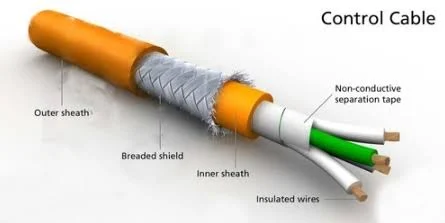
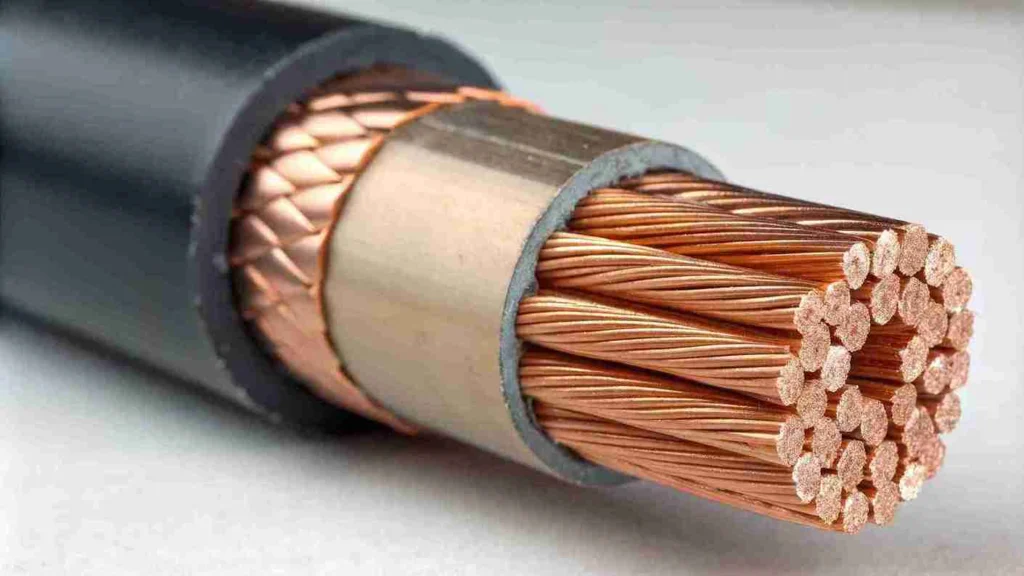
Conductors inside insulated and shielded cables.
Bare vs. Tinned vs. Insulated Copper
The right form depends on where the wire will live. Bare copper offers the best direct contact and lowest cost. Tinned copper adds corrosion resistance and easier soldering, which helps in humid or marine settings. Insulated wire adds protection and identification, and standard types are explained in our guide to wire insulation materials. General building wire such as THWN wire is a typical insulated choice for conduit.
Fighting Corrosion and Galvanic Problems
Bare copper slowly forms a dull oxide layer, which is usually harmless, but trouble starts when copper meets other metals in moisture. Galvanic action can attack aluminum, steel, and zinc-coated parts, so use compatible connectors and sealants. For buried grounding, see our Direct Burial Wire guide, and for corrosion control systems, our cathodic protection cable article.
Connecting and Terminating Uninsulated Copper
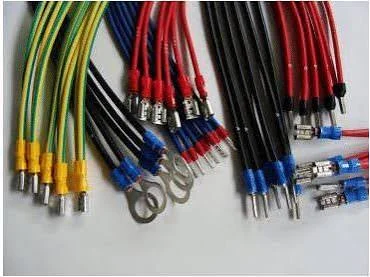
Good joints keep a grounding path reliable for decades, while poor ones add resistance and fail first. Compression connectors, mechanical lugs, and exothermic welds are common for grounding, while crimped terminals work for jumpers and bonding straps inside equipment. Clean the surface before connecting and match the connector to the wire size and temper. A Wire Harness manufacturer can supply cut-to-length bonding jumpers with lugs already installed and labeled, and finished examples appear in our Product Gallery.
Handling and Storing Copper Wire
Copper is forgiving, but careless handling still causes problems. Kinks and sharp bends work-harden the wire and can create weak spots, while storing coils in damp areas speed up surface oxidation. Keep coils off bare floors, cover them to limit dirt and moisture, and wipe or abrade oxide before connecting. Our Engineering Team can recommend packaging and cutting lengths that reduce waste and make field installation easier.
Bare Copper Wire Answers for Buyers
1. What is bare copper wire?
It is copper conductor with no insulation, jacket, or plating, used for grounding, bonding, and cable cores where direct metal contact or low cost is needed.
2. Is bare copper wire better than tinned copper?
Neither is better overall. Bare copper is cheaper and conducts well, while tinned copper resists corrosion and solders more easily.
3. Can bare copper wire be buried in the ground?
Yes, bare copper is widely used for buried grounding conductors, but follows code for depth, size, and protection.
4. What size bare copper wire do I need?
It depends on the application and code requirements, such as grounding conductor tables. For help with sizes and cut lengths, request a quote.
5. Where can I get custom bare copper wire jumpers in the USA?
You can work with a domestic manufacturer such as Auctus Electro to build cut, terminated, and labeled assemblies from your drawings.

Auctus Electro Assembly delivers a wide range of electrical solutions with fast turnaround times and reliable service. Wire harnesses, cable assemblies, box builds and electronics contract manufacturing from Rolling Meadows, IL.
Request a Quote