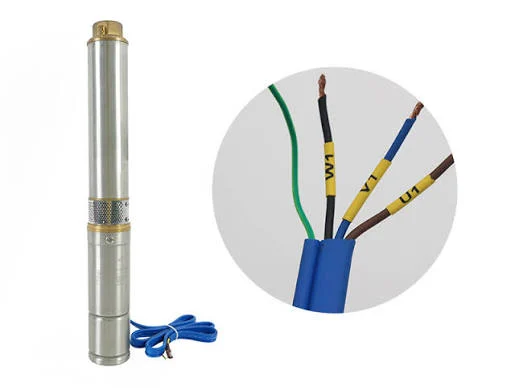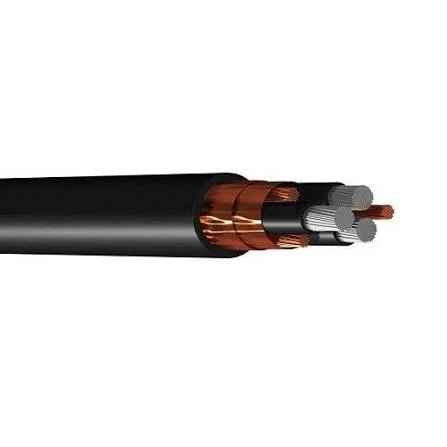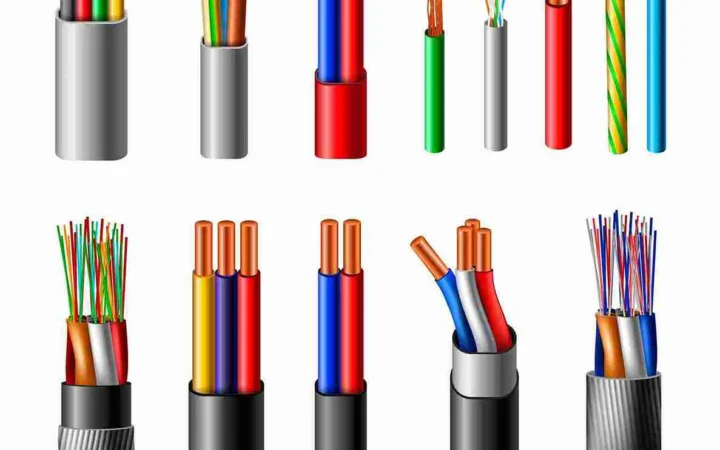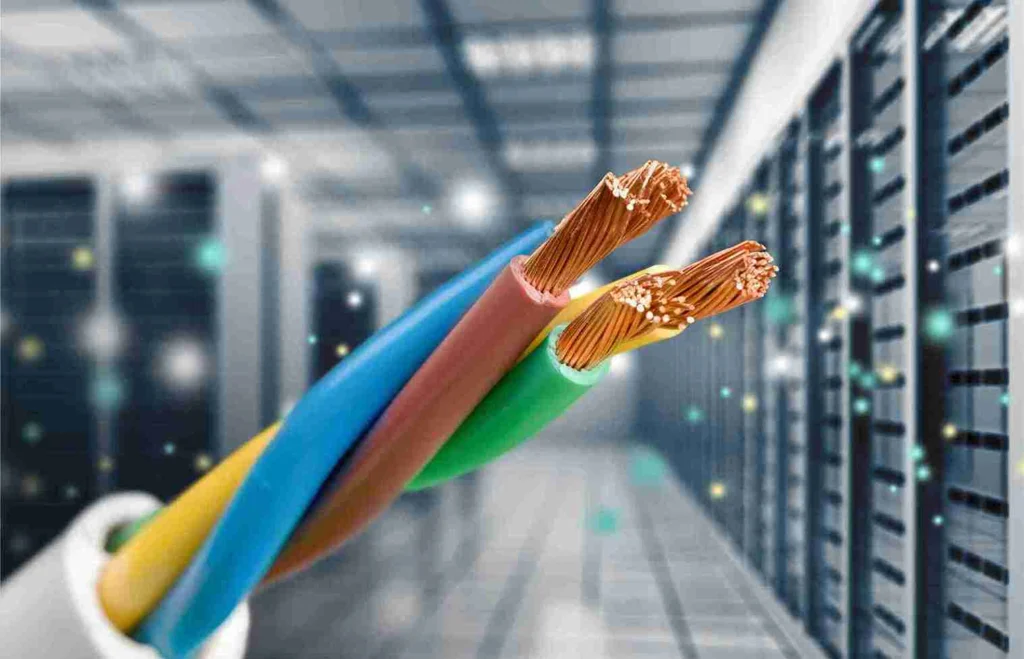
Modern equipment rarely needs just one kind of connection. A robotic arm, medical cart, or EV charger may need power, control signals, data, and sometimes fiber, all routed through tight and moving spaces. Running a separate cable for each function adds clutter, extra connectors, and more places to fail. An integrated cable solves this by combining several functions into one Engineered Cable or one finished assembly. This guide explains how an integrated cable is built, where it fits in the USA market, and how to specify one correctly.
In this article
- 01What Is an Integrated Cable?
- 02Key Benefits of an Integrated Cable
- 03What Goes Inside an Integrated Cable
- 04Design Challenges to Plan For
- 05Typical Applications
- 06How to Specify an Integrated Cable
- 07Testing and Quality Checks
- 08Integrated Cable vs. Separate Cables
- 09Frequently Asked Questions (FAQs)
- 10Conclusion
What Is an Integrated Cable?
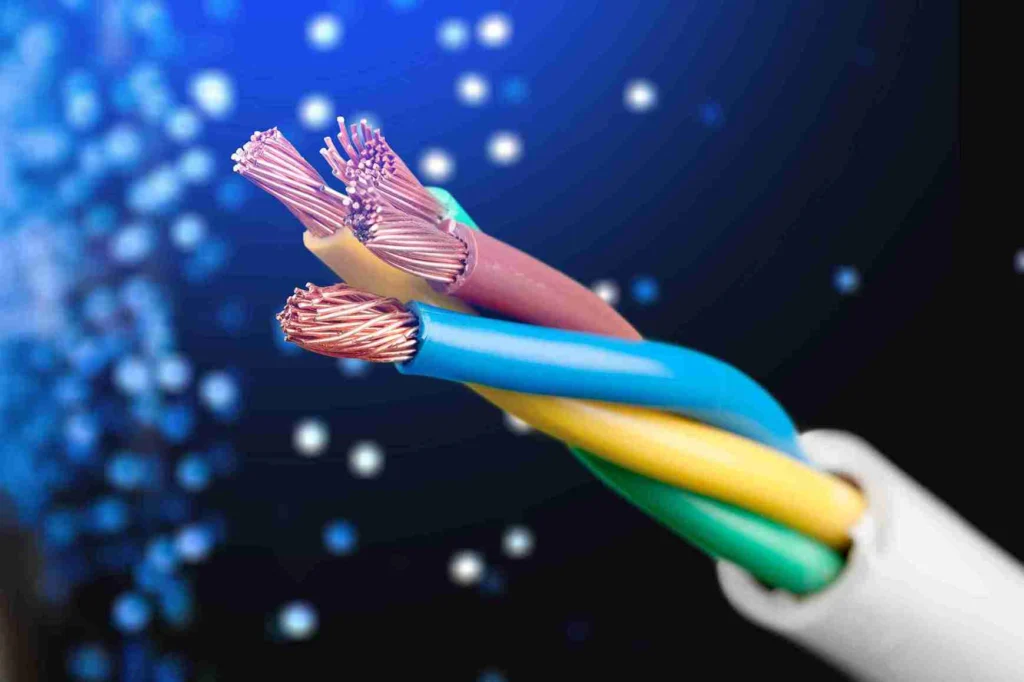
An integrated cable is a single cable construction that carries multiple functions, such as power, control, signal, data, and fiber, inside a shared outer jacket. Individual groups are usually separated and shielded so they do not interfere with each other. You may also hear the term hybrid cable for the same idea. In Manufacturing Practice, the phrase often extends to the complete assembly, where one cable arrives pre-terminated with every connector it needs, tested as one unit.
Key Benefits of an Integrated Cable
One run replaces several, which cuts installation time and reduces connection points that can loosen or corrode.
A single jacket is lighter and slimmer than separate cables, which matters in robotics, mobile equipment, and compact enclosures.
One cable is easier to dress, label, and protect with conduit, track, or drag-chain.
Fewer terminations mean fewer chances for intermittent faults during vibration or repeated movement.
Material cost per foot may be higher, but total cost often drops once labor, hardware, and troubleshooting are counted.
What Goes Inside an Integrated Cable
Every design starts with the functions the equipment needs. Typical building blocks include:
Sized by current and voltage drop, often using stranded copper for flexibility.
Twisted pairs help reduce noise on sensors and communication lines.
Ethernet-style pairs or fiber for network links. For data-ended runs, see our guide to Precision Patch Cables, and for dense fiber connectivity, our overview of MPO cables.
Foil or braid isolates sensitive circuits, while a drain wire provides a termination path. Our article on Ground Wire Systems explains why proper grounding matters.
Fillers keep the cable round, and the jacket protects against abrasion, oil, and weather. A common starting point is covered in our PVC Coated Wire guide.
Design Challenges to Plan For
Combining functions creates trade-offs that must be solved in the design stage rather than in the field.
Power lines can induce interference on low-level signals, so groups need shielding, twisting, and sensible separation.
Bundled power conductors warm each other, so current capacity must be reduced from single-wire ratings.
Moving applications need fine stranding, flexible jackets, and a minimum bend radius that the cable maker specifies, usually as a multiple of the outer diameter.
PVC suits general use, while polyurethane and TPE compounds handle oil, abrasion, and cold better.
Terminations are where most failures start, so the connector must match both the cable and the environment.
Typical Applications
Integrated cables are common wherever space, motion, and reliability matter:
Power, encoder feedback, and network signals in one moving cable.
Compact, cleanable Cables Linking carts, monitors, and instruments.
Consistent, repeatable connections for lab and production fixtures.
Power with communication and control conductors.
Vibration-tolerant harness-style runs.
How to Specify an Integrated Cable
Define voltages, currents, signal types, and data speeds before choosing a construction.
Decide which circuits need individual shields or twisted pairs.
Note maximum diameter, bend radius, flex cycles, and length.
Consider oil, chemicals, UV, temperature, and washdown needs when picking the jacket.
Select connectors, boots, and strain relief that suit the application and mating hardware.
Request UL or CSA compliance where needed, plus continuity and dielectric withstand testing on finished units.
Testing and Quality Checks
Because one cable carries several circuits, every path must be verified before it leaves the factory. Ask your supplier which of these checks are included:
Confirms each conductor connects to the right pin, and nothing is crossed.
Verifies insulation can handle voltage without breakdown.
Ensures shielding terminations are intact and properly connected.
Checks overmold, strain relief, labeling, and overall length against the drawing.
Integrated Cable vs. Separate Cables
An integrated cable is not always the best answer. Custom constructions can involve setup costs and minimum quantities, and a single damaged section may mean replacing the whole cable instead of one lead. Separate off-the-shelf cables remain practical for low volumes or frequently changing designs. For repeat builds, tight spaces, and moving equipment, integration usually pays off through easier installation, cleaner routing, and fewer failures over the life of the equipment.
Frequently Asked Questions (FAQs)
What is an integrated cable?
It is a cable that combines several functions, such as power, signal, data, or fiber, in one jacket or one pre-terminated assembly, replacing multiple separate cables.
Is an integrated cable the same as a hybrid cable?
The terms overlap. Hybrid cable usually describes the construction, while integrated cable can also describe a complete assembly with all connectors installed.
Can power and data share one cable safely?
Yes, when the design uses proper shielding, twisted pairs, and conductor separation to limit interference and heat buildup.
How do I choose the jacket material?
Match it to exposure and motion. PVC suits general use, while polyurethane or TPE is typically better for oil, abrasion, and repeated flexing.
Where can I get custom integrated cable assemblies in the USA?
You can work with a domestic manufacturer such as Auctus Electro to build terminated, tested assemblies from your print.
Conclusion
An integrated cable simplifies installation, saves space, and reduces failure points when the design is matched to the electrical, mechanical, and environmental demands of the job. Define your functions clearly, plan for noise and flex, choose terminations carefully, and insist on full testing. When you are ready to turn the specification into a finished, tested product, Auctus Electro can help you move from drawing to production.

Auctus Electro Assembly delivers a wide range of electrical solutions with fast turnaround times and reliable service. Wire harnesses, cable assemblies, box builds and electronics contract manufacturing from Rolling Meadows, IL.
Request a Quote