When wire must survive heat, chemicals, or tight spaces, ordinary insulation reaches its limits quickly. That is where FEP insulation earns its place. Fluorinated ethylene propylene is a high-performance fluoropolymer that protects conductors in aerospace, medical, industrial, and data applications. Engineers across the USA specify it when reliability matters more than raw material cost, often as part of Custom Wire Harness and Cable Assemblies. This guide explains what FEP is, how it compares with other materials, and what to consider before you specify it.
In this article
- 01What Is FEP Insulation?
- 02Key Properties of FEP Insulation
- 03FEP Insulation vs. Other Materials
- 04Common Applications of FEP Insulation
- 05Processing and Termination Considerations
- 06Testing and Quality Checks
- 07Limitations to Keep in Mind
- 08How to Specify FEP Insulated Wire
- 09FEP Insulated Cable Assemblies from Auctus Electro
- 10Frequently Asked Questions (FAQs)
- 11Conclusion
What Is FEP Insulation?
FEP stands for fluorinated ethylene propylene, a melt-processable fluoropolymer related to PTFE. Because it melts at extrusion temperatures, it can be applied over a conductor in long continuous lengths with thin, uniform walls. The result is a smooth, tough, chemically inert layer with excellent electrical properties that stay stable across a wide range of temperatures and environments. For a broader view of how insulation compounds compare, see our guide to Wire Insulation Materials.
Key Properties of FEP Insulation
FEP wire is commonly rated up to about 200°C continuously, well above standard PVC.
A value near 2.1 and a very low dissipation factor keep signal loss small at high frequencies.
FEP resists nearly all solvents, fuels, acids, and bases, which suits harsh process environments.
It absorbs virtually no water, so electrical performance stays stable in humid conditions.
FEP is inherently flame retardant and produces low smoke compared with many plastics.
It stays usable in deep cold, commonly down to about -65°C.
The slick surface helps wire slide through conduit and tight routes.
FEP Insulation vs. Other Materials
Every insulation material is a compromise, so the useful question is which trade-offs your application can accept.
Choosing insulation means balancing temperature, cost, and mechanical toughness. Standard PVC is economical but tops out at lower temperatures, as covered in our PVC Coated Wire guide. Among fluoropolymers, PVDF offers good abrasion resistance and is explored in our article on Kynar Wire. Compared with PTFE and PFA, FEP generally has a slightly lower maximum temperature but is easier to extrude in long lengths and thin walls. Compared with ETFE, FEP typically offers better electrical performance and flexibility but less cut-through resistance.
Common Applications of FEP Insulation
FEP insulated wire is used wherever failure is costly and the operating environment is demanding, from aircraft interiors to laboratory instruments:
Lightweight, flame-resistant wiring that tolerates temperature swings.
Biocompatible, chemically resistant insulation that withstands common sterilization methods.
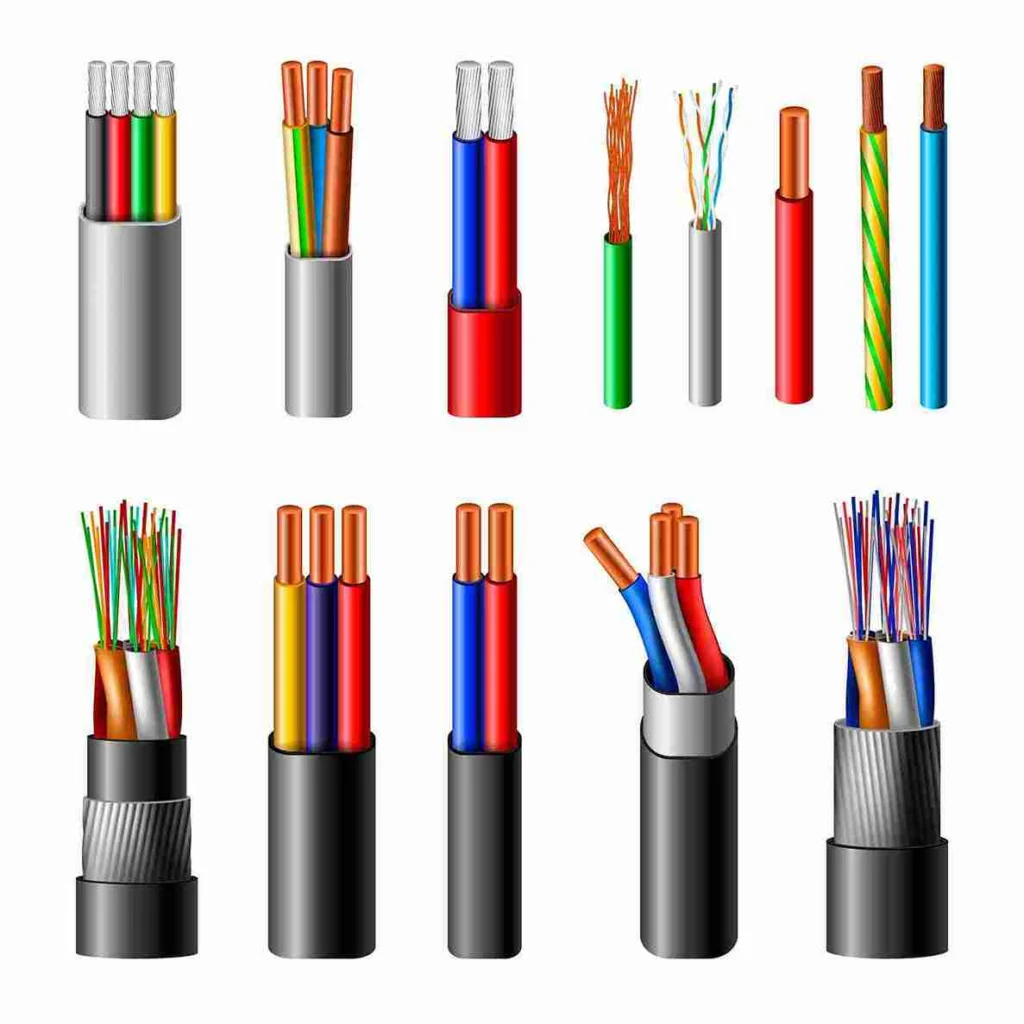
FEP is widely used in plenum-rated constructions, including patch cables installed in air-handling spaces.
Wire that must resist aggressive cleaning agents and process fluids.
Sensors and controls near ovens, engines, and downhole equipment.
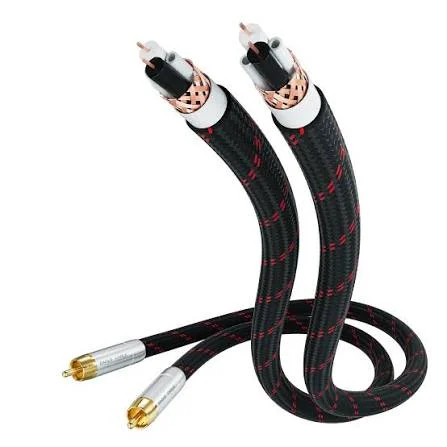
Low loss and stable impedance make FEP a strong dielectric choice, and the same advantage appeals to builders of a high-end audio cable.
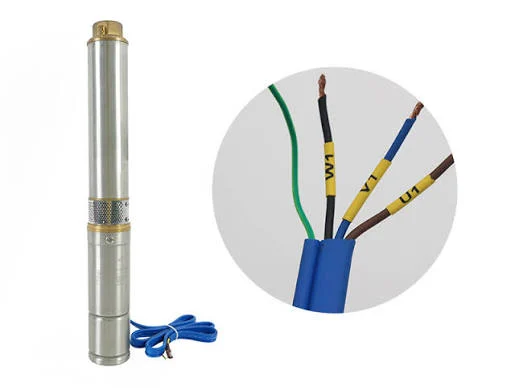
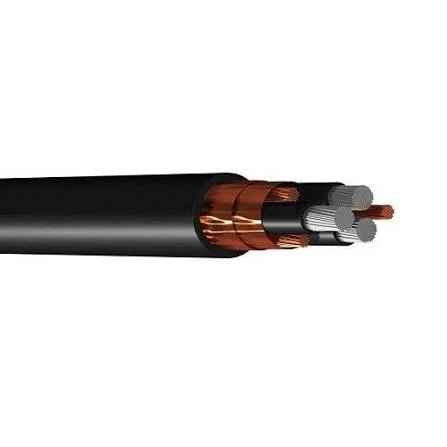
FEP also appears inside multi-function builds, such as an integrated cable that combines power and signal in a single jacket.
Processing and Termination Considerations
FEP behaves differently from PVC on the production floor. Its low surface energy makes it hard to bond with adhesives and hard to print on, so marking usually relies on hot stamping or laser methods. Stripping needs clean, controlled tools to avoid kicking the conductor. Connector choice, crimp quality, and strain relief should be planned with the insulation in mind, and early input from Engineering Support can prevent costly rework.
Testing and Quality Checks
Because FEP wire often goes into critical systems, ask your supplier how the finished product is verified:
Detects pinholes and thin spots in the insulation.
Confirms conductor size, wall thickness, and concentricity against the specification.
Verifies every conductor and the isolation between them on finished assemblies.
Lot numbers and certificates support audits in aerospace, medical, and industrial programs.
Limitations to Keep in Mind
FEP is not the right answer for every project. It costs more than PVC and many other polymers, it is softer than ETFE and so it is more prone to cut-through under sharp edges or high pressure, and it has a lower temperature limit than PTFE or PFA. It also needs specialized handling during processing. For simple, low-heat indoor wiring, a less expensive compound is usually better value, while demanding environments justify the premium.
How to Specify FEP Insulated Wire
Include both ambient and self-heating from current.
List every fluid, cleaner, or solvent the wire might meet.
Thin-wall FEP saves space but must still meet voltage and test requirements.
Pick the strand count and plating, such as silver-plated or nickel-plated copper for high heat.
Ask for UL, MIL, or other listings that your application requires.
Confirm how the wire will be stripped, crimped, and labeled.
FEP Insulated Cable Assemblies from Auctus Electro
Premium wire still needs to be cut, terminated, labeled, and tested before it can go into a product. Auctus Electro builds assemblies in Rolling Meadows, Illinois, and Quick Turn Cable Assembly makes it easier to validate a design before committing to production volume.
If the wiring is part of a larger unit, our Electromechanical Assemblies service combines cable, hardware, and enclosures. For hard-to-find specialty wire, supply chain and inventory management help keep materials moving, and our electronics contract manufacturing capability supports full products. Browse our Product Gallery or Request a Quote for your FEP project.
Frequently Asked Questions (FAQs)
What is FEP insulation?
FEP insulation is a fluorinated ethylene propylene coating applied over a conductor to provide heat, chemical, and moisture resistance along with excellent electrical performance.
What is the temperature rating of FEP wire?
FEP wire is commonly rated up to about 200°C continuously, though the exact rating depends on the wire construction and approval, so always check the datasheet.
What is the difference between FEP and PTFE insulation?
Both are fluoropolymers, but FEP is melted-processable, which allows long continuous extrusion and thin walls, while PTFE usually has a higher temperature limit.
Is FEP insulation flame retardant?
Yes. FEP is inherently flame retardant and is widely used in plenum-rate cables, though specific ratings depend on the finished cable construction.
Where can I get custom FEP insulated assemblies in the USA?
You can work with a domestic manufacturer such as Auctus Electro to build terminated, tested assemblies from your drawings.
Conclusion
FEP insulation delivers heat, chemical, and electrical performance that standard compounds cannot match, at a higher cost and with more careful processing. Define your temperature, chemical exposure, and voltage needs early, verify the finished wire with proper testing, and plan termination and marking from the start. When you are ready to turn a specification into a finished, tested assembly, Auctus Electro can help you move from drawing to production.

Auctus Electro Assembly delivers a wide range of electrical solutions with fast turnaround times and reliable service. Wire harnesses, cable assemblies, box builds and electronics contract manufacturing from Rolling Meadows, IL.
Request a Quote