Electrical wire usually fails where it meets its environment: moisture, abrasion, oil, heat, or sunlight. That is why PVC coated wire is one of the most widely specified conductors in the USA. A polyvinyl chloride (PVC) layer around the copper gives the conductor electrical insulation and a tough outer shield at a reasonable cost. Whether you are building control panels, machinery, appliances, or lighting, knowing how PVC coated wire is made, rated, and applied helps you avoid failures and rework. This guide covers the basics, the key specifications, and practical selection tips.
In this article
What Is PVC Coated Wire?
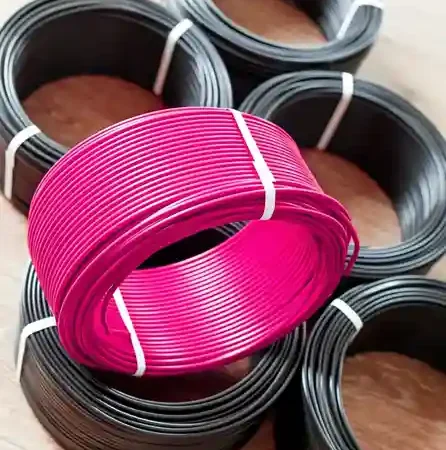
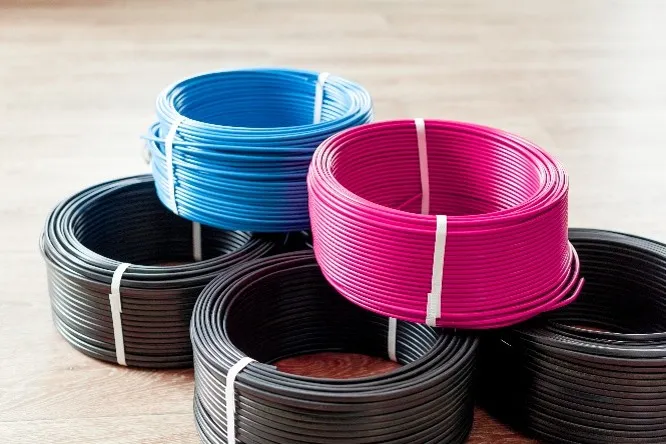
PVC coated wire is a metal conductor, usually bare or tin-plated copper, covered with a polyvinyl chloride compound that serves as both insulation and mechanical protection. It is sold as hookup wire, appliance wire, machine wiring, and jacketed multi-conductor cable. Because PVC is a thermoplastic, it is melted and extruded over the conductor in a continuous process, which keeps thickness consistent and cost low. To compare PVC with other compounds such as polyethylene or silicone, our guide to wire insulation materials covers the wider picture. This article stays focused on PVC and how to specify it.
Key Benefits of PVC Coated Wire
PVC remains popular because it balances performance, price, and ease of processing:
PVC has high dielectric strength, so a thin wall can safely isolate conductors at common control and power voltages.
Most compounds resist water, many oils, and common acids and alkalis, though results vary by formulation.
The chlorine content makes PVC naturally flame retardant, and many constructions self-extinguish when the flame source is removed.
PVC is generally more economical than fluoropolymers, silicone, or cross-linked compounds.
The compound accepts pigments well, so color coding for circuits is simple and durable.
Common Constructions of PVC Coated Wire
Hookup Wire Styles
Single-conductor hookup wire is the most common form. UL 1007 is a popular 300-volt, 80°C style for internal electronics wiring, while UL 1015 steps up to 600 volts and 105°C for power and control wiring inside equipment. Always confirm the exact style on the spool, since the same gauge can carry very different ratings.
Multi-Conductor and Jacketed PVC Cable
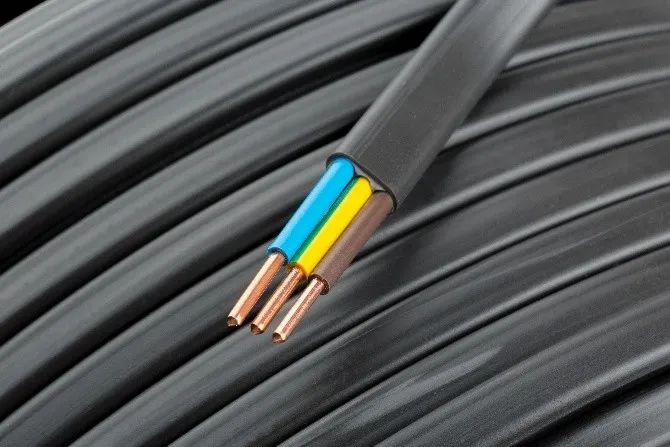
When several circuits must run together, individually insulated conductors are cabled and wrapped in an outer PVC jacket. This protects the bundle from abrasion and simplifies routing in machines, panels, and enclosures. Shielded versions add foil or braid to reduce electrical noise.
Stranded vs. Solid and Bare vs. Tinned Copper
Stranded conductors flex better and survive vibration, which suits moving equipment, while solid conductors work for fixed, low-movement wiring. Tin plating improves corrosion resistance and solderability, which helps in humid or coastal environments. For applications with constant bending, see our overview of flexible electrical wire.
Typical Applications
Thanks to its balance of cost and protection, PVC coated wire appears across many industries, especially where temperatures stay moderate and wiring is not exposed to harsh outdoor conditions:
Internal wiring for relays, sensors, and motor controls.
Internal power and signal connections where temperatures stay moderate.
Low-voltage and line-voltage wiring in fixtures and displays.
General-purpose primary wiring away from high-heat zones.
PVC insulated conductors are a standard building block in custom harness builds.
How to Choose the Right PVC Coated Wire
Select a wire rated above the maximum circuit voltage, with margin for spikes.
Match the compound to ambient and self-heating conditions, since standard PVC runs from about 80°C to 105°C depending on the style.
Choose gauge for current load and voltage drop. Our AWG selection guide explains the trade-offs.
Pick fine stranding for flex and tinned copper for corrosive conditions.
Check oil, UV, and moisture exposure. For underground runs, a purpose-built product such as direct burial wire is the safer choice.
Look for UL or CSA listing, RoHS and REACH conformity where required, and a flame rating such as VW-1 for equipment wiring.
Quality Checks Worth Requesting
Not all PVC coated wires perform alike, even at the same gauge. Ask your supplier for evidence that the product meets its stated rating:
Confirm strand count, copper purity, and plating thickness against the specification.
Wall thickness and concentricity affect both voltage withstand and flexibility.
These checks catch pinholes and weak spots in the coating before the wire ships.
Lot numbers and certificates make it far easier to resolve field issues later.
Limitations to Keep in Mind
PVC is not the answer for every job. It softens at high temperatures, can stiffen in extreme cold, and releases dense smoke and hydrogen chloride when it burns. In tightly enclosed public spaces, low-smoke zero-halogen compounds are often preferred. For continuous temperatures above 105°C, consider cross-linked or fluoropolymer insulation instead. Plan for these trade-offs early in the design stage.
PVC Coated Wire Assemblies from Auctus Electro
Buying wire is only half the job. Most projects need it cut, stripped, terminated, labeled, and routed into a finished product. Auctus Electro builds custom wire harness and cable assemblies using PVC coated wire to your drawings, from prototypes to production runs.
If your design goes beyond cabling, our electromechanical assemblies service combines wiring with enclosures, hardware, and sub-assemblies. Our engineering support team can review wire selection and termination details before you commit, and quick turn cable assembly helps when deadlines are tight. For steady production, supply chain and inventory management keep components available. Explore all our services or request a quote with your specifications.
Frequently Asked Questions (FAQs)
What is PVC coated wire used for?
It is used for internal equipment wiring, control panels, appliances, lighting, and harnesses where reliable insulation and moderate temperature resistance are needed at a low cost.
What is the temperature rating of PVC coated wire?
It depends on the compound and style. Common ratings range from about 80°C to 105°C, so always check the marking or datasheet.
Is PVC coated wire waterproof?
PVC resists moisture well, but it is not automatically rated for burial or submersion. Use cables specifically listed for wet or underground locations in those cases.
What is the difference between PVC coated wire and PVC insulated wire?
In practice the terms describe the same product: a conductor with a PVC layer. Specifications such as voltage, temperature, and UL style matter more than the name.
Where can I get custom PVC coated wire assemblies in the USA?
You can work with a domestic manufacturer such as Auctus Electro in Rolling Meadows, Illinois, to build cut-to-length, terminated assemblies from your print.
Conclusion
Choosing the right PVC coated wire comes down to matching voltage, temperature, gauge, and environment to the job, and confirming the UL style and compliance marks before you order. When you need that wire turned into a finished, tested assembly, Auctus Electro can help you move from specification to production with confidence, whether you need a single prototype or a repeat production order.

Auctus Electro Assembly delivers a wide range of electrical solutions with fast turnaround times and reliable service. Wire harnesses, cable assemblies, box builds and electronics contract manufacturing from Rolling Meadows, IL.
Request a Quote