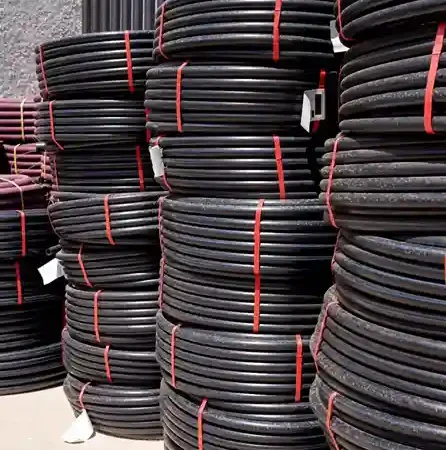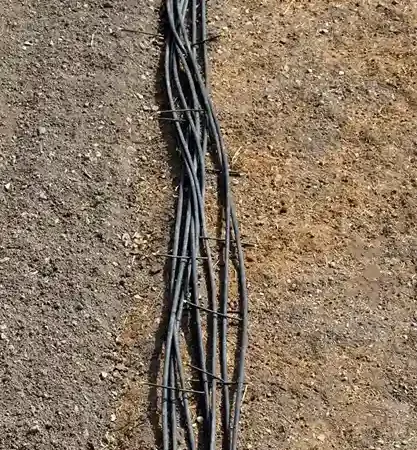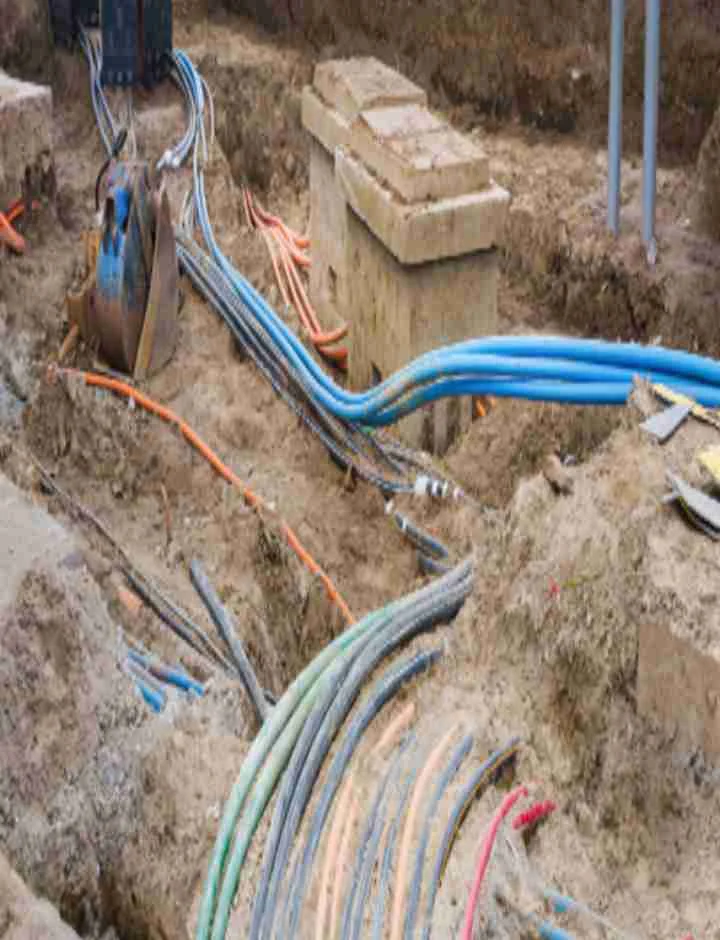
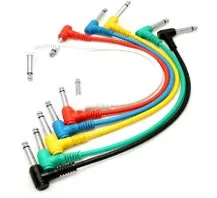
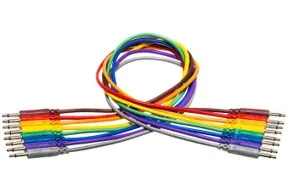
In modern commercial data networks, industrial Automation racks, and telecommunication facilities, signal integrity depends heavily on short-range interconnects. While main backbone cables handle long-distance data transmission, flexible patch cables connect patch panels, network switches, servers, and automated machinery. Substandard or damaged patch cords introduce unexpected packet loss, high latency, and electromagnetic crosstalk. Consequently, sourcing high-grade network interconnects has become a crucial requirement for IT managers and system integrators across the USA. High-conductivity copper and precision-polished fiber patch cords deliver low insertion loss, high bend flexibility, and stable data throughput. Therefore, integrating certified patch assemblies directly eliminates network downtime, protects server hardware, and ensures seamless gigabit data transfer.
In this article
Overcoming Signal Degradation in Dense Patch Panels
Routing dense bundles of low-grade network cords through crowded server racks causes severe electromagnetic interference (EMI) and signal crosstalk. Furthermore, rigid cable jackets make tight routing nearly impossible, placing mechanical stress on RJ45 jacks and fiber ports. However, deploying engineered patch cables resolves these installation bottlenecks completely through ultra-flexible jacketing and internal pair separators. Twisted pair shielding cancels out external electrical noise from adjacent power lines and high-speed switches. Consequently, your IT installation teams can easily deploy a reliable Structured Networking Cable Setup into high-density rack cabinets with total confidence.
Technical Features of High-Performance Patch Assemblies
Selecting the proper cable category, shielding geometry, and jacket material is vital for meeting strict IEEE networking standards. Understanding these technical options helps network engineers choose the optimal interconnect cords for specific operational environments.
Unshielded (UTP) vs. Shielded (STP/S/FTP) Ethernet Cables
First, matching shielding configurations to surrounding electrical noise levels directly impacts transmission speeds. Unshielded Twisted Pair (UTP) Cat6 cords offer cost-effective, high-flex performance for standard office environments. However, industrial facilities with heavy machinery or high-density server rooms require Shielded Foiled Twisted Pair (S/FTP) Cat6A or Cat8 cables. Individual foil wrapping around conductor pairs combined with an overall braided shield blocks severe alien crosstalk. Securing this level of networking hardware expertise is straightforward when collaborating with a specialized Copper and Fiber Cabling Provider.
Fiber Optic Patch Cords: Single-Mode vs. Multimode Duplex
Second, connecting high-speed fiber switches requires matching fiber glass cores and connector polishing types. Duplex LC, SC, and ST fiber patch cords feature laser-optimized OM3, OM4, or single-mode OS2 glass cores. Furthermore, precision ceramic ferrules ensure minimal insertion loss across high-bandwidth optical links. Pairing these optical assemblies with your Custom Network Interconnect Hardware guarantees uncompromised data throughput across enterprise switching fabrics.
Strict Quality Diagnostic Standards for Patch Cords
Verifying electrical continuity and bandwidth compliance is vital for preventing hidden network bottlenecks. Every factory-terminated patch lead undergoes rigorous laboratory testing before shipment.
Verifies return loss, NEXT (Near-End Crosstalk), and attenuation parameters against TIA/EIA-568-D standards.
Ensures zero open circuits, crossed wires, or split pairs inside RJ45 plugs.
Audits fiber ferrule end-face geometry, radius of curvature, and core alignment.
Tests snagless molded boot durability to ensure long service life during frequent panel re-patching.
Organizing High-Density Server Racks and Patch Panels
Building a scalable data center room requires organizing hundreds of network feeds cleanly into rack-mount patch panels. To streamline this installation process, network technicians connect pre-tested patch cords directly into a complete Data Center Rack Infrastructure. This organized cable management prevents port stress, optimizes cooling airflow, and simplifies ongoing network troubleshooting.
Full System Fabrication and Electronic Controls Integration
Modern hardware designs demand seamless coordination between network cabling, central processing electronics, and custom metal server enclosures. Contracting a single full-service Manufacturing partner simplifies vendor management and shortens lead times.
Interfacing Network Feeds with Primary Control Electronics
To maintain fast processing speeds, incoming network signals must interface cleanly with processing boards inside industrial machinery. Linking your network cabling pathways with high capacity Printed Circuit Board Assembly Services prevents impedance mismatches and power spikes. Consequently, your embedded logic boards process data smoothly without experiencing network drops. This manufacturing integration guards your primary processing modules against signal degradation.
Heavy-Duty Structural Cabinets and Sheet Metal Fabrication
Finally, your network patch panels, active switches, and delicate fiber leads require heavy-duty physical enclosure to block dust and manage heat. Full-service contract partners combine their cabling capabilities with comprehensive Industrial Network Engineering Support. This end-to-end capability allows you to source custom patch cables, pre-wired patch panels, and NEMA-rated server cabinets from a single trusted domestic partner like Auctus Electro.
Frequently Asked Questions (FAQs)
What is the main difference between Cat6, Cat6A, and Cat8 patch cables?
Cat6 supports up to 1 Gbps (and 10 Gbps up to 55 meters) at 250 MHz. Cat6A supports 10 Gbps up to 100 meters at 500 MHz with better shielding against crosstalk. Cat8 supports 25 Gbps to 40 Gbps over shorter distances (up to 30 meters) at 2000 MHz for data center switch-to-server links.
Why are stranded conductors used in patch cables instead of solid conductors?
Patch cables use stranded copper conductors because they are far more flexible and resistant to fatigue from repeated bending. Solid conductor cables are rigid and reserved for permanent, long-distance wall and ceiling runs.
What is a snagless boot on an RJ45 patch cable?
A snagless boot is a molded protective cover over the locking latch of an RJ45 plug. It prevents the plastic latch from snagging on adjacent wires or snapping off when pulling cables through crowded patch panels.
What is the difference between UTP and S/FTP shielding in Ethernet patch cords?
UTP (Unshielded Twisted Pair) has no metallic shielding and is used for standard low-EMI environments. S/FTP (Shielded Foiled Twisted Pair) features individual foil shields around each twisted pair plus an overall braided shield, offering maximum protection against EMI and crosstalk.
Where can I source certified custom patch cables and network assemblies in the USA?
You can partner with established domestic contract manufacturers like Auctus Electro to submit your technical specifications and receive a comprehensive manufacturing quotation.
Conclusion
In conclusion, upgrading your communication infrastructure with high-performance patch cables is an essential investment in network speed, signal reliability, and clean cabinet organization. By prioritizing stranded copper conductors, proper EMI shielding, snag less strain-relief boots, and Fluke channel certification, you eliminate data bottlenecks and packet loss. A full-service partner like Auctus Electro delivers the advanced cabling capabilities, custom harness assembly expertise, and integrated contract manufacturing support needed to keep your network running smoothly. Choose an engineered interconnect solution that drives your network performance forward with speed, safety, and reliability.

Auctus Electro Assembly delivers a wide range of electrical solutions with fast turnaround times and reliable service. Wire harnesses, cable assemblies, box builds and electronics contract manufacturing from Rolling Meadows, IL.
Request a Quote