Submersible Pump Cable spends its entire working life underwater, and the cable feeding is the only link between the motor and the surface. If that cable fails, the pump stops and pulling the well can cost thousands of dollars. That is why submersible pump cables are built differently from ordinary wire, and why pump makers and installers across the USA are careful when specifying it, often through Custom Wire Harness and Cable Assemblies built to exact lengths.
In this article
- 01What Is Submersible Pump Cable?
- 02Why Standard Wire Does Not Work Underwater
- 03How Submersible Pump Cable Is Built
- 04How to Size Submersible Pump Cable
- 05Standards and Approvals
- 06Installation Best Practices
- 07Common Applications
- 08How to Select the Right Cable
- 09Limitations and Common Failures
- 10Testing and Quality Checks
- 11Frequently Asked Questions (FAQs)
- 12Conclusion
What Is Submersible Pump Cable?
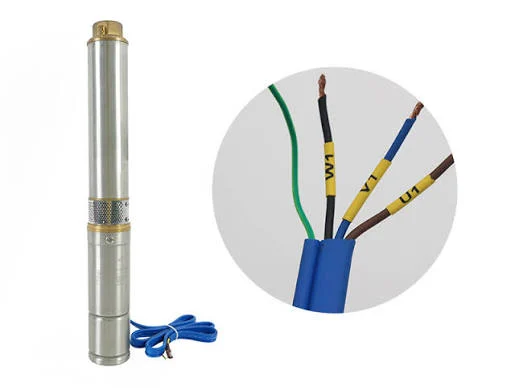
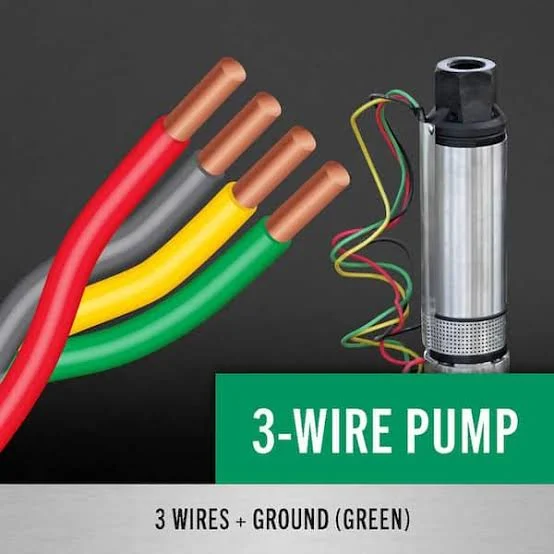
Submersible pump cable is a water-resistant power cable designed for continuous immersion in wells, tanks, and sumps. It usually carries power to a three-wire or three-phase motor and includes a ground conductor. Unlike general building wire, it uses insulation and jackets that resist water absorption, abrasion, and chemicals, a topic our guide to wire insulation materials covers in more depth, and an Engineering Support review helps match the construction to the well conditions.
Why Standard Wire Does Not Work Underwater
Ordinary wire is made for dry or damp locations, not permanent submersion. Water slowly penetrates weak insulation, and the results are costly. Pump OEMs that need prototype motor leads can speed up testing with Quick Turn cable Assembly. Common problems with the wrong cable include:
Absorbed water lowers insulation resistance and leads to ground faults.
Rubbing against the well casing wears through thin jackets.
Moisture reaching the copper causes green, brittle conductors and high resistance.
Undersized conductors waste power as heat and shorten motor life.
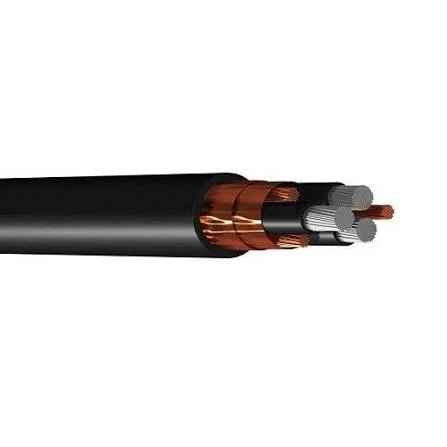
How Submersible Pump Cable Is Built
Conductors
Most cables use stranded copper for flexibility during installation, with sizes set by pump horsepower, voltage, and cable length. The motor lead is often part of larger Electromechanical Assemblies that include the connector and motor housing.
Insulation and Jacket
Insulation may be PVC, cross-linked polyethylene, or rubber compounds, often with an outer jacket that adds abrasion and water protection. Our PVC coated wire guide explains how PVC performs, and a partner offering Electronics Contract Manufacturing can build the full pump electronics around the cable.
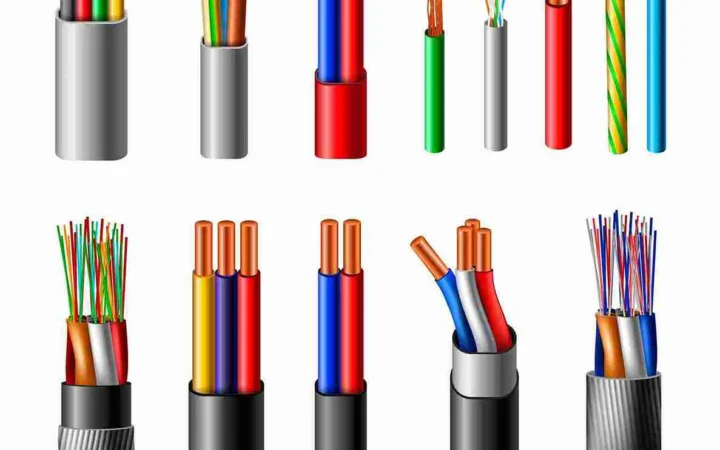
Flat vs. Round Cable
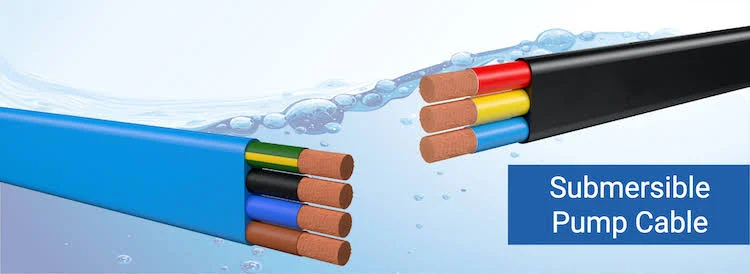
Flat cable fits tight well casings where clearance beside the drop pipe is limited, while round cable is easier to seal and splice. Both are available in two-wire and three-wire versions with ground. You can see sample builds in our Product Gallery.
How to Size Submersible Pump Cable
Correct sizing keeps the pump from running hot and starving for voltage. Pump makers generally recommend limiting voltage drop to about 5 percent, so longer drops need heavier conductors. For example, the same pump on a 400-foot drop needs a much larger conductor than on a 100-foot drop, because resistance grows with length. Use the pump’s horsepower, voltage, and the depth to the pump to select gauge from the manufacturer’s chart and rely on custom Cable Assemblies when you need an exact length without extra splices.
Standards and Approvals
Look for cable marked as suitable for submersible pump use, with a voltage rating such as 600 volts and UL or equivalent listing. Where a well supplies drinking water, choose jacket compounds approved for potable water contact. Steady sourcing of approved compounds depends on good Supply Chain and Inventory Management.
Installation Best Practices
Support the cable along the drop pipe with clamps or tape at regular intervals and avoid sharp bends and pinching at the well seal. The run from the wellhead to the control panel is usually buried, so our direct burial wire guide covers that section, and Electromechanical Assemblies can include the glands and connectors at the wellhead.
Splices are the most common failure point, so use waterproof, heat-shrink or resin splice kits made for submersible use. Test insulation resistance with a megohmmeter before and after installation and ask Engineering Support to review splice and termination details when the application is critical.
Many pumps now run on drives for soft starts and energy savings. In that case, use a properly shielded VFD cable for the surface run, and plan for prototypes with Quick Turn Cable assembly if the setup is new.
Common Applications
Submersible pump cable is used wherever pumps work underwater, and you can browse related builds through Our Services. Typical uses include:
Domestic water supply and livestock watering.
Deep wells for crop watering.
Well fields, lift stations, and treatment plants.
Pumping out pits, tunnels, and construction sites.
How to Select the Right Cable
Start with the pump data plate and the well report, then gather the details below before you Request a Quote so the cable can be matched to your depth, power supply, and water conditions:
Match the cable to a single-phase or three-phase pump.
Choose gauge for current and acceptable voltage drop.
Pick flat or round based on well clearance.
Select for abrasion, chemicals, and potable-water needs.
Include depth, drop to the pump, and run to the panel.
Specify waterproof splice kits or a continuous custom length.
Limitations and Common Failures
No cable lasts forever. Heat, constant flexing, chemical exposure, and lightning surges all shorten life, and a cable that looks fine may still have low insulation resistance. Keeping a stock of critical lengths through Supply Chain and Inventory Management reduces downtime when a replacement is needed, and a regular inspection schedule can catch aging insulation before the pump fails.
Testing and Quality Checks
Finished assemblies should be checked for continuity, insulation resistance, and ground connection before shipping. Consistent builds from a partner offering Electronics Contract Manufacturing help keep results repeatable across production runs.
Frequently Asked Questions (FAQs)
What is submersible pump cable?
It is a water-resistant power cable designed for continuous immersion, used to connect a submersible pump motor to the control box or panel.
Can I use regular wire for a submersible pump?
No. Standard building wire is not rated for continuous submersion, and water will degrade the insulation over time.
How do I size submersible pump cable?
Use the pump manufacturer’s chart based on horsepower, voltage, and cable length, and keep voltage drop low, generally under about 5 percent.
Is it safe to splice submersible pump cable?
Yes, when you use splice kits made for submersible use and test the insulation afterward. For critical jobs, Engineering Support can review the splice design.
Where can I get custom submersible pump cable assemblies in the USA?
You can work with a domestic manufacturer such as Auctus Electro to build terminated, tested assemblies, and you can Request a Quote with your pump and depth details.
Conclusion
The right submersible pump cable protects your pump, your budget, and your water supply. Match voltage, gauge, jacket, and length to the well, install it carefully, and test it before the pump goes live. When you are ready to turn a specification into a finished assembly, Auctus Electro and its custom cable assemblies can help you move from drawing to production.

Auctus Electro Assembly delivers a wide range of electrical solutions with fast turnaround times and reliable service. Wire harnesses, cable assemblies, box builds and electronics contract manufacturing from Rolling Meadows, IL.
Request a Quote