Standard copper cable struggles when a project needs long data runs, high bandwidth, and remote power at the same time. Ethernet over copper is limited to about 100 meters, and long power and signals runs pick up noise from motors, drives, and radio equipment. Hybrid cables answer this by placing optical fibers and copper conductors under one jacket, so a single pull delivers both light and electricity. This guide explains how hybrid cables are built, where they are used across the USA, and what to check before you order.
In this article
- 01What Are Hybrid Cables?
- 02Why Choose Hybrid Cables?
- 03How Hybrid Cables Are Built
- 04Common Applications for Hybrid Cables
- 05Types of Hybrid Cables
- 06Key Selection Factors
- 07Challenges and Limitations
- 08Testing and Quality Checks
- 09Hybrid Cable Assemblies from Auctus Electro
- 10Frequently Asked Questions (FAQs)
- 11Conclusion
What Are Hybrid Cables?
Hybrid cables are composite cables that carry two different kinds of media in one construction. Typically, optical fibers move high-speed data, while copper conductors deliver power or low-speed control signals. This differs from an all-copper multi-conductor cable because fiber is immune to electromagnetic interference and can carry data over far greater distances. If you compare broader multi-function constructions, our Integrated Cable Guide covers that wider topic, while this article focuses on the fiber-plus-copper combination.
Why Choose Hybrid Cables?
Fiber carries signals for hundreds of meters or more without the loss and distance limits of copper.
Optical signals are unaffected by electrical noise, which helps beside motors, inverters, and high-voltage lines.
Installing a single cable cuts labor, conduct space, and the number of separate Cable Runs.
Fiber delivers far more bandwidth per diameter than copper, which suits crowded pathways and mobile equipment.
Spare fibers can be included now and activated later without re-pulling cable.
How Hybrid Cables Are Built
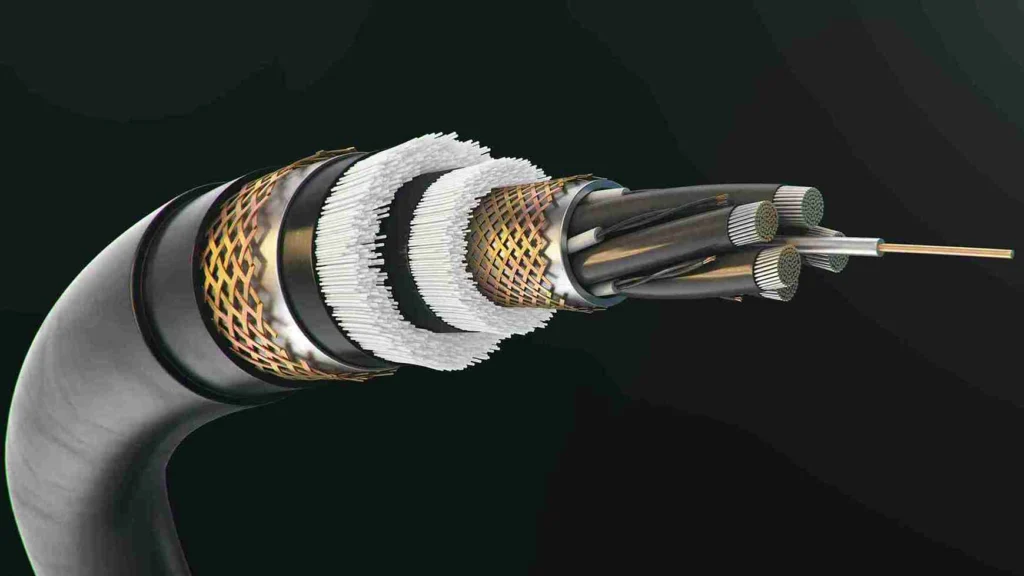
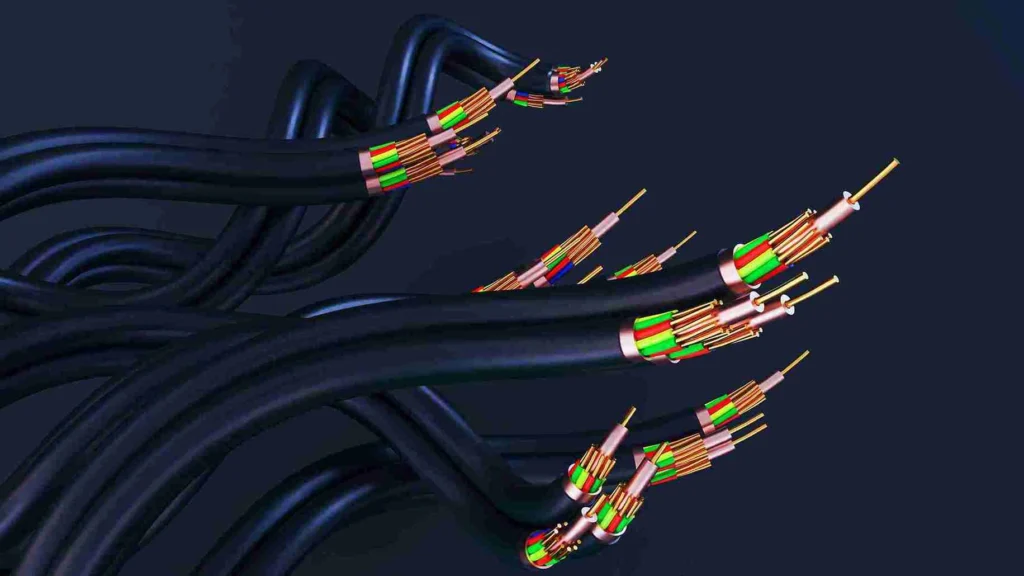
The Fiber Elements
Fibers may be single mode for long distance or multimode for shorter links. They are protected by tight buffers or lose tubes, and aramid yarn adds tensile strength, so the glass is not stretched during installation. For high-density termination, see our guide to MPO cables.
The Copper Elements
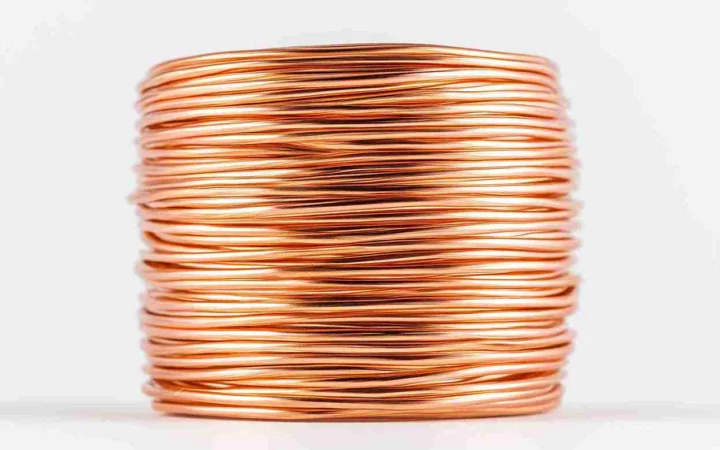
Copper conductors are sized for the power load and voltage drop of the run. Some designs add twisted pairs for control signals and a drain wire for shielding, and the grounding approach is explained in our article on Ground Wire Systems.
Jackets, Armor, and Fillers
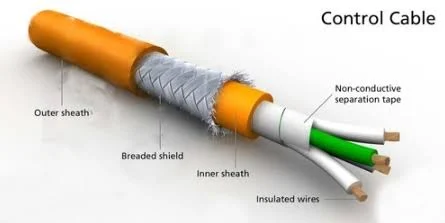
Fillers keep the cable round and balanced. The outer jacket depends on the environment: PVC for general use (see our PVC coated wire guide), low-smoking zero-halogen for enclosed spaces, polyurethane for oil and abrasion, and polyethylene for outdoor runs. Steel or aluminum armor adds crush and rodent protection for direct outdoor routing.
Common Applications for Hybrid Cables
Hybrid cables appear wherever data distance, noise, and installation effort all matter at once:
Fiber carries data to remote radio equipment while copper delivers DC power over the same cable.
Cameras placed beyond Ethernet distance limits get power and high-resolution video through one run.
Camera cables carry video over fiber with copper for power and intercom.
Fiber links stay clean beside drives and welders, while copper powers sensors and actuators.
Drones, inspection robots, and remotely operated vehicles need lightweight power and data in one tether.
High-bandwidth data and power between carts, scanners, and displays.
Types of Hybrid Cables
Hybrid cables are usually grouped by what they carry and where they are installed:
Fibers for data with heavier copper conductors for DC or low-voltage AC power.
Fibers combined with small copper pairs for sensors, intercom, or control lines.
Indoor versions focus on flame rating and flexibility, while outdoor versions add moisture blocking, UV resistance, and armor.
Key Selection Factors
Decide single-mode or multimode and add spare fibers for growth.
Calculate current, voltage, and acceptable voltage drop to set copper size.
Long runs favor fiber for data but raise copper voltage drop, which may require larger conductors.
Check pulling tension, crush resistance, bend radius, and whether the cable will flex or stay fixed.
Match the jacket and armor to temperature, moisture, UV, chemicals, and rodent risk.
Choose fiber and Power Connectors that suit the equipment and are easy to keep clean.
Confirm flame ratings, UL or CSA listings, and NEC and local code requirements for the installation.
Challenges and Limitations
Hybrid cables do cost more per foot than copper alone, and fiber needs care. Glass is more sensitive to tight bends and crushing, and fiber connectors must be kept clean because dust on an end face degrades the signal. Splicing and repair need specialized tools and training, and because both media share a jacket, one severe damage event can interrupt power and data together. A design review up front prevents most of these problems.
Testing and Quality Checks
Because both copper and fiber live in one cable, each must be verified on the finished product:
Insertion loss and continuity check on every fiber.
Continuity and dielectric withstand tests on the copper conductors.
End-faced cleanliness and fit checked before shipment.
Clear fiber and conductor identification speeds installation and later troubleshooting.
Hybrid Cable Assemblies from Auctus Electro
Auctus Electro builds custom Wire Harness and Cable Assemblies in Rolling Meadows, Illinois, delivered cut, terminated, labeled, and tested to your drawings. If your hybrid cable connects into a larger system, our Electromechanical Assemblies service can add enclosures, hardware, and sub-assemblies around it.
Frequently Asked Questions (FAQs)
What are hybrid cables?
Hybrid cables combine optical fibers and copper conductors in one jacket, delivering high-speed data and power through a single run.
What is the difference between hybrid cables and regular multi-conductor cables?
Multi-conductor cable is all copper. Hybrid cables add fiber, which gives longer data distance and immunity to electrical noise.
Can hybrid cables carry power and data at the same time?
Yes. Copper conductors carry power or control signals while the fibers carry data, and fiber is unaffected by the electrical current beside it.
How far can a hybrid cable run?
Fiber can carry data for hundreds of meters or farther. The practical limit for power is usually copper voltage drop, so conductors must be sized for the distance.
Where can I get custom hybrid cable assemblies in the USA?
You can work with a domestic manufacturer such as Auctus Electro to build terminated, tested assemblies from your drawings.
Conclusion
Hybrid cables simplify installations that need long-distance data and remote power together, while keeping signals clean in noisy environments. Choose fiber type, copper size, jacket, and connectors for the real condition, and verify both media before installation. When you are ready to turn the design into a finished, tested assembly, Auctus Electro can help you move from specification to production.

Auctus Electro Assembly delivers a wide range of electrical solutions with fast turnaround times and reliable service. Wire harnesses, cable assemblies, box builds and electronics contract manufacturing from Rolling Meadows, IL.
Request a Quote