A great audio system is only as good as the connections between its components. Even the best amplifier, DAC, and speakers can be limited by poor wiring, noisy shielding, or a loose connector. That is why a high-end audio cable is built with tighter tolerances than ordinary consumer cable, whether it is sold off the shelf or produced as part of Custom Cable Assemblies for an audio brand. This guide explains what separates premium audio cable from basic cable, and how buyers and OEMs in the USA can choose with confidence.
In this article
- 01What Is a High-End Audio Cable?
- 02Core Design Elements That Affect Performance
- 03Speaker, Interconnect, and Digital Cable Types
- 04Connectors and Terminations
- 05Build Quality and Testing
- 06Custom and OEM High End Audio Cable Assemblies
- 07Installation and Code Considerations in the USA
- 08Common Mistakes to Avoid
- 09How to Choose a High-End Audio Cable
- 10Frequently Asked Questions (FAQs)
- 11Conclusion
What Is a High-End Audio Cable?
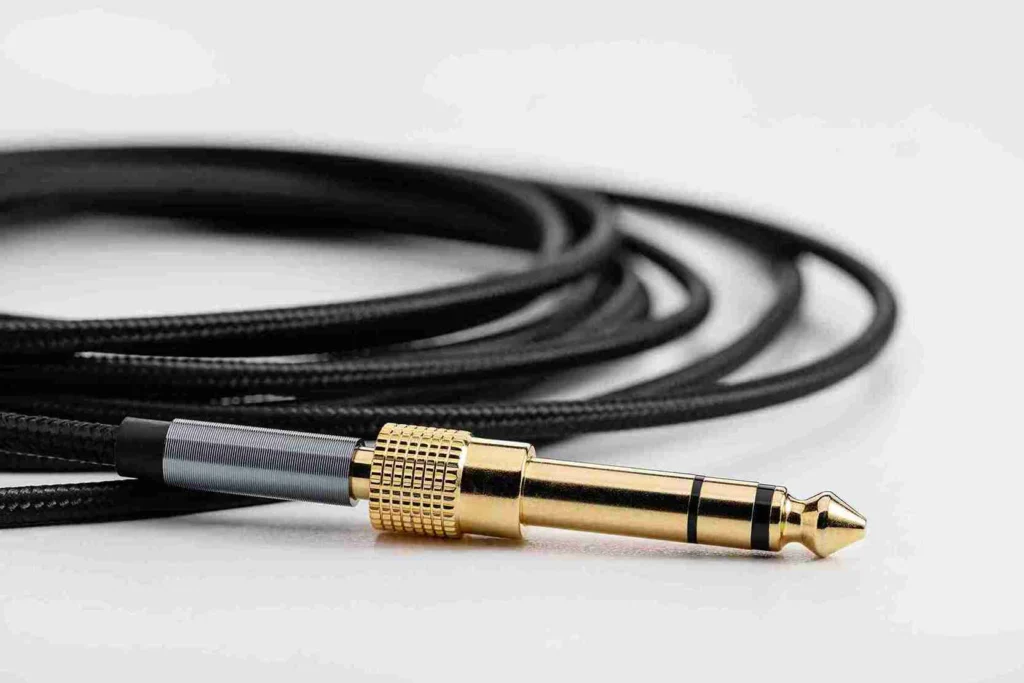
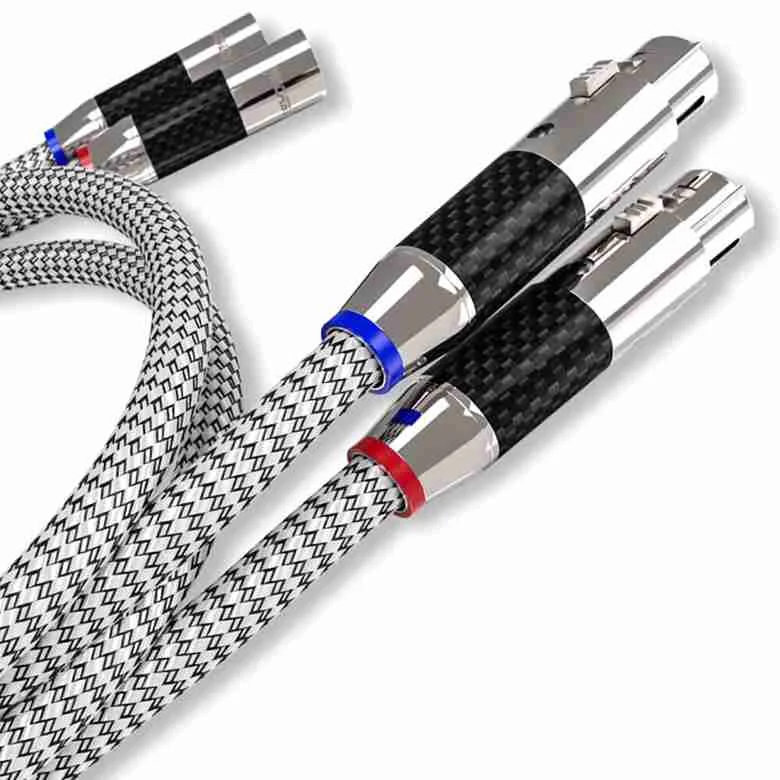
A high-end audio cable is a cable engineered to move a signal between audio components with minimal loss, distortion, or interference. It is made with carefully chosen conductors, insulation, shielding, and connectors, and it is assembled to consistent quality standards. The category includes speaker cable, analog and digital interconnects, and power or network cables used in a high-fidelity system. For the engineering fundamentals behind signal paths, our Interconnect Cable Guide is a useful companion.
Core Design Elements That Affect Performance
Conductor Material and Construction
Most premium cables use high-purity copper such as oxygen-free copper (OFC), and some use silver or silver-plated copper. Conductor size, strand count, and geometry determine resistance, which matters most on long speaker runs. Opinions differ on how audible conductor metallurgy is, but resistance, capacitance, and inductance are measurable and should be specified clearly.
Dielectric and Insulation
Insulation surrounds each conductor and affects capacitance and signal loss. Low-loss materials such as foamed polyethylene and PTFE are common in better designs, while general-purpose jackets rely on flexible compounds. For a basic look at jacket compounds, see our PVC Coated Wire guide.
Shielding and Geometry
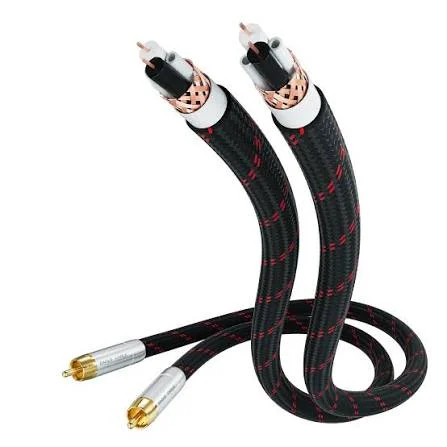
Shielding keeps radio and electrical noise out of low-level signals. Balanced XLR cables use twisted pairs to cancel common-mode noise, while unbalanced RCA cables rely on coaxial shielding. A well-terminated shield also needs a clean path to ground, which our article on Ground Wire explains in more detail.
Speaker, Interconnect, and Digital Cable Types
Carries amplified power, so low resistance and secure terminations matter most. Longer runs and lower-impedance speakers call for heavier gauge.
Carry low-level signals between source, preamp, and amplifier, where shielding is critical.
S/PDIF coax uses 75-ohm impedance, AES/EBU uses 110-ohm balanced cable, and USB and optical links have their own requirements.
Streaming systems depend on well-built Ethernet, and our Patch Cables article covers shielding and termination quality.
Optical links such as slinking avoid electrical noise entirely, and projects that need fiber and copper in one run can look at hybrid cables.
Connectors and Terminations
Connectors are where many audio cables fail. Gold plating resists corrosion at the contact surface, solid solder or precision crimp joints keep resistance low, and good strain relief protects the cable from repeated plugging. When connectors are mounted on chassis, panels, or enclosures, Electromechanical Assemblies help keep the mechanical fit and wiring consistent.
Build Quality and Testing
Consistency is what separates a premium cable from an expensive one, because small assembly errors are easy to miss by ear. Each finished cable should be checked for:
Confirms every conductor reaches the right pin, with no shorts.
Verifies the shield is connected where intended and isolated where required.
Matched left and right speaker cables help keep channels balanced.
Checks solder joints, strain relief, labeling, and length.
Early involvement from Engineering Support helps catch connector, shielding, and routing issues before production begins.
Custom and OEM High End Audio Cable Assemblies
Audio brands, studios, and system integrators often need cables made to exact lengths, connector combinations, or branding. Quick Turn Cable Assembly is useful for prototypes and listening tests, while Supply Chain and Inventory Management helps keep connectors and cable stock available for repeat orders. When the cable is part of a complete product such as an amplifier or streamer, Electronics Contract Manufacturing can build the wiring and the unit together.
Installation and Code Considerations in the USA
Good placement protects good cable. Keep signal cables away from power cords, cross them at right angles when needed, avoid tight bends, and support heavy cables so connectors are not stressed. For speaker wire run inside walls, choose cable with a CL2 or CL3 rating under the NEC, and check local code before you install. Our direct burial wire guide also covers outdoor routes if speakers are placed outside.
Common Mistakes to Avoid
Ask for conductor size, capacitance, and shielding details, not just brand claims.
Excess length adds resistance in speaker runs and pickup of noise in interconnects.
Parallel runs beside power cords invite hum.
A premium cable with a poor connector or cold solder joint will still fail.
Bent or pulled connectors are a leading cause of intermittent faults.
How to Choose a High-End Audio Cable
Speaker, analog, digital, and network links each have different requirements.
Look for conductor size, capacitance, shielding type, and impedance where it applies.
Keep interconnects short and speaker runs equal for both channels.
Look for solid connectors, clean joints, and strain relief.
Spend where it counts most, such as speaker cable on long runs or shielded interconnects near noisy equipment.
Unusual lengths or connector combinations are often better served by a made-to-order assembly.
You can browse examples in our Product Gallery or Request a Quote for a specific build.
Frequently Asked Questions (FAQs)
What makes a cable high end?
Better conductors, low-loss insulation, effective shielding, quality connectors, and consistent assembly and testing set premium audio cable apart.
Does a high-end audio cable really change the sound?
Measurable properties such as resistance, shielding, and connector quality can affect performance, especially on long runs or noisy setups. Differences from exotic materials are debated, so judge by specifications and your own listening.
What gauge should speaker cable be?
It depends on length and speaker impedance. Longer runs and lower-impedance speakers need a heavier gauge to keep resistance low.
Is in-wall speaker cable different?
Yes. In-wall runs generally need cables with a CL2 or CL3 rating under the NEC, so confirm the requirement with local code.
Where can I get custom audio cable assemblies in the USA?
You can work with a domestic manufacturer such as Auctus Electro to build terminated, tested assemblies to your drawings.
Conclusion
A high-end audio cable earns its place through sound engineering: the right conductors, insulation, shielding, connectors, and consistent testing. Whether you are upgrading a home system or developing a product line, specify what can be measured, match the cable to the application, and treat terminations as seriously as the wire. When you need a custom audio assembly built to your design, Auctus Electro can take you from specification to production.

Auctus Electro Assembly delivers a wide range of electrical solutions with fast turnaround times and reliable service. Wire harnesses, cable assemblies, box builds and electronics contract manufacturing from Rolling Meadows, IL.
Request a Quote