- 3876 Industrial Ave, Rolling Meadows, IL 60008
- Info@auctuselectro.com

- 3876 Industrial Ave, Rolling Meadows, IL 60008
- Info@auctuselectro.com
Wire Insulation
- Home
- Wire Insulation
Safeguarding Electrical Networks with Advanced Wire Insulation
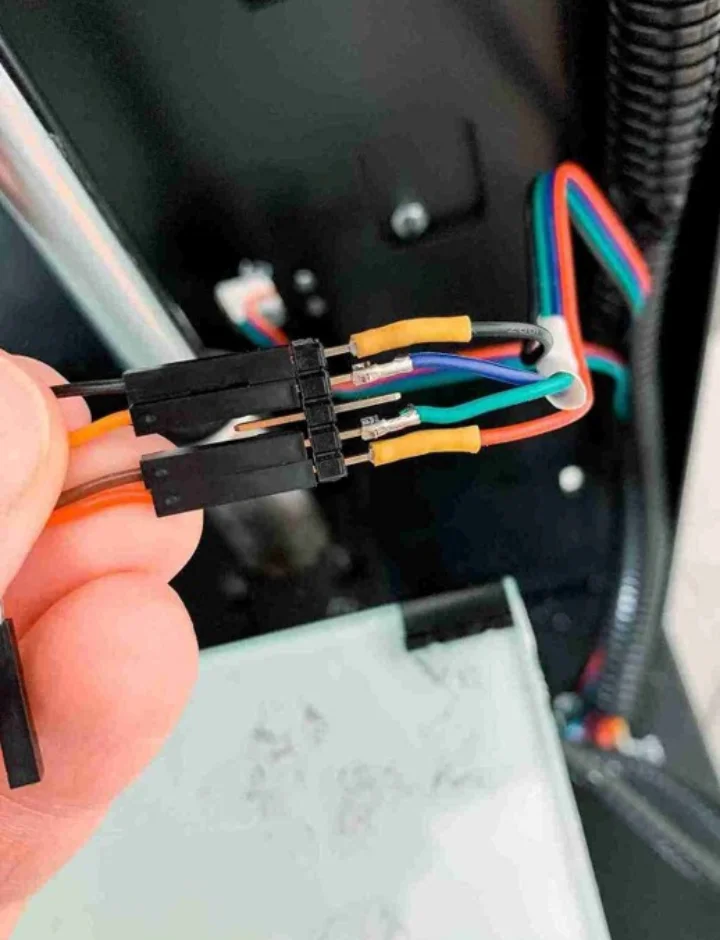
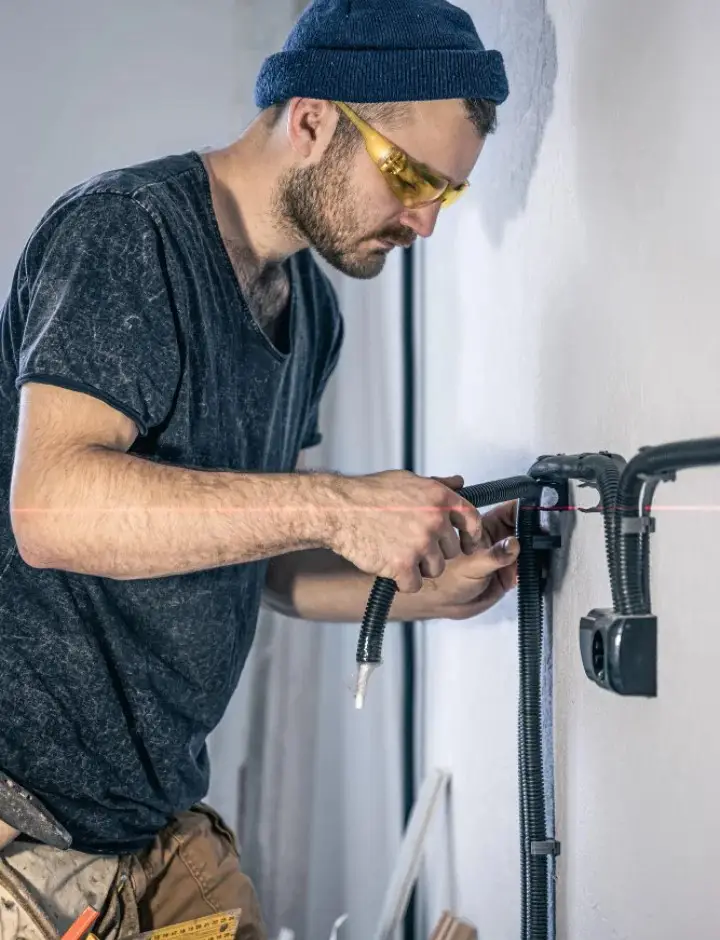
In modern power grids, automotive Wiring Harnesses, and high-density industrial electronics, electrical safety depends on physical protection. High voltages, extreme thermal loads, and corrosive chemicals constantly threaten exposed electrical conductors. Consequently, selecting the correct wire insulation material is a critical engineering requirement for system designers throughout the USA. High-performance dielectric jackets encapsulate conductive copper strands to prevent current leakage and ground faults. Therefore, applying proper protective insulation directly prevents electrical fires, protects sensitive microelectronics, and extends component service life.
Neutralizing Environmental Degradation in Harsh Operating Conditions
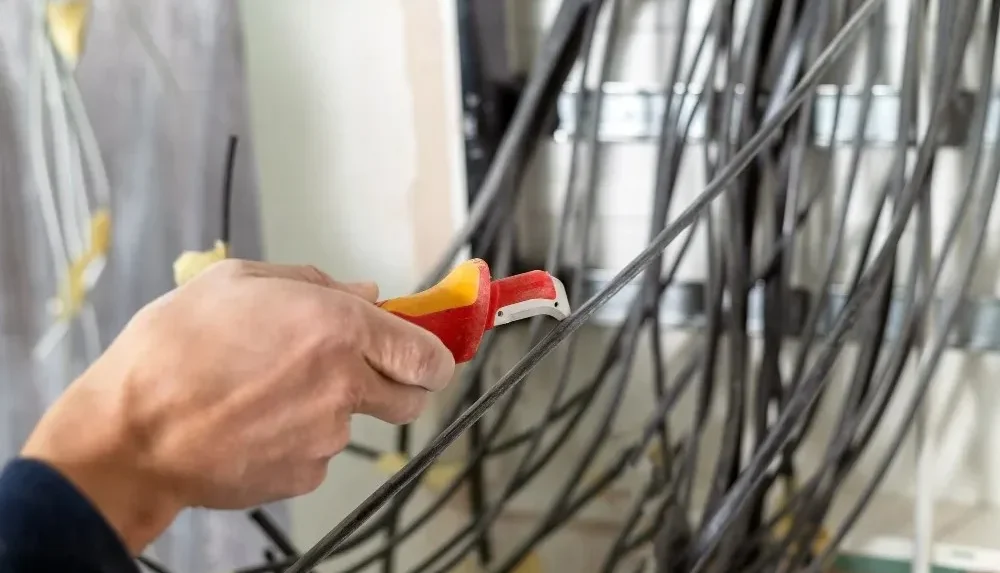
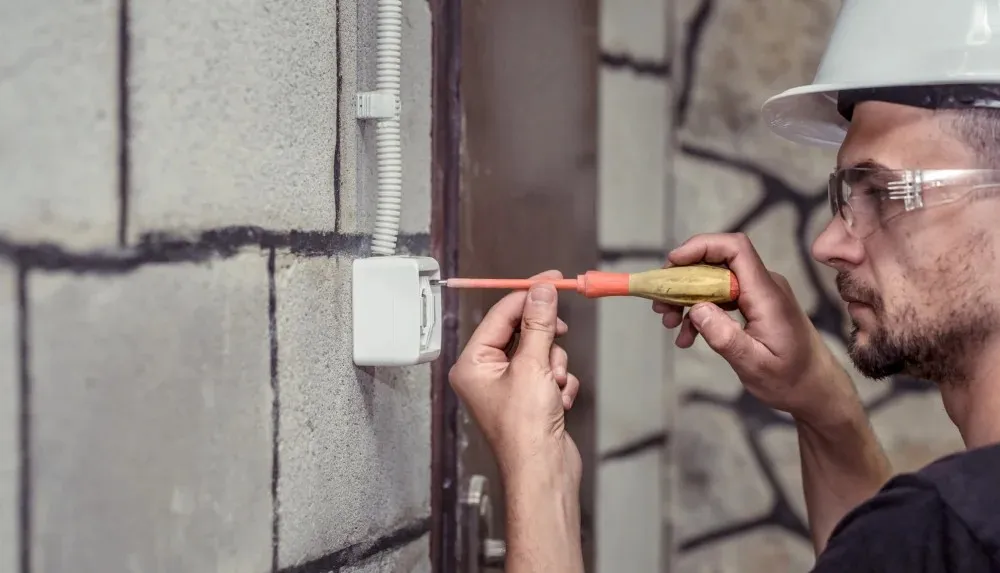
Exposing unshielded copper conductors to moisture, industrial solvents, or constant mechanical friction causes rapid line breakdown. Over time, physical wear strips away protective coatings, leading to dangerous short circuits and machine outages. However, deploying specialized wire insulation polymer compounds neutralizes environmental threats by creating a resilient barrier around every line. This mechanical defense structure keeps high-voltage lines completely isolated from surrounding chassis components. This clean protective foundation allows you to deploy Engineered Cable Protection through your production facilities safely.
Technical Advantages of Selecting Superior Wire Insulation
Sourcing custom wire assemblies from a dedicated contract manufacturing partner allows your facility automation projects to scale smoothly. Every raw material batch undergoes strict dielectric testing to guarantee absolute electrical isolation across your network.
Matching Thermal Ratings for High-Temperature Applications
First, packing electrical bundles into tight engine spaces or industrial ovens requires jacketing that will not melt under heat stress. High-grade wire insulation utilizes cross-linked polyethylene (XLPE) or fluoropolymers like PTFE to handle intense thermal environments. Consequently, your wiring runs operate continuously at elevated temperatures without cracking, softening, or degrading over time. Securing this level of physical insulation performance is straightforward when partnering with a certified Custom Wire Harness Source.
Maximizing Dielectric Strength in Compact Equipment Enclosures
Second, high-density control panels demand thin-walled insulation materials that can handle high electrical stress without breaking down. Inferior plastic coverings require excessive thickness to prevent voltage arc-over, making cable bundles bulky and stiff. Advanced wire insulation formulations provide superior dielectric breakdown strength in streamlined outer profiles. This thin wall design ensures your Customized Cable Matrix remains highly flexible while providing maximum electrical isolation.
Critical Quality and Testing Standards for Wire Insulation
Verifying the automated quality checks of your raw material partner is essential for maintaining electrical safety compliance. Because a single pinhole in the jacketing can trigger a catastrophic short, insulated lines must pass rigorous diagnostics.
- Continuous Spark Testing Sweeps: Detects microscopic jacket pinholes instantly during high-speed wire extrusion runs.
- Dielectric Voltage Withstand (Hipot) Testing: Applies high voltage across the insulation wall to verify zero current leakage.
- Accelerated Thermal Aging Evaluations: Bakes insulation samples in test ovens to confirm long-term flexibility without cracking.
- Chemical Resistance Profiling: Submerges jacketing materials in oil, fuel, and hydraulic fluid to verify zero chemical degradation.
Integrating Insulated Conductors with Power Distribution Networks
Building a scalable automated facility requires linking your insulated conductor lines with primary facility distribution hubs. To streamline this engineering process, technical teams pair their wire selections with an optimized Industrial Cabling Layout. This combination delivers a complete, drop-in utility infrastructure capable of carrying high-current power and clean signal feeds. Sourcing these integrated assemblies from a single domestic facility ensures all components align perfectly.
Future Engineering Integration in Smart Infrastructure
As modern industrial equipment transitions toward high-voltage electric architectures, dielectric jacketing must adapt to meet new safety standards. Modern insulation layers do not just block direct current; they mitigate high-frequency electrical noise across smart equipment networks.
Interconnecting Shielded Insulated Lines to Central Control Systems
To coordinate these high-voltage lines, internal conductors link directly into processing control modules. Building these complex internal connections requires a high-quality Circuit Board Assembly that keeps microcontrollers protected from high-voltage spikes. Consequently, your processing networks maintain fast communication speeds without experiencing data dropouts. This hardware protection guards your central processing cards against field failures.
Enclosure Fabrication and Environmental Shielding
Finally, your internal wiring networks and termination blocks require a heavy-duty physical shield to block external threats like dust, oil mist, or moisture. Contract manufacturing facilities pair their internal line layouts with complete Electrical Enclosure Manufacturing. This integrated approach allows you to source both your wire insulation layout and your NEMA-rated metal enclosures from a single trusted partner.
Frequently Asked Questions (FAQs)
1.What are the most common polymer materials used for wire insulation?
Common materials include PVC, cross-linked polyethylene (XLPE), silicone rubber, and fluoropolymers like PTFE or FEP. Consequently, each polymer offers distinct advantages for temperature, flexibility, and chemical resistance.
2.How does XLPE insulation differ from standard PVC insulation
XLPE undergoes a cross-linking process that changes its molecular structure into a heat-resistant network. Therefore, XLPE handles higher operating temperatures and resists melting better than standard PVC.
3.What is the difference between wire insulation and wire jacketing?
Wire insulation sits directly around the individual conductive copper strand to prevent electrical leaks. Alternatively, a wire jacket is an outer sheath that bundles multiple insulated wires together for physical protection.
4.Why is dielectric strength important when choosing wire insulation?
Dielectric strength measures the maximum electric field, and insulation material can withstand without breaking down electrically. Therefore, higher dielectric strength allows thinner insulation layers to operate safely under high voltages.
5.Where can I source custom insulated wire assemblies in the USA?
You can partner with established domestic contract manufacturers like Auctus Electro to upload your engineering drawings and receive a technical production consultation.
Conclusion
In conclusion, protecting your electrical infrastructure with high-grade wire insulation is a vital investment in facility safety and operational uptime. By prioritizing thermal ratings, high dielectric strength, and rigorous quality testing, you protect your operational assets from field failures. A premier contract partner like Auctus Electro provides the engineering expertise needed to bring your complex hardware designs to life. Choose an engineered connectivity solution that drives your business forward with safety, reliability, and efficiency.
Go To Top