Running power to a detached garage, a well pump, or a string of landscape lights means one cable must survive years of wet soil, frost, and shifting ground. That is exactly the job of direct burial wire, a cable built to go straight into the trench without a protective conduit. Pick the wrong product and you risk insulation breakdown, ground faults, and expensive re-digging. This guide explains the main cable types used across the USA, how deep it is to bury them, and how to match the right cable to your project.
In this article
What Is Direct Burial Wire?
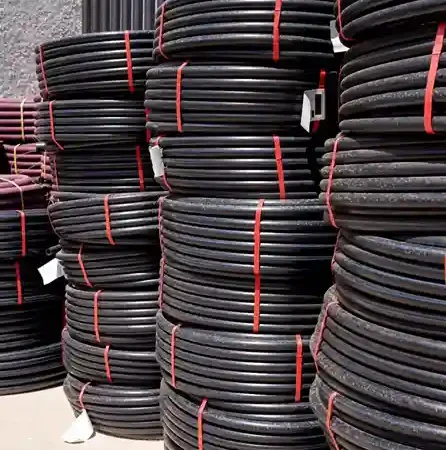
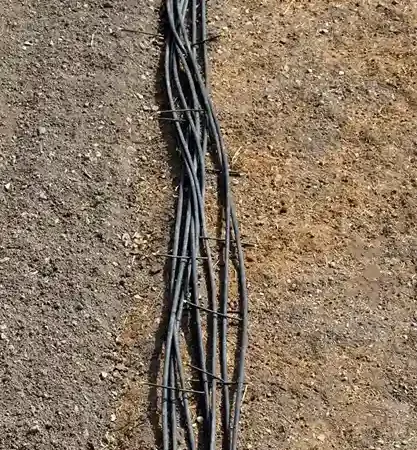
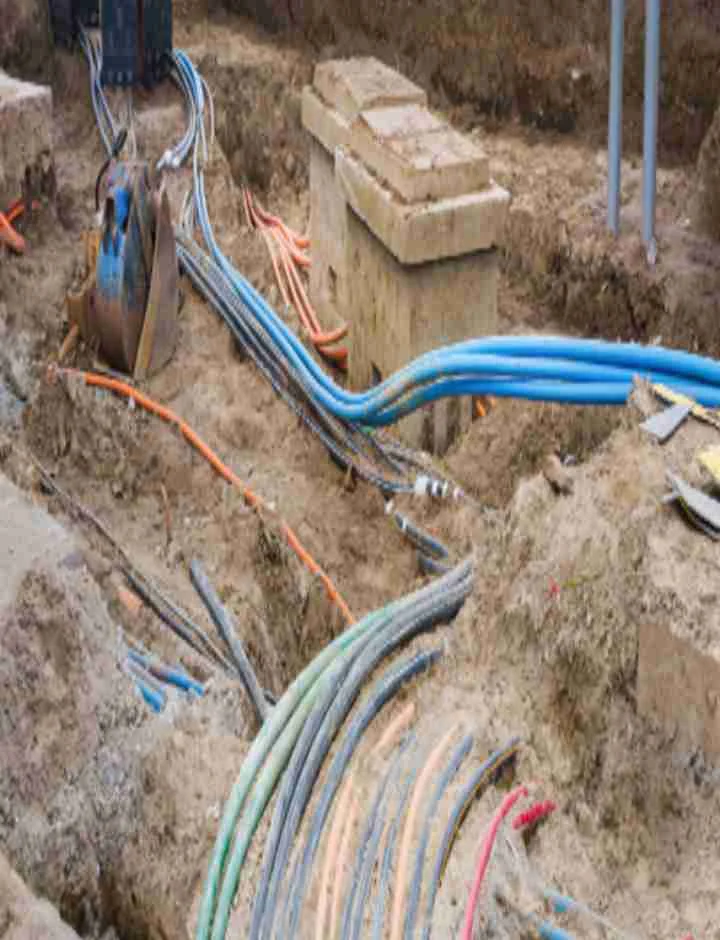
Direct burial wire is an electrical cable whose jacket and insulation resist moisture, soil chemicals, fungus, and abrasion, so it can be installed underground without a raceway. Standard indoor cable soaks up water and degrades quickly in soil, while burial-rated cable uses tough thermoplastic or cross-linked polyethylene compounds that stay stable for decades. The compound matters as much as the copper inside, and our overview of wire insulation materials explains how those properties differ.
The term covers several product families rather than one single cable. Each is built for a different voltage level and application, which is why the label on the jacket is the first thing to check before you buy.
Common Types of Direct Burial Wire
UF-B Underground Feeder Cable
UF-B is the most familiar choice for residential and light commercial work. It is typically rated for 600 volts and has insulated conductors and a bare ground molded into a solid, sunlight-resistant jacket. Electricians use it for outdoor feeders that supply lamp posts, pumps, sheds, and detached garages. Unlike indoor NM-B cable, the molded jacket keeps water out of the core.
USE-2 Underground Service Entrance Wire
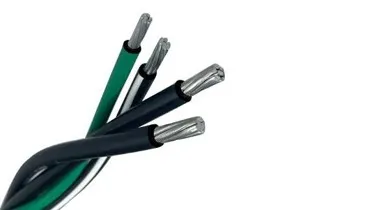
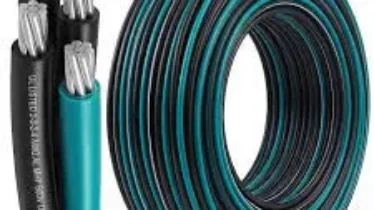
USE-2 is a single-conductor cable made with cross-linked polyethylene insulation and is the standard for underground service entrance runs from a utility transformer or meter to a building. It is available in copper and in aluminum conductor cable, which is common for large feeders where weight and cost matter. Larger service-class products like these come out of dedicated power cable manufacturing lines.
Low-Voltage Landscape Cable
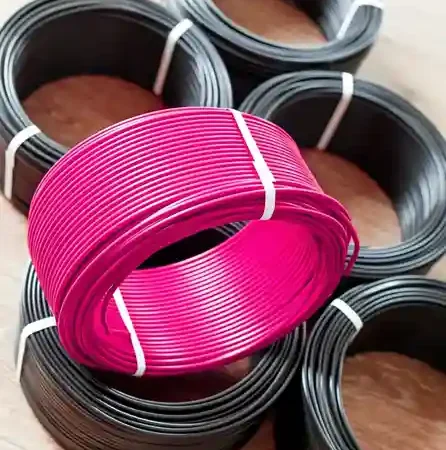
Garden lighting and similar 12-volt systems use thin two-conductor cable with a polyethylene jacket, often sold from 16 AWG up to 10 AWG. Because current is higher at low voltage, voltage drop becomes the main limit on run length. Our guide to low voltage wire sizing and code compliance covers that in more depth.
Direct Burial Communication Cable
Outdoor Ethernet, coax, and fiber links also come in burial-rated versions. These use a polyethylene jacket and often a water-blocking gel or flooding compound to stop moisture from traveling along the cable if the jacket is nicked.
Why THWN-2 and NM-B Do Not Qualify
Individual THHN or THWN-2 conductors are not made for bare soil and must be pulled through conduct. Standard NM-B (Romex) is not permitted underground at all. Using either one as a shortcut is among the most frequent and costly installation errors.
How Deep Should You Bury Direct Burial Wire?
Burial depth is set by the National Electrical Code (NEC Table 300.5) and by your local authority having jurisdiction. As a general guide, minimum cover for direct buried cable looks like this:
for most direct burial cable, including runs under driveways and roads
for residential branch circuits of 120 volts or less, 20 amps maximum, with GFCI protection
for low-voltage landscape lighting limited to 30 volts
Code editions and local amendments change, so confirm the requirement with your inspector before you dig.
How to Choose the Right Direct Burial Wire
The right cable comes down to a handful of practical checks:
Match the cable’s voltage rating and ampacity to the circuit, with margin for future additions.
Long runs lose voltage, so size up. Our AWG selection guide walks through how gauge affects current and drop. A common target is 3 percent drop or less on a branch circuit.
Copper suits small and medium runs, while aluminum is economical on large feeders but needs correctly rated lungs and antioxidant compound.
Rocky soil, chemical exposure, high water tables, and freeze-thaw cycles all push you toward tougher jackets or added protection.
Any section that rises above grade needs a sunlight-resistant jacket or conduit protection.
Installation Best Practices
Utility locating is free in the USA and prevents strikes on gas, water, and communication lines.
to the required depth and remove sharp rocks and debris.
so the jacket is not pressed against stones.
instead of pulling the cable tight, since soil shifts and cable expands and contracts.
and at any point exposed to damage.
then keep them accessible where code requires.
then add warning tape about 12 inches above the cable.
Common Mistakes to Avoid
- Burying standard indoor or NM-B cables because it looks similar
- Burying too shallow to save digging time
- Ignoring voltage drop on long low voltage runs
- Using unsealed or non-rated splices that let water into the circuit
- Skipping markers on long runs, since locators need a way to find the line later. Pairing the run with tracer wire is a common fix for non-metallic utility lines.
This article is general guidance only. Always follow current NEC requirements and local code and use a licensed electrician for service and feeder work.
Frequently Asked Questions (FAQs)
What is direct burial wire?
Direct burial wire is cable designed to be installed directly in soil without conduit. Its moisture-resistant, sunlight-resistant jacket protects the conductors from water, chemicals, and abrasion.
Can I use Romex underground?
No. NM-B (Romex) is not approved for underground or wet locations. Use UF-B cable or run individual THWN-2 conductors inside conduit.
How deep should direct burial wire be buried?
Most direct burial cable needs 24 inches of cover under NEC Table 300.5. Reduced depths of 12 inches or 6 inches apply to specific GFCI-protected residential circuits and low-voltage landscape lighting. Check your local code before digging.
What is the difference between UF-B and USE-2?
UF-B is a multi-conductor feeder cable used for outdoor circuits like pumps, lighting, and outbuildings. USE-2 is a single-conductor service entrance wire used to bring power from the utility to a building.
Where can I source custom direct burial cable assemblies in the USA?
You can work with a domestic manufacturer such as Auctus Electro in Rolling Meadows, Illinois, to get cut-to-length and terminated cable assemblies built to your drawings.
Conclusion
Choosing the right direct burial wire protects your equipment, your budget, and your safety. Match the cable type to the voltage and application, size it correctly for the run, bury it to code, and protect every splice and exit point. When your project needs specific lengths, connectors, or sealed terminations, a manufacturing partner like Auctus Electro can build assemblies that match your design and your timeline.

Auctus Electro Assembly delivers a wide range of electrical solutions with fast turnaround times and reliable service. Wire harnesses, cable assemblies, box builds and electronics contract manufacturing from Rolling Meadows, IL.
Request a Quote