When it comes to modern electrical installations, choosing the right conductors can make or break your project’s safety, efficiency, and longevity. Among all the available options, flexible Electrical wire has become the go-to standard for residential, commercial, and industrial applications alike.
Whether you are wiring a complex control panel, upgrading home appliances, or working in tight industrial spaces, understanding how flexible wire works will save you time, effort, and money.
In this article
What is Flexible Electrical Wire?
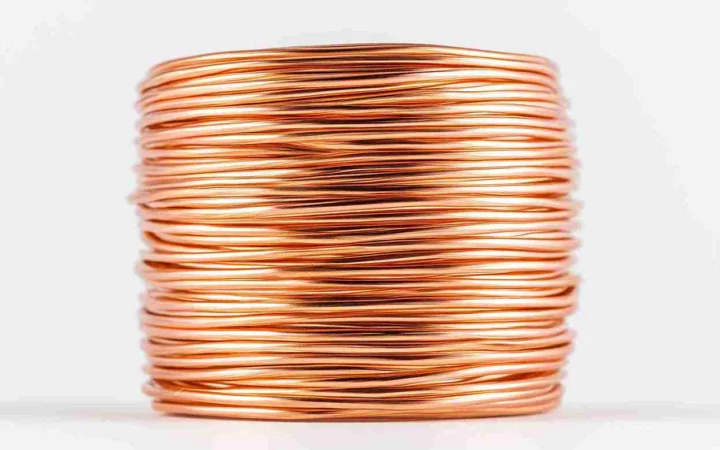
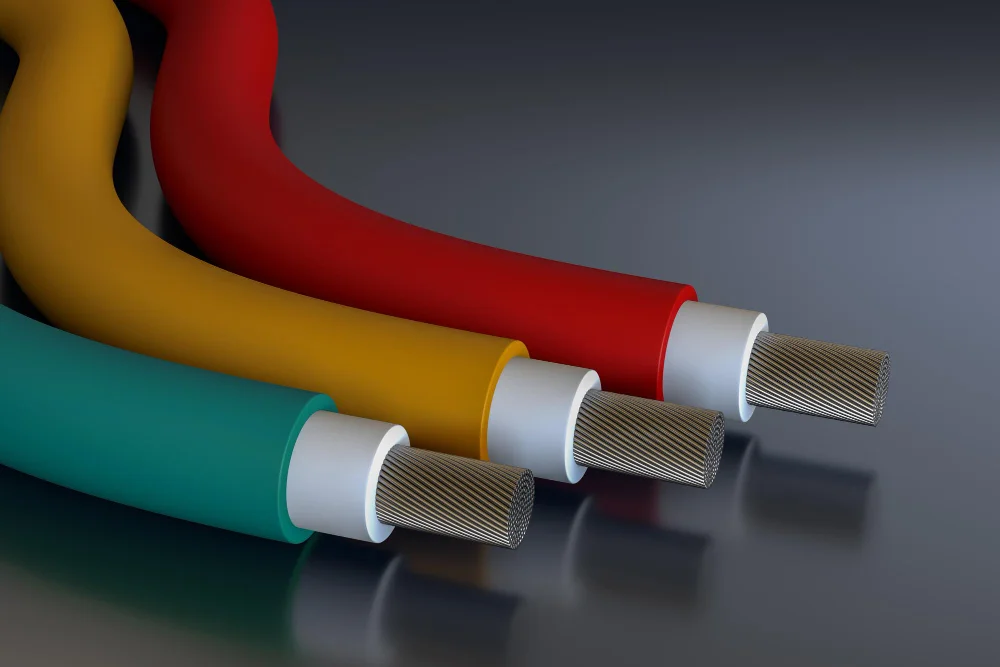
Unlike rigid or solid-core conductors made of a single thick piece of metal, a flexible electrical wire consists of multiple thin strands of copper or aluminum twisted together inside an insulating jacket.
This multi-strand construction allows the wire to bend, twist, and route through narrow pathways without breaking or damaging the metal core.
Key Benefits of Using Flexible Electrical Wire
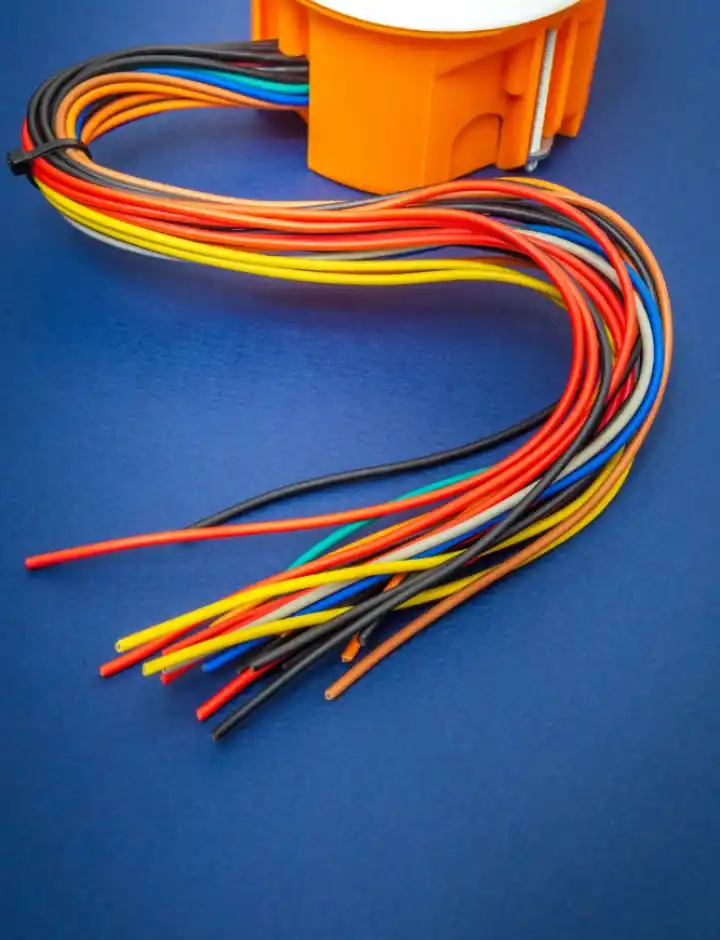
The defining characteristic of flexible wire is its ability to navigate sharp turns, tight conduits, and complex electrical boxes without needing heavy bending tools.
In environments with continuous movement—such as machinery, automotive applications, or home appliances—flexible wire absorbs vibrations without fracturing.
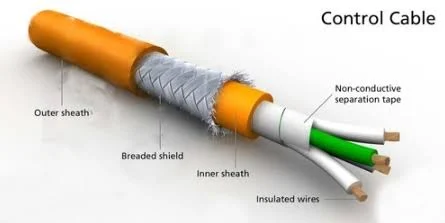
High-grade PVC or rubber insulation protects the internal strands against moisture, oil, abrasion, and heat exposure.
Flexible conductors exert far less tension on connection points and terminal blocks compared to stiff solid wires.
Solid Wire vs. Flexible Electrical Wire
Choosing between solid and flexible Wiring depends on the specific demands of your project.
Flexible Electrical Wire
Multiple fine twisted strands
Extremely high; bends easily
Machinery, control Panels, appliances
High
Best used with crimp lugs/ferrules
Solid Core Wire
Single solid conductor
Low; stiff and rigid
In-wall home wiring, permanent conduits
Low (can fatigue and break)
Plugs directly into push-in terminals
Common Applications
Because of its versatile physical properties, flexible electrical wire is used across a wide range of industries:
Wiring inside dense industrial control panels where space is limited and neat cable management is essential.
Extension cords, power leads for washers, refrigerators, and power tools that experience frequent movement.
Wiring harnesses for cars, RVs, and boats where constant movement and rough terrain require durable, vibration-proof cables.
Outdoor event power lines and construction site setups that require frequent teardown and setup.
Best Practices for Safe Installation
To ensure maximum efficiency and safety when working with flexible Electrical wire, keep these simple guidelines in mind:
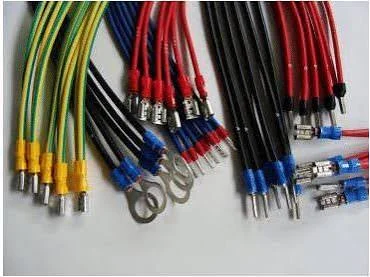
When connecting stranded flexible wire to screw terminals, crimp a ferrule onto the exposed end. This prevents individual strands from splaying and causing short circuits.
Ensure the wire gauge matches your circuit’s amperage requirement to prevent overheating.
Strip only as much insulation as needed to make a clean, secure terminal connection.
Match the wire’s insulation rating (e.g., THHN, PVC, Silicone) to the operating environment.
Frequently Asked Questions (FAQs)
Is flexible electrical wire safe for home wiring?
Yes, for flexible leads, appliances, and surface-run conduits, but standard solid wire is typically preferred inside walls for permanent electrical runs.
Can I connect flexible wire directly to standard screw terminals?
It is best to crimp a ferrule or lug onto stranded wire first to keep individual strands bundled securely.
Is flexible wire more expensive than solid wire?
Generally yes, because manufacturing multiple fine strands requires more complex production than drawing a single solid core.
Does flexible wire carry the same current as solid wire of the same gauge?
Yes, both carry equivalent current when rated at the same wire gauge (AWG) and insulation type.
Conclusion
Choosing high-quality flexible electrical wire ensures that your electrical systems remain safe, adaptable, and easy to maintain. By reducing installation hassle and standing up to continuous movement, it remains an indispensable choice for both professional electricians and DIY enthusiasts.

Auctus Electro Assembly delivers a wide range of electrical solutions with fast turnaround times and reliable service. Wire harnesses, cable assemblies, box builds and electronics contract manufacturing from Rolling Meadows, IL.
Request a Quote