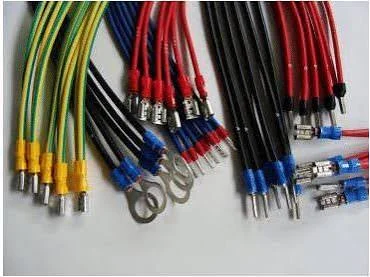
Selecting the correct wire Gauge is a fundamental engineering requirement when designing reliable custom wire harnesses and electrical cable assemblies. Operating conditions, current capacity, voltage drop limits, and thermal exposure directly dictate the proper conductor thickness needed for safe operation. In manufacturing environments across the USA, using an undersized wire leads to severe overheating, voltage drops, and potential insulation breakdown. Conversely, selecting an oversized wire adds unnecessary weight, reduces bundle flexibility, and increases production expenses. Therefore, understanding American Wire Gauge (AWG) parameters ensures your custom electrical systems maintain maximum efficiency and structural safety.
In this article
Understanding the American Wire Gauge (AWG) System
The American Wire Gauge standard measures conductor cross-sectional thickness using an inverted numerical scale. Understanding how these numbers correlate to electrical capacity helps design teams specify optimal wiring layouts.
How Numerical AWG Values Function
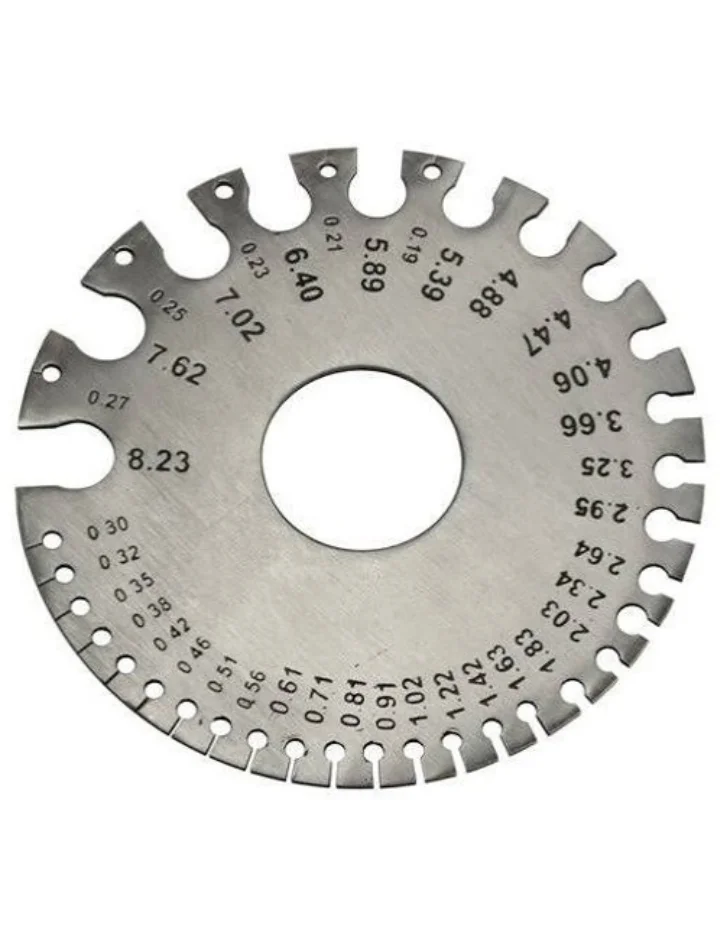
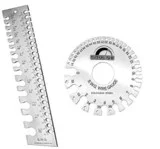
First, it is important to remember that as the AWG numerical rating increases, the physical conductor diameter decreases proportionally. For example, a 12 AWG conductor is significantly thicker than a 24 AWG wire. Thicker wires feature lower electrical resistance, which allows higher continuous currents to flow without dangerous heat generation. Consequently, high-power distribution lines utilize low AWG numbers, whereas low-voltage control sensors rely on higher AWG conductors.
The Inverse Relationship Between Gauge and Ampacity
Second, electrical ampacity measures the maximum continuous current a conductor carries before experiencing thermal degradation. Choosing the right wire gauge requires matching the continuous circuit amperage to the corresponding conductor cross-section. Selecting proper wire sizes ensures that your custom Wire Harness Contract Source delivers fully compliant, long-lasting assemblies.
Critical Factors Influencing Wire Gauge Selection
Determining the exact conductor thickness for a complex harness requires evaluating several environmental and physical factors beyond basic circuit amperage.
| AWG Size | Typical Conductor Diameter (mm) | Max Ampacity (Chassis Wiring) | Common Harness Applications |
|---|---|---|---|
| 10 AWG | 2.58 mm | 55 Amps | Main power distribution, heavy relays |
| 14 AWG | 1.63 mm | 32 Amps | Industrial power tools, motor leads |
| 18 AWG | 1.02 mm | 16 Amps | Actuators, general power runs |
| 22 AWG | 0.64 mm | 7 Amps | Low-power sensor networks, signal lines |
| 26 AWG | 0.40 mm | 2.2 Amps | High-density data lines, PCB interconnects |
Managing Voltage Drop Across Long Cable Runs
Over extended cable distances, electrical resistance causes noticeable voltage drops between power supplies and load terminals. To prevent operational logic failures in sensitive electronics, design rules dictate keeping total voltage drop below 3%. Increasing your conductor thickness by moving to a heavier wire gauge reduces overall circuit resistance and maintains stable voltage levels.
Accounting for Thermal Bundling and Derating
When multiple current-carrying conductors are bundled inside tight protective sleeves, internal heat buildup increases rapidly. Because trapped heat cannot dissipate easily, engineers must apply derating factors to lower the allowable ampacity per conductor. Integrating high-temperature insulation materials alongside Custom Cable Assemblies helps maintain circuit stability under demanding thermal conditions.
Industry Standards and Testing Diagnostics
Verifying wire conductor integrity through standardized testing guarantees that finished assemblies meet strict industry safety standards.
Defines acceptable crimp height, insulation clearance, and conductor strand integrity.
Verifies thermal performance under full electrical load conditions.
Tests mechanical terminal retention force based on specific conductor thickness.
Ensures jacket insulation withstands peak system voltages without electrical leakage.
Integrating Custom Harnesses into Complex Assemblies
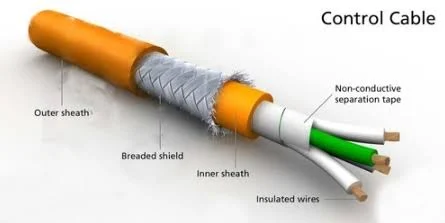
Industrial machinery requires smooth integration between internal signal wiring and primary power control units. Pairing correctly sized conductors with advanced Electromechanical Harness Layouts ensures dependable signal transmission across all system sub-components.
Full-Service Electronics and Fabrication Solutions
Modern OEM product development relies on combining precision wiring harnesses with specialized printed circuit board designs and durable enclosures.
Connecting Wire Harnesses to Custom PCBs
Signal lines must route power and data directly into central control units without introducing electrical noise. Linking properly rated conductors with Electronics Contract Manufacturing protects sensitive microprocessors from unexpected voltage fluctuations.
Physical Protection via Custom Enclosures
Internal wiring networks require heavy-duty enclosures to protect against dust, physical impact, and environmental exposure. Partnering with experienced providers for Engineering Support solutions allows manufacturers to source both custom cable harnesses and custom-fabricated enclosures from a single reliable partner like Auctus Electro.
Frequently Asked Questions (FAQs)
Why is selecting the correct wire gauge crucial for harness safety?
Using an incorrect conductor size can cause severe electrical overheating, voltage drops, and insulation failure, which can lead to equipment downtime or fire hazards.
How does wire length affect AWG selection?
Longer cable runs experience higher total electrical resistance. To compensate for voltage, drop over long distances, engineers must select a thicker conductor (lower AWG number).
What happens if you bundle too many wires together in a harness?
Bundling multiple active conductors restricts thermal dissipation. Engineers must apply derating factors, which lower the maximum safe current capacity of each individual wire.
What standard governs wire gauge crimping in custom assemblies?
The IPC/WHMA-A-620 standard dictates acceptable crimp dimensions, strand counts, and mechanical pull-force limits for every conductor’s size.
Where can I source custom wire harnesses built to exact AWG specifications in the USA?
You can work directly with experienced domestic contract manufacturers like Auctus Electro to build certified cable assemblies based on your engineering schematics.
Conclusion
In conclusion, choosing the proper wire gauge is a critical engineering decision that directly impacts the safety, efficiency, and longevity of your electrical harnesses. By balancing ampacity requirements, voltage drop limits, and thermal bundling factors, you prevent costly field failures and ensure smooth system operation. Partnering with a trusted manufacturer like Auctus Electro ensures every wire harness is built precisely to your engineering specifications with complete IPC-620 quality assurance.

Auctus Electro Assembly delivers a wide range of electrical solutions with fast turnaround times and reliable service. Wire harnesses, cable assemblies, box builds and electronics contract manufacturing from Rolling Meadows, IL.
Request a Quote