- 3876 Industrial Ave, Rolling Meadows, IL 60008
- Info@auctuselectro.com

- 3876 Industrial Ave, Rolling Meadows, IL 60008
- Info@auctuselectro.com
Flexible Electrical Wire
- Home
- Flexible Electrical Wire
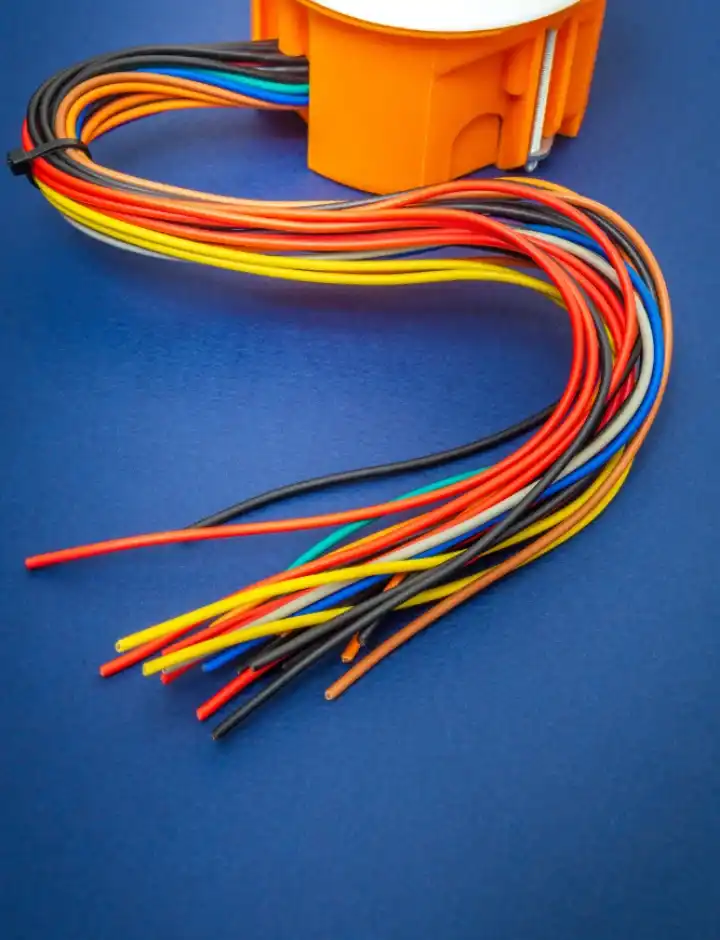
Mastering Flexible Electrical Wire: The Complete Guide for Safe & Efficient Wiring
When it comes to modern electrical installations, choosing the right conductors can make or break your project’s safety, efficiency, and longevity. Among all the available options, flexible Electrical wire has become the go-to standard for residential, commercial, and industrial applications alike.
Whether you are wiring a complex control panel, upgrading home appliances, or working in tight industrial spaces, understanding how flexible wire works will save you time, effort, and money.
What is Flexible Electrical Wire?
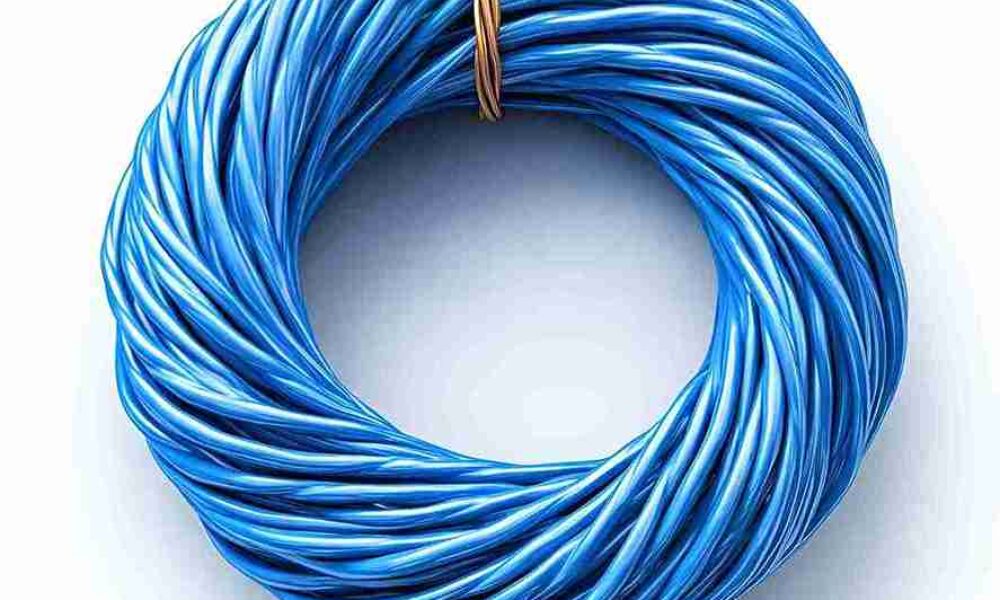
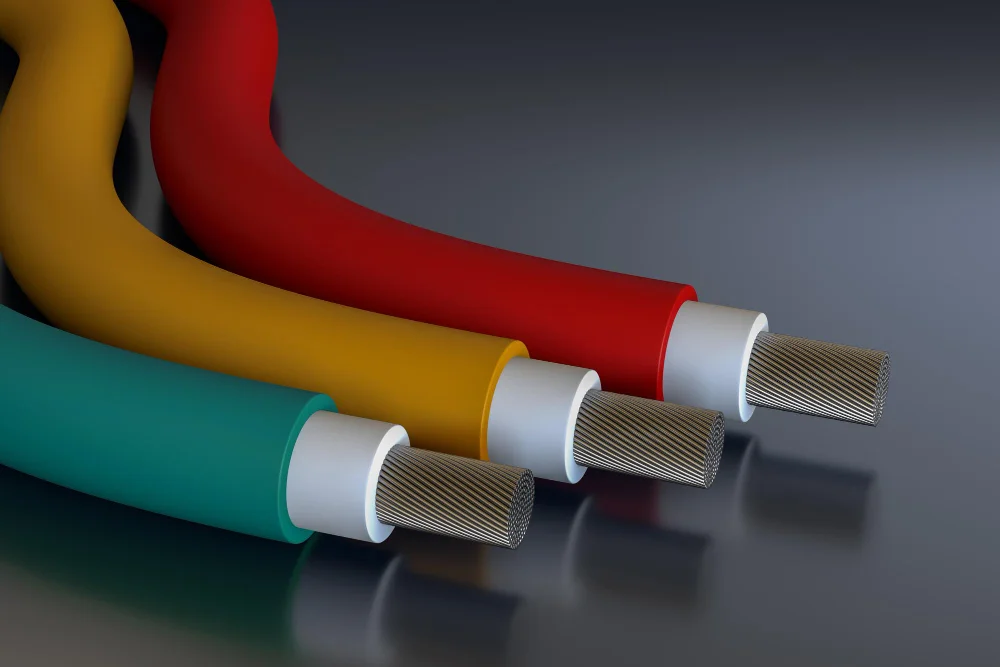
Unlike rigid or solid-core conductors made of a single thick piece of metal, a flexible electrical wire consists of multiple thin strands of copper or aluminum twisted together inside an insulating jacket.
This multi-strand construction allows the wire to bend, twist, and route through narrow pathways without breaking or damaging the metal core.
Key Benefits of Using Flexible Electrical Wire
- Easy Routing & Installation: The defining characteristic of flexible wire is its ability to navigate sharp turns, tight conduits, and complex electrical boxes without needing heavy bending tools.
- Vibration Resistance: In environments with continuous movement—such as machinery, automotive applications, or home appliances—flexible wire absorbs vibrations without fracturing.
- Superior Durability: High-grade PVC or rubber insulation protects the internal strands against moisture, oil, abrasion, and heat exposure.
- Reduced Stress on Terminals: Flexible conductors exert far less tension on connection points and terminal blocks compared to stiff solid wires.
Solid Wire vs. Flexible Electrical Wire
Choosing between solid and flexible Wiring depends on the specific demands of your project.
Flexible Electrical Wire
- Structure: Multiple fine twisted strands
- Flexibility: Extremely high; bends easily
- Best For: Machinery, control Panels, appliances
- Vibration Resistance: High
- Termination: Best used with crimp lugs/ferrules
Solid Core Wire
- Structure: Single solid conductor
- Flexibility: Low; stiff and rigid
- Best For: In-wall home wiring, permanent conduits
- Vibration Resistance: Low (can fatigue and break)
- Termination: Plugs directly into push-in terminals
Common Applications
Because of its versatile physical properties, flexible electrical wire is used across a wide range of industries:
- Control Panels & Automation: Wiring inside dense industrial control panels where space is limited and neat cable management is essential.
- Household Appliances: Extension cords, power leads for washers, refrigerators, and power tools that experience frequent movement.
- Automotive & Marine: Wiring harnesses for cars, RVs, and boats where constant movement and rough terrain require durable, vibration-proof cables.
- Temporary Power Distributions: Outdoor event power lines and construction site setups that require frequent teardown and setup.
Best Practices for Safe Installation
To ensure maximum efficiency and safety when working with flexible Electrical wire, keep these simple guidelines in mind:
- Always Use Wire Ferrules: When connecting stranded flexible wire to screw terminals, crimp a ferrule onto the exposed end. This prevents individual strands from splaying and causing short circuits.
- Select the Correct Gauge (AWG): Ensure the wire gauge matches your circuit’s amperage requirement to prevent overheating.
- Avoid Over-stripping: Strip only as much insulation as needed to make a clean, secure terminal connection.
- Check Temperature & Voltage Ratings: Match the wire’s insulation rating (e.g., THHN, PVC, Silicone) to the operating environment.
Frequently Asked Questions (FAQs)
1.Is flexible electrical wire safe for home wiring?
Yes, for flexible leads, appliances, and surface-run conduits, but standard solid wire is typically preferred inside walls for permanent electrical runs.
2.Can I connect flexible wire directly to standard screw terminals?
It is best to crimp a ferrule or lug onto stranded wire first to keep individual strands bundled securely.
3.Is flexible wire more expensive than solid wire?
Generally yes, because manufacturing multiple fine strands requires more complex production than drawing a single solid core.
4. Does flexible wire carry the same current as solid wire of the same gauge?
Yes, both carry equivalent current when rated at the same wire gauge (AWG) and insulation type.
Conclusion
Choosing high-quality flexible electrical wire ensures that your electrical systems remain safe, adaptable, and easy to maintain. By reducing installation hassle and standing up to continuous movement, it remains an indispensable choice for both professional electricians and DIY enthusiasts.
Go To Top