- 3876 Industrial Ave, Rolling Meadows, IL 60008
- Info@auctuselectro.com

- 3876 Industrial Ave, Rolling Meadows, IL 60008
- Info@auctuselectro.com
Cable Ties
- Home
- Cable Ties
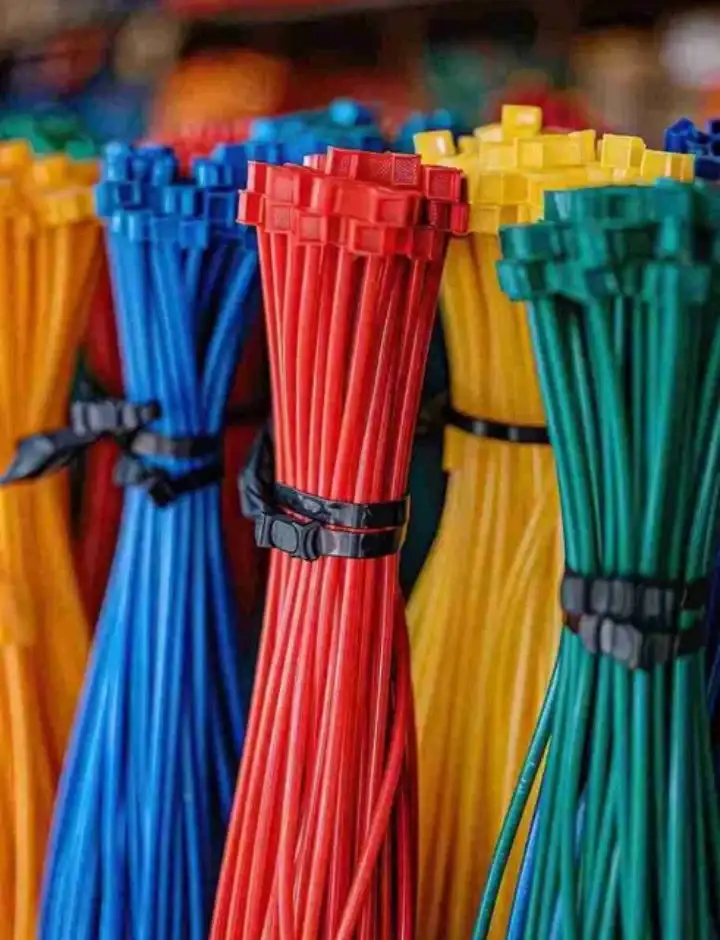
Securing Industrial Wiring Infrastructure with High-Durability Cable Tie
Maintaining clean wire routing, strain relief, and structural organization across industrial machinery, Automotive Harnesses, and commercial electrical panels require reliable bundling hardware. Sloppy, unanchored wiring looms invite mechanical abrasion, insulation wear, and dangerous electrical short circuits. Consequently, integrating engineered cable ties has become a fundamental assembly standard for panel builders and equipment manufacturers across the USA. High-tensile nylon zip ties and stainless-steel fasteners hold multi-cable bundles securely against structural framing. Therefore, selecting high-grade bundling hardware directly prevents wire sagging, protects sensitive conductors from mechanical vibration, and simplifies ongoing maintenance.
Preventing Mechanical Abrasion and Harness Failure
Exposing loose wiring harnesses to constant machine vibration causes insulation jackets to rub against metal enclosure edges. Over time, this mechanical chafing cuts through protective tubing, exposing copper conductors to shorting hazards. However, deploying certified cable ties resolves these harness management hazards completely by locking wire bundles firmly into place. Heavy-duty locking pawls maintain constant mechanical tension without slipping under load. Consequently, your assembly technicians can easily install a reliable Harness Bundling Setup that resists severe industrial vibration.
Technical Considerations for Industrial Fastening Solutions
Selecting the correct fastener material, tensile strength rating, and locking mechanism is vital for ensuring long-term wiring integrity. Understanding these technical options helps design engineers select the optimal bundling solution for specific environmental conditions.
Weather-Resistant Nylon 6/6 vs. Stainless Steel Zip Ties
First, matching fastener materials to operational environments directly determines service life. Standard Nylon 6/6 zip ties work exceptionally well in climate-controlled indoor control cabinets. However, outdoor installations exposed to continuous sunlight require UV-stabilized Nylon 6/6 modified with carbon black additives. Furthermore, extreme high-temperature or chemical environments demand 316 stainless steel zip ties. Securing this level of material selection expertise is straightforward when collaborating with a specialized Industrial Wiring Partner.
High Tensile Strength Metrics and Push-Mount Versatility
Second, cable zip ties carry standardized loop tensile strength ratings ranging from light-duty 18 lb ties up to heavy-duty 250 lb structural straps. Selecting the correct loop strength prevents tie breakage during heavy harness pull-throughs. Furthermore, specialized push-mount and button-head ties allow technicians to anchor Custom Wiring Harness Assemblies directly into pre-drilled sheet metal panels without requiring additional mounting brackets.
Essential Harness Management Accessories and Installation Practices
Achieving a professional-grade wiring installation requires more than just wrapping ties around wire bundles. High-performance assembly lines utilize dedicated tensioning tools and mounting hardware to optimize production speeds.
- Automatic Cable Tie Tensioning Guns: Applies uniform tension and cuts off the tail flush to prevent sharp plastic edges.
- Adhesive-Backed and Screw-Mounting Bases: Provides secure tie anchor points along smooth cabinet walls.
- ID Marker Cable Ties: Combines bundling functionality with built-in flag tags for clear wire circuit identification.
- Ladders and Releasable Zip Ties: Allows easy cable additions or temporary positioning during prototype wiring stages.
Integrating Wire Bundling Solutions into Larger Machinery
Building heavy commercial equipment requires routing complex power and control cables from main distribution panels to remote sensors. To streamline this assembly process, installation crews connect bundled wire looms directly into a complete electrical harness architecture. This organized wiring approach speeds up final cabinet wiring and prevents line crossovers during site commissioning.
Comprehensive Electrical Hardware and System Fabrication
Modern OEMs demand total harmony between internal cable management, central circuit boards, and external cabinet housing. Contracting a single full-service manufacturing partner simplifies vendor management and shortens total production schedules.
Interfacing Managed Harnesses with Control Printed Boards
To ensure stable power distribution, neatly bundled cable looms must plug cleanly into central circuit boards without straining connector pins. Linking your harness routing layouts with high-quality Printed Circuit Board Fabrication guards sensitive header pins against physical stress. Consequently, your control modules maintain stable electrical contacts even during heavy transport vibration. This strain-relief protection guards your central processing boards against connector fatigue.
Durable Cabinet Enclosures and Metal Work Fabrication
Finally, your bundled wire looms, terminal blocks, and sensitive electronics require a heavy-duty physical enclosure to block dust, moisture, and chemical splashes. Full-service contract partners combine their harness assembly expertise with comprehensive Industrial Engineering Support. This unified capability allows you to source custom cable ties, pre-assembled wire harnesses, and NEMA-rated metal enclosures from a single trusted domestic partner like Auctus Electro.
Frequently Asked Questions (FAQs)
1.What is the difference between standard Nylon 6/6 and UV-stabilized cable ties
Standard Nylon 6/6 can degrade, crack, and turn brittle when exposed to sunlight over time. UV-stabilized cable ties contain carbon black additives that absorb ultraviolet radiation, making them suitable for long-term outdoor exposure.
2.Why should technicians use tensioning tools instead of cutting cable ties with pliers?
Using a cable tie tensioning gun ensures consistent loop tension without overtightening or crushing internal wire insulation. Furthermore, it cuts the plastic tail completely flush, eliminating razor-sharp edges that can injure technicians.
3.When should stainless steel cable ties be used instead of nylon ties?
Stainless steel ties (304 or 316 grade) are required in high-temperature environments (above 185°F / 85°C), high-corrosion chemical plants, marine applications, or where extreme tensile strength (over 250 lbs) is required.
4.How do push-mount cable ties simplify panel assembly?
Push-mount ties feature an integrated expanding anchor tip that snaps directly into a pre-drilled hole in a metal chassis, allowing wire bundles to be secured without adding separate adhesive mounts or screws.
5.Where can I source industrial cable ties and harness assemblies in the USA?
You can partner with established domestic contract manufacturers like Auctus Electro to source high-grade wiring hardware and custom electromechanical assemblies.
Conclusion
In conclusion, optimizing your industrial wiring management with high-durability cable ties is a vital investment in equipment safety, system reliability, and clean panel aesthetics. By prioritizing UV-stabilized materials, correct tensile strength ratings, and flush-cut installation tools, you protect wire bundles against vibration damage and electrical shorts. A full-service partner like Auctus Electro delivers the technical expertise, custom harness assembly capabilities, and integrated manufacturing support needed to keep your production running smoothly. Choose an engineered fastener solution that drives your product quality forward with efficiency and safety.
Go To Top