
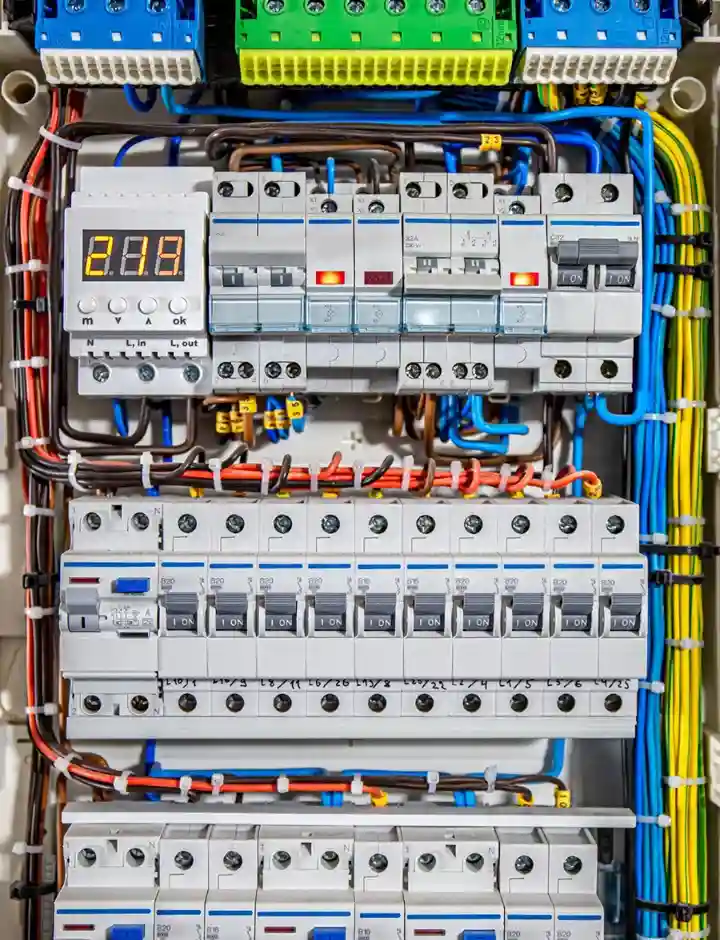
In modern Electrical engineering, control engineering, and industrial automation, efficiency and structural organization are paramount. Passing dozens of single wires through conduits, cable trays, or equipment enclosures quickly leads to messy installations, increased labour costs, high maintenance complexity, and an elevated likelihood of cross-wiring errors.
Enter the multi conductor cable—a streamlined solution designed to bundle multiple insulated conductors safely inside a single protective jacket. Whether powering heavy industrial automation, transmitting sensitive sensor signals, or enabling smart building management systems, multi conductor cables serve as the functional nervous system of modern electrical infrastructures.
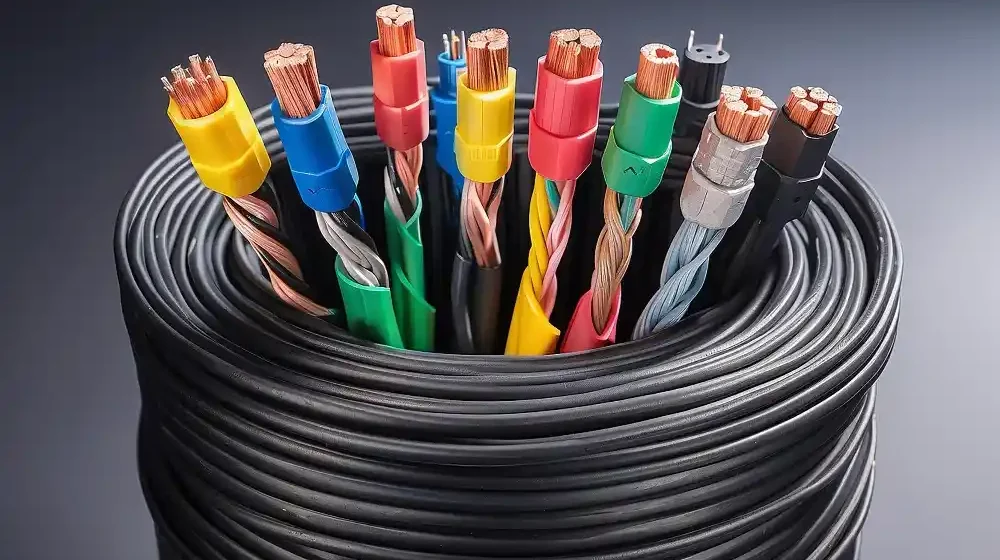
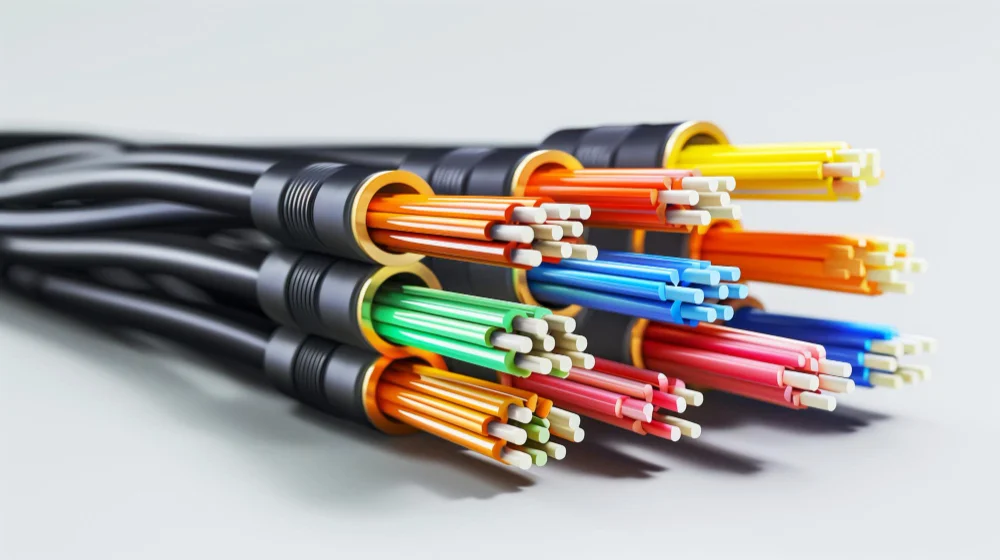
A multi conductor cable is an electrical cable that contains two or more separately insulated conductors (wires) wrapped inside an outer protective sheath or jacket. Unlike single-conductor wires, which transmit a single electrical path, a multi conductor cable allows multiple independent power lines, control circuits, or signal paths to run simultaneously within a single compact Cable assembly.
To understand how a multi conductor cable functions, it is essential to examine its internal construction layer by layer:
1. Conductors (The Core)
The conductors are the metallic pathways that carry electric current or signals.
2. Insulation
Each individual conductor within the multi conductor cable must be insulated to prevent short circuits, cross-leakage, and Electrical shocks. Common materials include:
3.Fillers and Binders
To ensure the multi conductor cable maintains a round profile and structural integrity under tension, fillers (such as jute, polypropylene, or cotton threads) are embedded between conductors to eliminate hollow air gaps. Synthetic binding tape is wrapped around the core bundle to keep the conductors tightly secured during bending.
4.Shielding
When a multi conductor cable operates near high electromagnetic fields (electric motors, transformers, Wireless transmitters), electromagnetic interference (EMI) can corrupt signals.
5.Outer Jacket
The outermost layer protects internal components from Mechanical abrasion, chemicals, UV radiation, moisture ingress, and thermal stress. Popular jacket compounds include PVC, Polyurethane (PUR), Neoprene, and Low Smoke Zero Halogen (LSZH) materials.
Engineers and electrical installers consistently specify multi conductor cable designs over individual single-conductor wires due to several clear operational benefits:
Choosing the wrong multi conductor cable specification can lead to early cable degradation, Electrical faults, or unscheduled downtime. Use this selection framework before buying:
1. Operating Voltage and Amperage Requirements
Check that the voltage rating (e.g., 300V, 600V, or 1000V) meets your system parameters. Size the conductor cross-section (AWG or mm²) appropriately for the current load to prevent excessive resistance heating and voltage drops.
2.Environmental & Exposure Conditions
3. Motion & Flexing Dynamics
Match the internal stranding and outer jacket properties to the mechanical duty cycle:
4. Shielding Demands
If your multi conductor Cable runs parallel to high-voltage equipment, variable frequency drives (VFDs), or wireless arrays, select a shielded version (foil, braid, or combination) to safeguard signal integrity.
5. Regulatory Compliance
Ensure the chosen cable holds all necessary industry approvals for your region and application
1.What is the difference between multi-conductor and multi-pair cables?
Multi-conductor cables bundle individual wires together. Multi-pair cables twist wires into pairs first to block signal interference and crosstalk.
2.How do I select the right wire gauge (AWG)?
Match AWG to your current load and distance. Higher amperage or longer runs require thicker wires (lower AWG) to prevent power loss and overheating.
3.When is shielding required?
Use shielding when running sensitive data or control lines near heavy electrical noise from motors, VFDs, or high-voltage equipment.
4.Can these cables be buried underground?
Only cables explicitly rated for direct burial (such as Type UF-B) can be buried without protective conduit.
Multi-conductor cables simplify electrical systems by bundling power, signal, and control lines into a single durable jacket. Selecting the right voltage, gauge, shielding, and jacketing ensures a safe, cost-effective, and reliable installation across industrial and commercial environments.