- 3876 Industrial Ave, Rolling Meadows, IL 60008
- Info@auctuselectro.com

- 3876 Industrial Ave, Rolling Meadows, IL 60008
- Info@auctuselectro.com
Alluminum Wire Cable
- Home
- Alluminum Wire Cable
Aluminum Wire Cable Systems: Uses, Benefits & Safety Tips
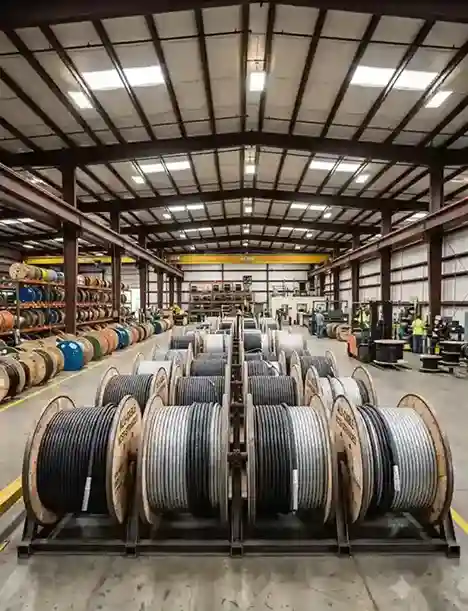
Aluminium Wire Cable, When planning heavy-duty power distribution, infrastructure upgrades, or commercial construction, selecting the right conductive material is essential. Over the decades, aluminum wire cable installations have grown rapidly, establishing aluminum as a reliable, high-performance alternative to traditional copper Cables.
Modern engineering and alloy developments have transformed aluminum wire cable designs, making them safer, lighter, and far more cost-effective for large-scale electrical applications.
What is an Aluminum Wire Cable?
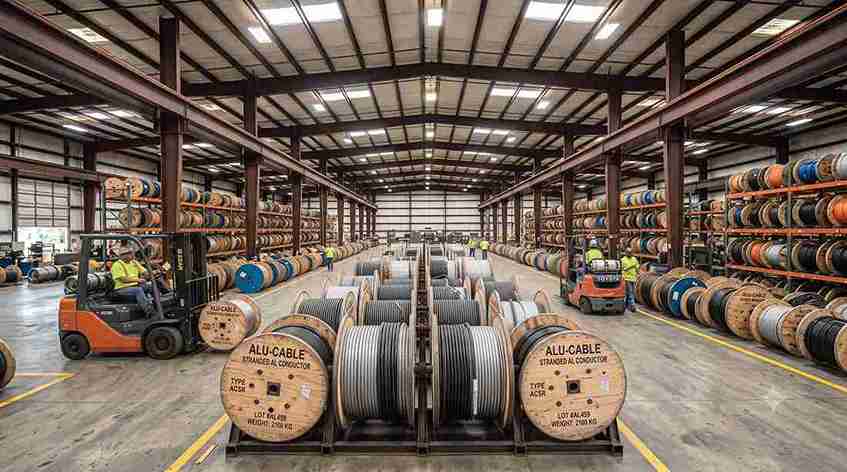
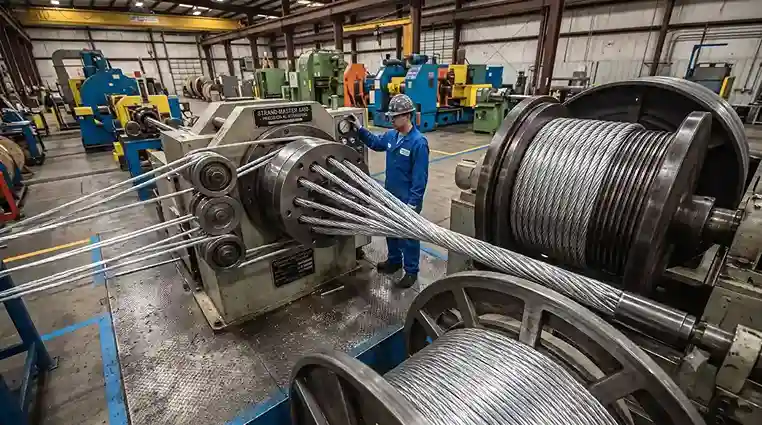
An aluminum wire cable consists of one or more stranded aluminum conductors insulated by heavy-duty protective jacketing such as XLPE or PVC. While smaller indoor branch circuits often stick to copper, heavy feeder lines and main service setups rely heavily on aluminum Wire cable assemblies due to their exceptional power handling relative to their weight.
Key Benefits of Aluminum Wire Cable
- Cost-Effective Infrastructure: Aluminum offers significant material savings, dramatically lowering overall budget requirements for long cable runs.
- Lightweight Construction: Weighing roughly one-third as much as copper, it reduces structural stress on trays, conduits, and support poles.
- High Conductivity-to-Weight Ratio: Delivers superior power transmission over long distances relative to the total weight of the line.
- Corrosion Resistance: Modern alloy formulations form a stable oxide layer that protects against environmental wear and moisture degradation.
Aluminum Wire Cable vs. Copper Cable
Aluminum Wire Cable
- Weight: Extremely lightweight; easy to maneuver through complex conduit networks
- Cost: Budget-friendly for high-amperage, main feeder, and distribution lines
- Handling: Highly flexible in large gauges; lower tensile strain on support hardware
- Best For: Main Service entrances, utility grids, sub-panels, and commercial feeders
Copper Cable
- Weight: Significantly heavier and denser
- Cost: Higher cost per foot, especially in larger cable diameters
- Handling: Stiffer in heavy gauges; requires strong structural supports
- Best For: Compact branch wiring, household outlets, and specialized machinery
Common Applications
- Utility Distribution Networks: Overhead and underground power lines rely heavily on aluminum wire cable for efficient power transmission.
- Main Service Entrances: Connecting utility transformer lines directly to commercial and residential main distribution panels.
- Sub-Panel Feeders: Carrying bulk electricity from the main breaker panel to auxiliary Panels across large buildings or industrial facilities.
- Renewable Energy Installations: Powering solar farms and wind turbine arrays where long cable runs require lightweight, economical wiring.
Best Practices for Safe Installation
- Use Compatible Terminals: Always connect aluminum wire cable ends to lugs and breakers clearly marked AL-CU or AL9CU to prevent galvanic reactions.
- Apply Joint Compound: Coat exposed strands with anti-oxidant paste to prevent oxidation and maintain low electrical resistance.
- Select Proper Cable Sizing: Compensate for aluminum’s electrical properties by choosing a cable size 1 to 2 gauges larger than a copper equivalent.
- Torque Lugs Accurately: Use a calibrated torque wrench on panel Connections to prevent loosening caused by thermal expansion cycles.
Frequently Asked Questions (FAQs)
1.Is aluminum wire cable safe for modern electrical installations?
yes.Modern AA-8000 series building cables are safe, code-compliant, and widely standard when installed with rated lugs and anti-oxidant paste.
2.Can you splice aluminum wire cable directly to copper cable?
No.Direct contact between aluminum and copper causes galvanic corrosion. You must use specialized AL/CU connectors or dual-rated lugs.
3.Why is aluminum wire cable preferred for heavy feeder lines?
It provides massive cost savings on thick gauge wires while being much easier for electricians to pull through long conduit runs.
4.Does aluminum wire cable require special maintenance?
Aside from initial anti-oxidant application and proper torqueing during installation, correctly installed cables require no extra maintenance.
Conclusion
In conclusion, aluminum wire cable has proven to be an indispensable asset for modern power distribution, commercial infrastructure, and high-capacity electrical systems. By offering an exceptional balance of lightweight design, high conductivity-to-weight efficiency, and massive cost savings over long distances, it provides a smart and practical alternative to heavy copper wiring. When paired with proper installation practices—such as using AL-CU rated connectors, anti-oxidant joint compound, and correct gauge sizing—aluminum wire cable delivers maximum electrical safety, long-term durability, and reliable performance for all your heavy-duty wiring needs.
Go To Top