- 3876 Industrial Ave, Rolling Meadows, IL 60008
- Info@auctuselectro.com

- 3876 Industrial Ave, Rolling Meadows, IL 60008
- Info@auctuselectro.com
TPS Cable
- Home
- TPS Cable
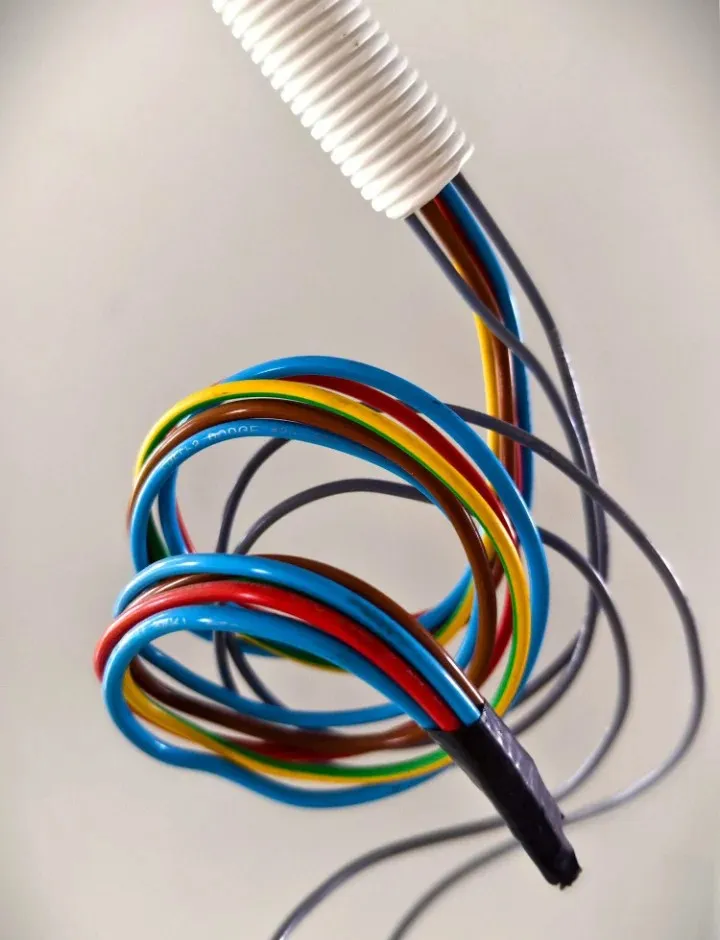
TPS Cable: Understanding Its Uses, Benefits, and Applications
When it comes to Electrical wiring, choosing the right type of cable is important for safety, performance, and long-term reliability. Different electrical systems require different cable constructions depending on where and how the cable will be installed. One term that often comes up in electrical and wiring applications is TPS cable.
TPS cable is designed with a protective outer sheath around insulated conductors, making it a practical option for various fixed wiring applications. Its construction can provide protection against everyday mechanical contact while keeping the conductors organized and protected.
What Is TPS Cable?
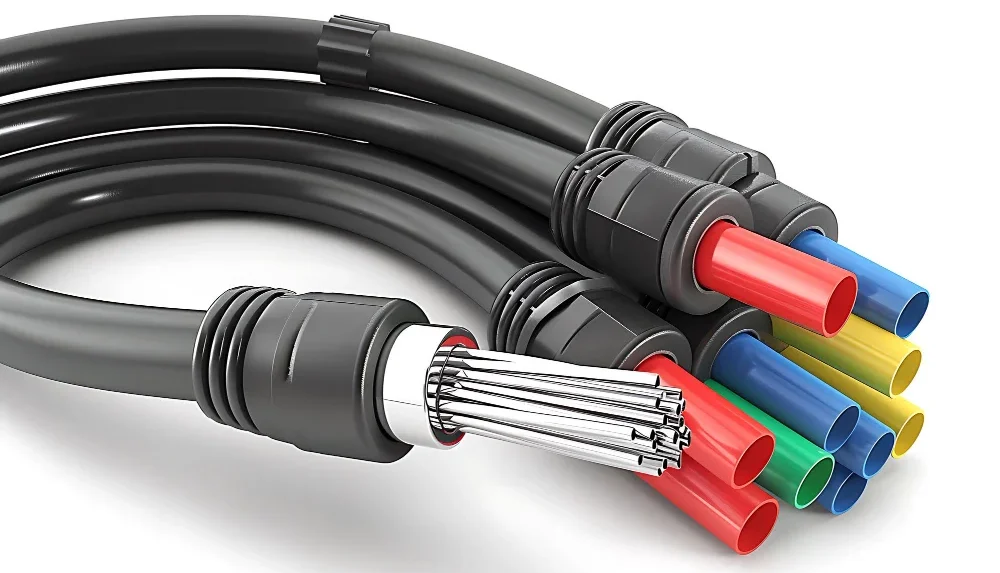
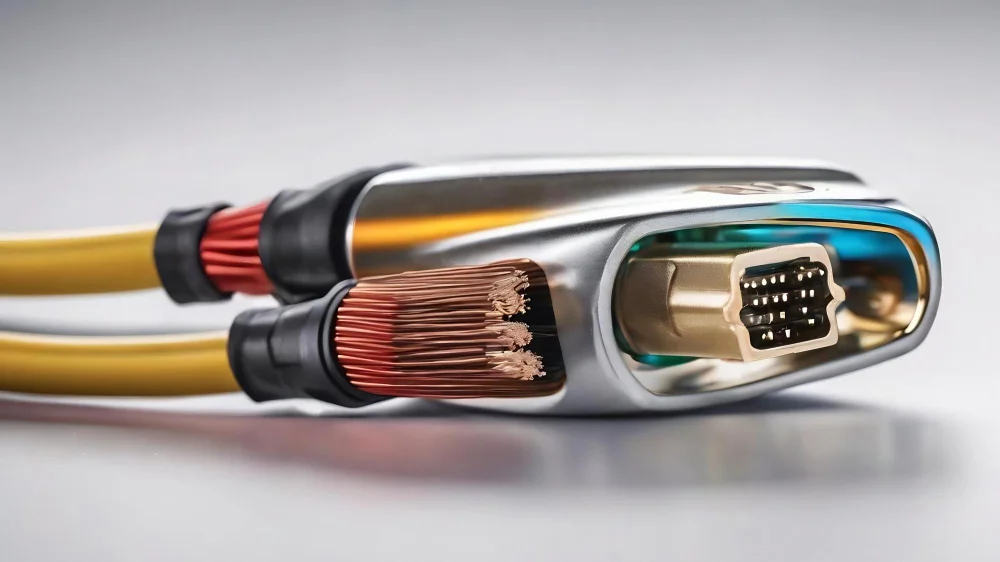
TPS cable generally refers to a cable with a Thermoplastic Sheathed construction. It typically contains one or more insulated Electrical conductors covered by an additional outer thermoplastic sheath. The inner conductors carry electrical current, while the outer sheath provides another layer of protection.
The exact construction, conductor arrangement, insulation, voltage rating, and applicable standards can vary depending on the Cable type and market. Therefore, it is important to check the manufacturer’s specifications before selecting a TPS cable for a particular electrical installation.
How Does TPS Cable Work?
The basic purpose of TPS cable is straightforward: it safely carries electrical power or signals while providing physical protection around the conductors. Inside the cable, the individual conductors are insulated to prevent unwanted contact between them. A thermoplastic outer sheath then surrounds the insulated conductors.
This outer layer can help protect the cable from normal handling, abrasion, and other environmental factors encountered during suitable installations. However, cable selection should always be based on the specific installation conditions rather than appearance alone.
Key Benefits of TPS Cable
1.Protective Outer Sheath
One of the main features of TPS Cable is its outer sheath. The sheath helps keep the internal conductors together and provides additional mechanical protection. This can make installation more convenient while reducing exposure of the insulated conductors to the surrounding environment.S cable.
2.Practical Construction
TPS cable is designed with a protective outer sheath around insulated conductors, making it a practical option for various fixed wiring applications. Its construction can provide protection against everyday mechanical contact while keeping the conductors organized and protected.
3.Easy Identification
Cable Manufacturer can produce TPS cables with different conductor colors and markings. Clear identification is useful during installation and maintenance because electricians and technicians need to understand which conductor performs each function. Proper identification can also make troubleshooting easier when working on an electrical system.
4.Suitable for Various Applications
TPS cable can be used in a range of fixed Electrical wiring situations when the cable specification matches the requirements of the application. Its practical construction makes it relevant to building wiring, equipment wiring, control systems, and other electrical applications depending on the specific cable rating and local requirements.
5.Multiple Sizes and Configurations
TPS cables can be available in different conductor sizes and configurations. The appropriate size depends on factors such as current requirements, installation method, temperature, allowable voltage drop, and applicable electrical codes. Electrical performance and safety requirements should always come first.
Where Is TPS Cable Used?
TPS cable is associated primarily with fixed wiring applications, although the exact permitted uses depend on the cable’s construction and applicable standards.
Residential Wiring
Certain TPS cable types are used in residential electrical installations for applications such as lighting and power Circuit. However, the specific cable type must comply with the electrical requirements applicable to the location.
Commercial Buildings
Commercial buildings contain extensive electrical infrastructure for lighting, outlets, equipment, controls, and other systems. Appropriately rated sheathed cables can help organize and protect wiring in suitable fixed installations.
Industrial Equipment
The cable must be selected according to the operating environment. Applications involving oils, chemicals, extreme temperatures, continuous movement, or significant Mechanical stress may require a specialized cable rather than a standard TPS cable.
Electrical Equipment
TPS-type constructions can also be relevant to certain equipment wiring applications. The important point is to match the cable’s electrical and environmental characteristics to the equipment manufacturer’s requirements.
Why Cable Quality Matters
The quality of an electrical cable can affect the reliability and safety of the entire system. A poorly selected cable may experience overheating, insulation damage, premature aging, or other problems when used outside its intended conditions.
A quality TPS cable should have clearly defined specifications, consistent construction, appropriate insulation, and traceable Manufacturing information. When purchasing cable for a commercial or industrial project, it is worth asking the supplier for technical specifications and documentation rather than choosing based only on price.
Frequently Asked Questions about TPS Cable
1.What is TPS cable
TPS cable is a thermoplastic-sheathed cable used for various electrical wiring applications.
2.What are the benefits of TPS cable?
It offers insulation, protection, durability, and practical installation for suitable wiring applications.
3.Can TPS cable be used outdoors?
Only if the specific TPS cable is rated for outdoor conditions. Always check the manufacturer’s specifications.
4.Is TPS cable flexible?
Its flexibility depends on its construction, but many TPS cables are designed mainly for fixed installations.
5.Where is TPS cable used?
TPS cable can be used in residential, commercial, industrial, and equipment wiring applications where its specifications are appropriate.
6.How do I choose the right TPS cable?
Consider conductor size, voltage, temperature, installation conditions, flexibility, and applicable electrical standards.
Conclusion
TPS cable is a practical choice for many electrical wiring applications because it combines insulated conductors with a protective outer sheath. It can help provide reliable performance, durability, and organized installation when used under the right conditions. From residential wiring to commercial and industrial applications, the correct TPS cable can support safe and efficient electrical systems. However, cable selection should always consider factors such as conductor size, voltage rating, temperature, installation environment, and applicable electrical standards. Choosing a quality cable from a trusted supplier can help improve long-term reliability and reduce potential wiring problems. Always make sure the selected TPS cable matches the specific requirements of your project.

Go To Top