- 3876 Industrial Ave, Rolling Meadows, IL 60008
- Info@auctuselectro.com

- 3876 Industrial Ave, Rolling Meadows, IL 60008
- Info@auctuselectro.com
Printed Circuit Board Assembly
- Home
- Printed Circuit Board Assembly
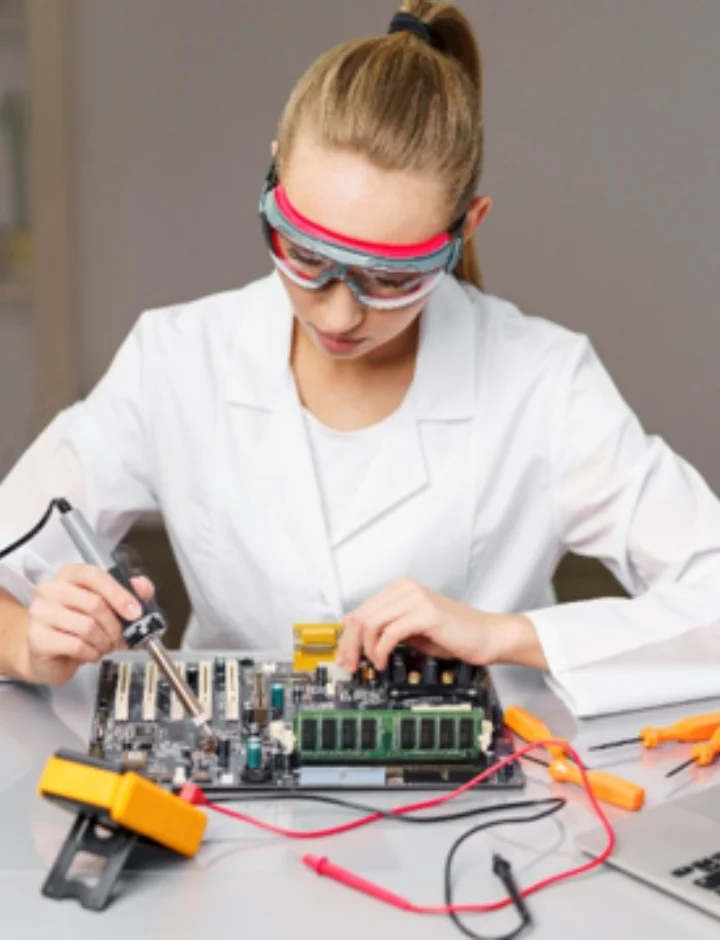
Printed Circuit Board Assembly (PCBA): Essential Best Practices for Scalable Electronics Manufacturing
Printed Circuit Board Assembly (PCBA) forms the core foundation of modern Electronic devices. Transforming a bare circuit board into a fully functional electronic unit requires precise execution across surface mount technology, through-hole soldering, and thorough functional testing.
For Original Equipment Manufacturers (OEMs), achieving high production yields and long-term product reliability requires working with an experienced assembly partner capable of executing complex board builds without compromising on speed or quality.

Understanding the PCBA Process
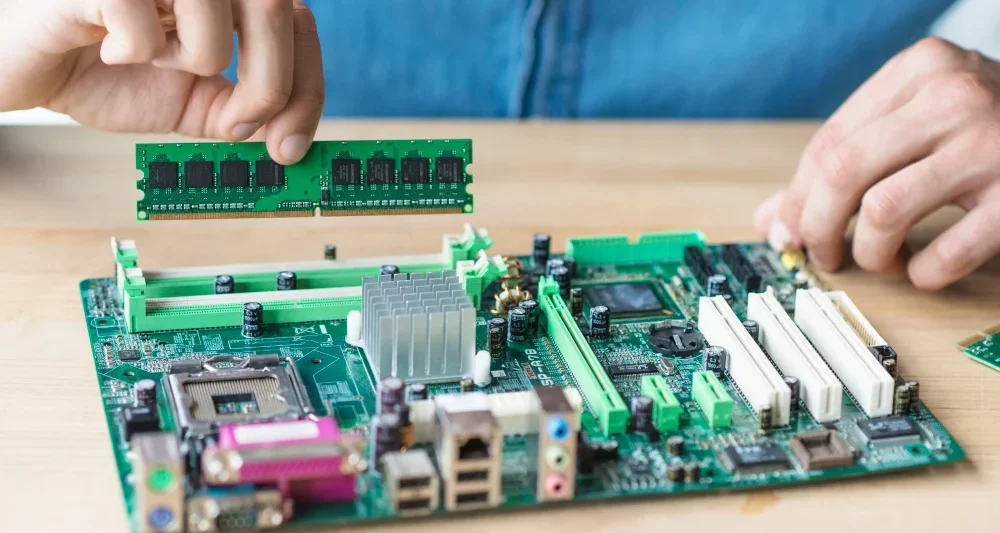
Printed Circuit Board Assembly involves placing active and passive components onto a printed circuit board to create a complete, working electronic circuit. Depending on design density, performance requirements, and thermal constraints, PCBA relies on three primary Assembly methods:
Primary PCB Assembly Techniques:
- Surface Mount Technology (SMT): High-speed automated placement of surface-mount components directly onto solder paste printed on the PCB surface. Ideal for compact, high-density designs.
- Through-Hole Technology (THT): Manual or automated insertion of leaded components into plated through-holes. Preferred for heavy-duty power components requiring strong Mechanical
- Mixed Technology Assembly: A combination of SMT and THT methods on a single board, balancing compact component density with mechanical durability for connectors and high-power parts.
Key Advantages of Professional PCB Assembly Services
- Optimized Production Yields: Automated surface mount placement equipment reduces component placement errors and increases total unit throughput.
- Proactive DFM Reviews: Early Design for Manufacturability evaluations detect component footprint mismatches, thermal trace issues, and layout errors before mass production.
- Comprehensive Quality Assurance: Integrated Inspection methods—including Automated Optical Inspection (AOI), X-ray inspection for BGA packages, and functional testing—ensure defective-free boards.
- Flexible Sourcing Options: Full turnkey Assembly handles total component procurement, while consignment options allow OEMs to supply specialized components directly.
Critical Applications Across Industry Sectors
High-reliability PCB assemblies serve as the processing heart for critical equipment across diverse industrial and commercial sectors:
- Industrial Controls & Automation
Industrial automation systems require durable circuit assemblies built to withstand harsh electrical noise, thermal stress, and continuous operational cycles.
- Medical Devices & Equipment
Medical instrumentation demands zero-defect board builds. Strict quality control protocols ensure reliable operation across diagnostic monitors, imaging units, and patient treatment devices.
- Transportation & Heavy Machinery
Printed circuit board assemblies used in automotive and transit applications are built with ruggedized solders and protective conformal coatings to resist moisture, vibration, and temperature extremes.
Evaluating the Right PCB Assembly Partner
Selecting an assembly provider requires assessing their technical capabilities and quality management processes:
- Inspection & Testing Capabilities: Ensure the partner utilizes AOI, X-ray inspection, and customized in-circuit functional testing.
- Component Sourcing & Traceability: Verify that the Manufacturer maintains strict supply chain controls to prevent counterfeit components from entering production.
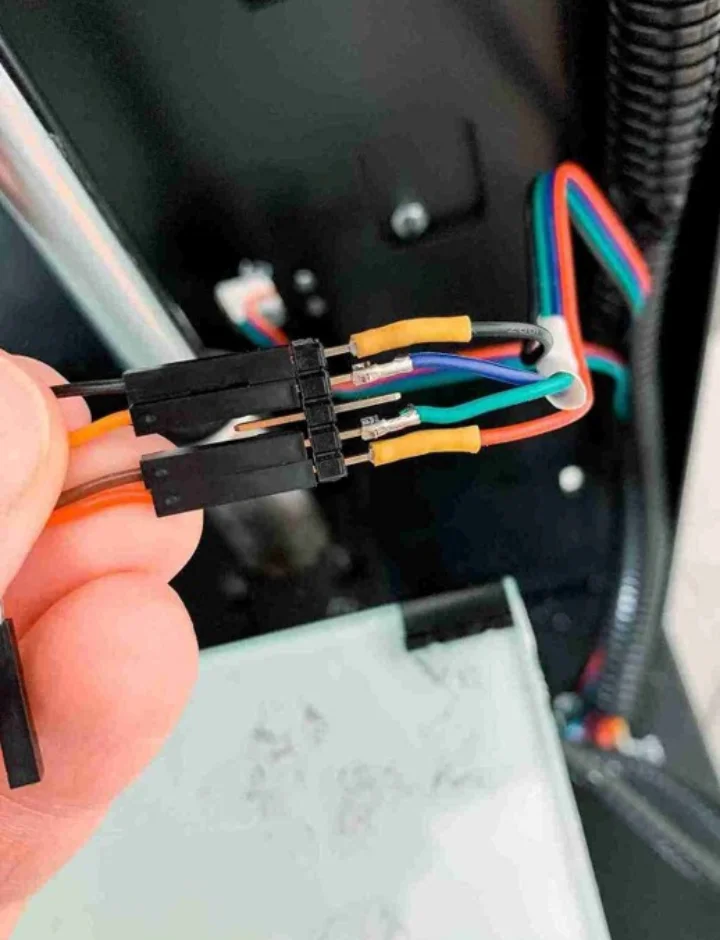
- Box Build Integration: Look for partners that offer full system integration, wiring harness connection, and final enclosure assembly alongside board manufacturing.
Frequently Asked Questions (FAQs)
1.What is the difference between PCB and PCBA?
A PCB is a bare, unpopulated board. PCBA is the completed board with all electronic components soldered and fully functional.
2.Why is Design for Manufacturability (DFM) important?
DFM catches design flaws, footprint errors, and component shortages early, saving high redesign costs and production delays.
3.What is the advantage of combining PCBA and wire harness manufacturing?
Using a single vendor ensures total mechanical fit, speeds up total production time, and simplifies supply chain management.
Conclusion
Modern electronics manufacturing demands an integrated approach. Pairing precision PCBA with custom wiring harnesses and box build assembly under one expert partner ensures faster turnaround, higher quality control, and scalable success.

Go To Top