- 3876 Industrial Ave, Rolling Meadows, IL 60008
- Info@auctuselectro.com

- 3876 Industrial Ave, Rolling Meadows, IL 60008
- Info@auctuselectro.com
Electrical Control Panel Assembly
- Home
- Electrical Control Panel Assembly
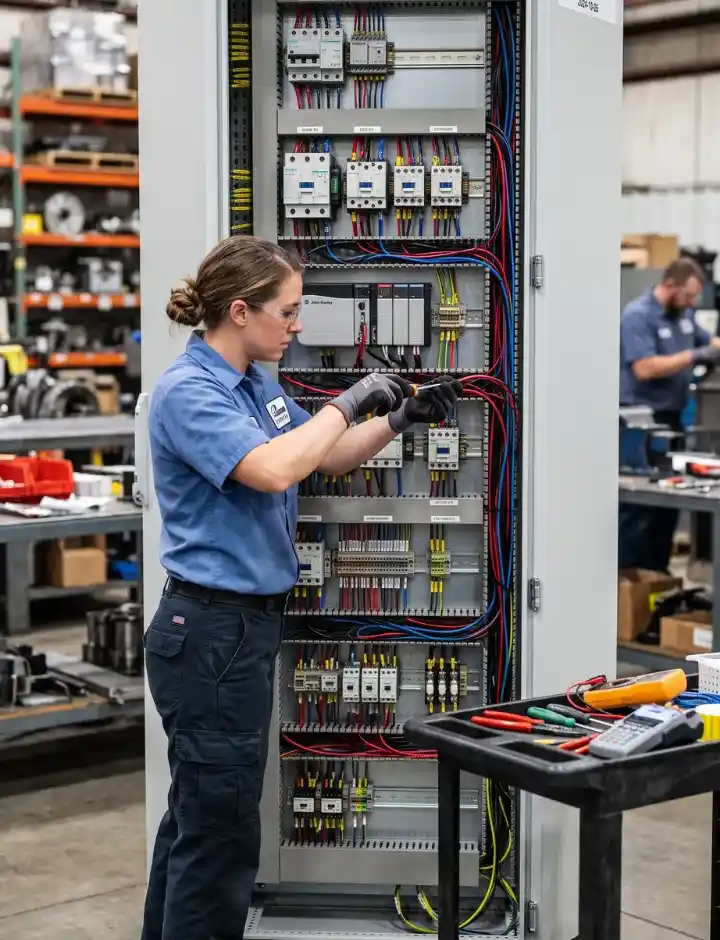
Electrical Control Panel Assembly: Building Reliable Industrial Control Systems
Modern factories and automated production facilities depend on Electrical control systems to keep machines operating safely and efficiently. At the center of many of these systems is a control panel that connects power, automation equipment, sensors, motors, and communication devices.
Electrical control panel assembly is the process of installing, wiring, labeling, inspecting, and testing these components inside an electrical enclosure. A properly assembled panel provides an organized connection between different parts of an industrial system while making maintenance and troubleshooting easier.
For manufacturers in the USA, selecting the right control panel assembly partner can help improve consistency, reduce wiring problems, and support the long-term reliability of automated equipment.
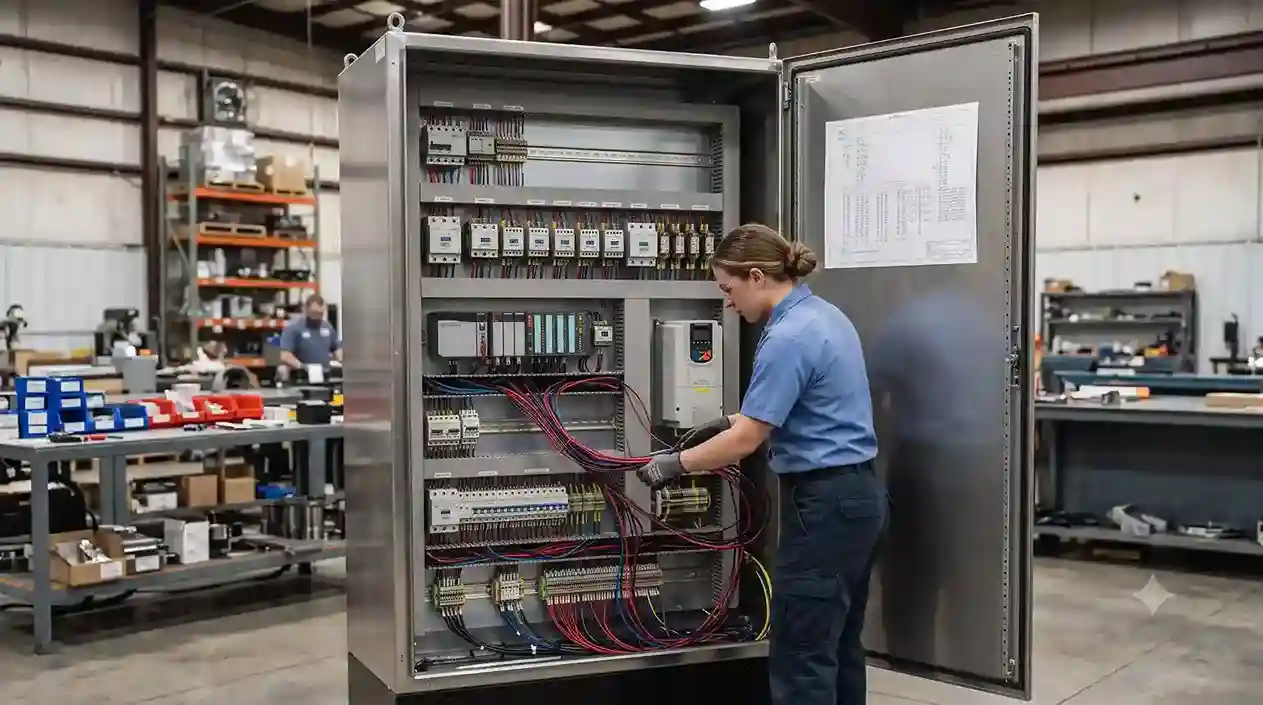
What Is an Electrical Control Panel Assembly?
An electrical control assembly contains the electrical and automation components required to control a machine or industrial process. The exact design depends on the application, power requirements, operating environment, and automation system.
- Common components include Circuit breakers and fuses
- Programmable logic controllers (PLCs)
- Variable frequency drives (VFDs)
- Contactors and motor starters
- Relays and safety relays
- Terminal blocks
- DC power supplies
- Transformers
- Push buttons and selector switches
- Industrial communication devices
Why Proper Control Panel Assembly Matters
A poorly organized control panel can make troubleshooting difficult and increase the possibility of wiring mistakes. Unlabeled conductors, crowded components, and inconsistent wire routing can waste valuable maintenance time.
Professional electrical control panel assembly creates a structured layout in which components and connections can be easily identified.
- A well-assembled panel can provide:
- Easier troubleshooting
- Better wire management
- Improved component accessibility
- Reduced wiring errors
- More consistent production
- Simpler maintenance
- Easier future modifications
Key Steps in Electrical Control Panel Assembly
1. Review the Engineering Drawings
The assembly process starts with the electrical schematic, panel layout, bill of materials, and customer requirements. The production team needs to understand the purpose of every component and connection before beginning the assembly. Reviewing the documentation carefully helps prevent mistakes and reduces the need for costly changes later.
2. Prepare the Enclosure
The enclosure protects the internal components from the surrounding environment. Its size and configuration depend on the number of components, heat, generation, installation location, and required protection. Mounting plates, DIN rails, terminal blocks, and wire ducts are positioned according to the approved panel design.
3. Mount the Components
Electrical components are installed in their specified locations. Good component placement considers accessibility, wiring paths, heat management, and future servicing.
4. Route and Manage the Wiring
Wire routing is an important part of control panel assembly. Conductors should be arranged through suitable wire ducts and routed according to the electrical design.
Power circuits and sensitive control or communication wiring may require appropriate separation to reduce the possibility of electrical interference.
Neat wire management also makes it easier for technicians to follow the schematic and locate individual circuits.
5. Terminate and Label the Wires
Each conductor must be terminated correctly and identified according to the project documentation. Ferrules or other suitable termination methods may be used with stranded conductors when appropriate for the terminal and application. Clear wire labels are equally important. When wire numbers and terminal references match the electrical drawings, technicians can trace circuits more efficiently during maintenance.
Testing and Quality Control
Testing is an essential part of electrical control panel assembly. A completed panel should be inspected to verify that the physical assembly matches the approved design.
Depending on the project, testing may include:
- Point-to-point wiring verification
- Continuity testing
- Insulation or dielectric testing where applicable
- Terminal torque verification
- Component inspection
- Wire label verification
- Visual inspection
- Functional testing
Separating Power and Control Wiring
Industrial control panels can contain different types of electrical circuits. High-power conductors may operate motors and other equipment, while lower-voltage wiring may carry signals from sensors, PLCs, and communication devices. If these circuits are routed without proper consideration, electrical interference can affect sensitive signals. For this reason, control panel layouts should provide appropriate routing and separation based on the system design and equipment manufacturer’s requirements.
Designing Panels for Long-Term Maintenance
A control panel needs to remain useful long after the initial installation. Technicians may need to replace components, test circuits, modify wiring, or add new equipment in the future. A panel with clear labels, organized wiring, accessible components, and accurate documentation makes these tasks much easier. Good panel assembly therefore considers both present requirements and possible future maintenance. Clear documentation is particularly valuable when different technicians or maintenance teams work on the equipment over time.
Choosing the Right Control Panel Assembly Partner
When selecting an electrical control panel assembly manufacturer, price should not be the only consideration. Manufacturers should look at the supplier’s experience, engineering capabilities, quality procedures, testing process, documentation, production capacity, and ability to follow customer specifications. It can also be beneficial to work with a manufacturer that provides related services such as wire harness assembly, electromechanical assembly, PCB assembly, enclosure fabrication, and engineering support.
For companies in the USA, working with a domestic manufacturing partner can also simplify communication and project coordination.
Electrical Control Panels for Modern Automation
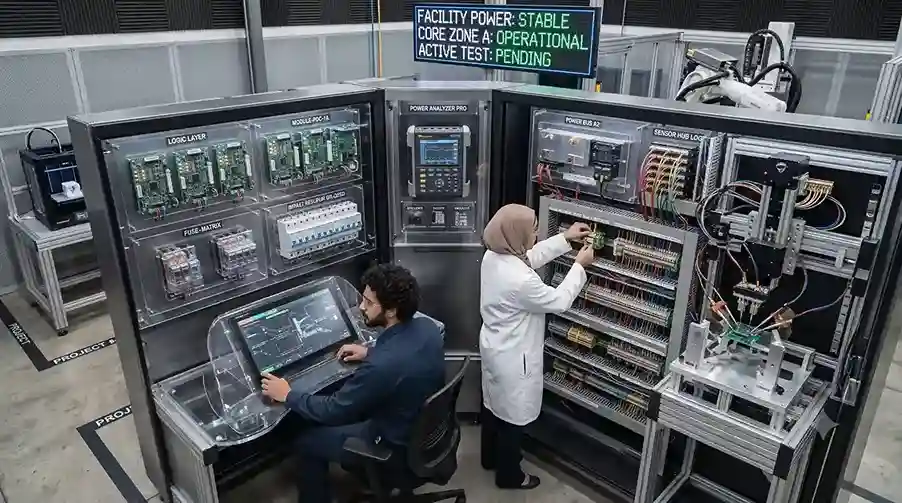
Industrial automation is becoming increasingly connected. Today’s control panels may communicate with PLCs, HMIs, sensors, variable frequency drives, safety systems, and industrial networks. As automation systems become more complex, organized panel construction becomes even more important. A carefully designed control panel provides a reliable physical foundation for automation equipment while allowing manufacturers to maintain, upgrade, and expand their systems as requirements change.
Frequently Asked Questions (FAQs)
1. What is electrical control panel assembly?
Electrical control panel assembly is the process of mounting, wiring, labeling, inspecting, and testing electrical and automation components inside a control enclosure according to an approved design.
2. What components are commonly installed in a control panel?
Common components include circuit breakers, PLCs, contactors, relays, terminal blocks, power supplies, VFDs, fuses, safety devices, and communication equipment.
3.Why is wire labeling important?
Wire labeling helps technicians identify circuits and compare physical wiring with electrical drawings. This can make troubleshooting, maintenance, and future modifications easier.
4.Why should control panel wiring be organized?
Organized wiring improves accessibility and makes it easier to inspect and troubleshoot the panel. Proper routing can also help maintain appropriate separation between different types of electrical circuits.
Conclusion
Reliable automation starts with a properly designed electrical foundation. Electrical control panel assembly brings together the components, wiring, protection devices, and control equipment needed to operate modern industrial machinery. From reviewing engineering drawings to mounting components, routing wires, labeling conductors, and completing final testing, each stage contributes to the quality of the finished panel. For industrial manufacturers, an experienced assembly partner can provide the technical knowledge and production capabilities needed to build consistent, reliable control panels.

Go To Top