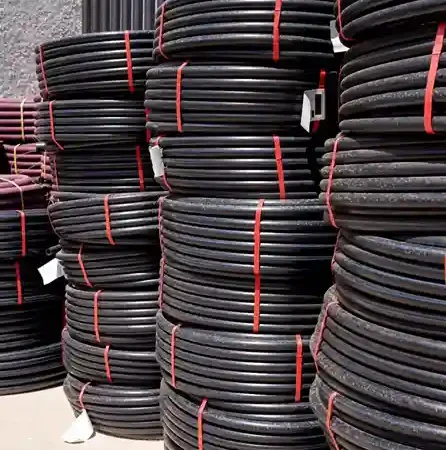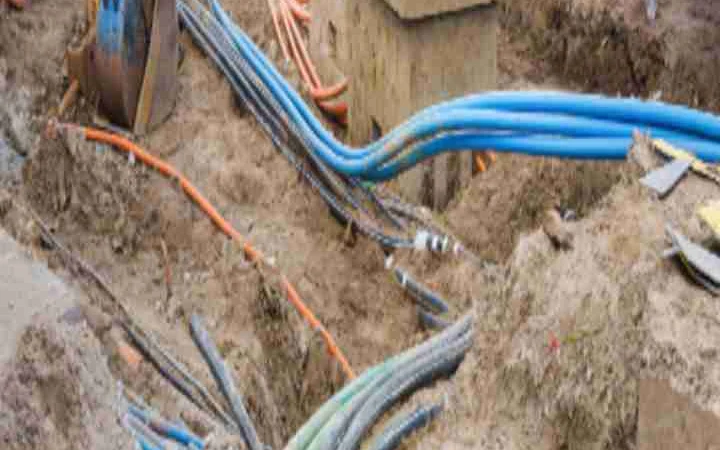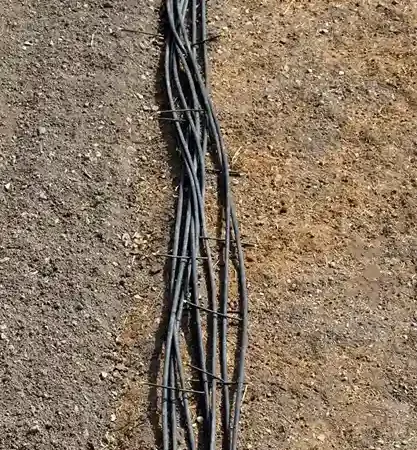
Preserving underground steel pipelines, fuel storage tanks, offshore platforms, and reinforced concrete structures against galvanic corrosion is a critical engineering challenge. Metal structures buried in damp soil or submerged in seawater naturally undergo electrochemical oxidation, leading to structural thinning and catastrophic leaks. Consequently, installing a specialized Cathodic Protection Cable array has become a universal safety mandate for infrastructure operators across the USA. Operating within Impressed Current Cathodic Protection (ICCP) systems, these direct-burial conductors supply continuous DC current from surface rectifiers to buried sacrificial anodes. Therefore, deploying chemical-resistant corrosion protection wiring directly stops metal degradation, extends asset lifespans, and prevents environmental disaster.
In this article
Preventing Insulation Breakdown in Harsh Anode Groundbeds
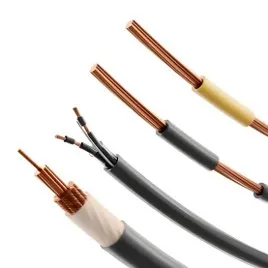
Exposing standard electrical wiring to deep-well anode groundbeds creates severe material degradation. Chlorine gas, hydrogen sulfide, hydrocarbon solvents, and acidic moisture generated around active anodes quickly attack standard PVC insulation. Furthermore, any pinhole or jacket rupture allows DC current to leak, causing rapid copper conductor corrosion and system failure. However, deploying a dual-insulated cathodic protection cable eliminates these underground hazards through multi-layer fluoropolymer shielding. Dual-jacketed designs prevent chemical penetration and physical crushing during backfilling. Consequently, your field installation crews can easily deploy a reliable Subterranean Corrosion Prevention Line that delivers continuous protection for decades.
Technical Specifications for ICCP Anode Lead Cabling
Selecting the correct conductor sizing, insulation fluoropolymers, and secondary jacketing is vital for surviving severe chemical environments. Understanding these technical specifications helps corrosion engineers select the ideal wiring for deep groundbeds.
Dual-Layer HALAR (ECTFE) / HMWPE Insulation Architecture
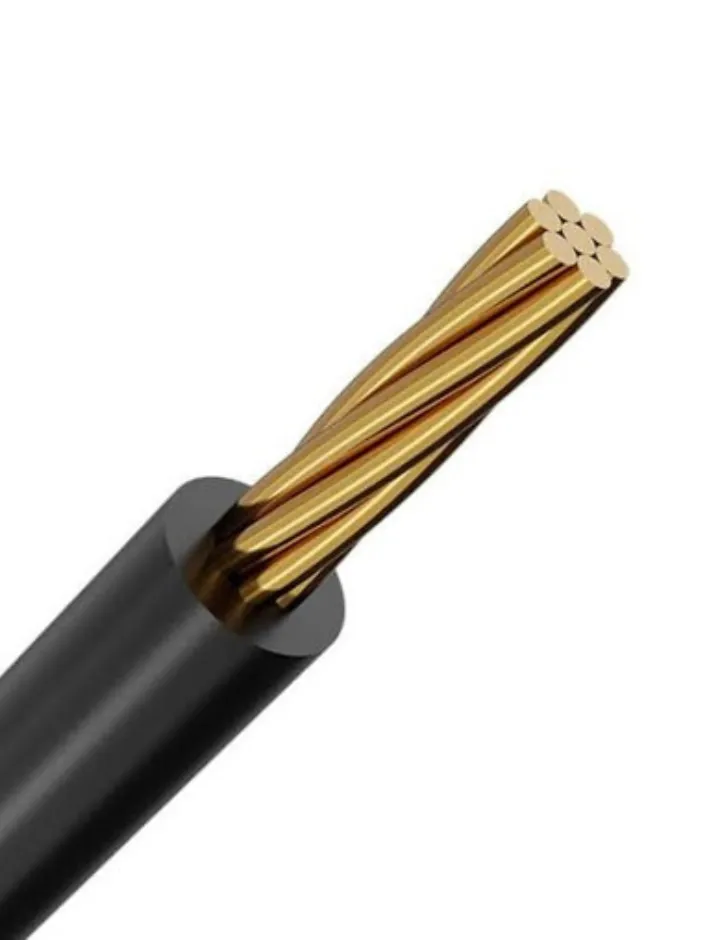
First, high-stress anode groundbeds generating chlorine and oxygen gases require specialized dual-jacket cable construction. Primary insulation made from HALAR (ECTFE) or Fluoropolymer (PVDF) provides exceptional chemical inertness against aggressive acids and chlorine gas. Furthermore, an outer jacket of High Molecular Weight Polyethylene (HMWPE) supplies high dielectric strength and mechanical abrasion resistance. Securing this level of chemical defense is straightforward when collaborating with a specialized Heavy-Duty Corrosion Wiring Partner.
High-Conductivity Stranded Copper and Low Resistance Parameters
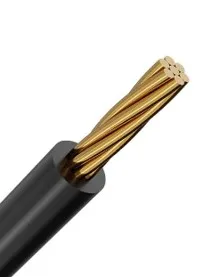
Second, maintaining long-distance cathodic current delivery requires low DC resistance along the entire cable run. Utilizing high-purity, stranded annealed copper conductors ensures high flexibility during deep-well installations while minimizing voltage drops. Furthermore, pairing fine-stranded copper cores with chemical-resistant insulation guarantees your Custom Impressed-Current Cable Assemblies maintain uncompromised electrical conductivity across decades of continuous DC current flow.
Strict Diagnostic Standards and Underground Quality Protocols
Verifying jacket integrity and zero pinhole defects is vital before lowering cables into deep anode wells. Every production reel undergoes multi-stage laboratory testing to meet strict NACE/AMPP standards.
Scans the outer jacket continuously during extrusion to detect microscopic pinholes or insulation voids.
Verifies conductor resistance values against ASTM B3 and B8 electrical standards.
Exposes insulation samples to concentrated chlorine gas, sulfuric acid, and hydrocarbons to verify zero swelling.
Tests HMWPE outer jacket resilience against sharp stone impact during trench backfilling.
Linking Anode Leads to Surface Rectifier Control Cabinets
Building a complete cathodic protection network requires routing positive anode feeds and negative structure return cables into surface DC rectifiers. To streamline this field wiring phase, corrosion engineering teams connect underground cables directly into a complete Rectifier Integration Framework. This organized layout simplifies current monitoring, speeds up potential testing, and ensures clean junction box terminations.
Comprehensive Electronics and Weather-Proof Cabinet Integration
Modern corrosion monitoring systems demand seamless coordination between subterranean anode cables, remote telemetry units, and outdoor control cabinets. Contracting a single full-service manufacturing partner simplifies vendor management and shortens lead times.
Interfacing Cathodic Lines with Remote Telemetry Boards
To ensure continuous compliance monitoring, negative return lines and reference electrode feeds must connect cleanly into digital telemetry modules. Linking your corrosion prevention pathways with high capacity Printed Monitoring Electronics Solutions protects sensitive data loggers against stray ground transients. Consequently, your monitoring equipment records pipe-to-soil potential accurately without experiencing data corruption. This manufacturing alignment guards your core monitoring cards against electrical ground faults.
Outdoor NEMA Enclosure Fabrication and System Assembly
Finally, surface DC rectifiers, junction boxes, and remote monitoring cards require heavy-duty physical housing to withstand severe weather and soil moisture. Full-service contract partners combine their specialized cable manufacturing with comprehensive Corrosion Control Engineering Support. This end-to-end capability allows you to source custom cathodic protection cable, junction test stations, and NEMA 4X stainless steel rectifier enclosures from a single trusted domestic partner like Auctus Electro.
Frequently Asked Questions (FAQs)
What is a cathodic protection cable, and where is it used?
A cathodic protection cable is a specialized direct-burial conductor used in Impressed Current Cathodic Protection (ICCP) systems. It carries direct current (DC) to sacrificial anodes and protected metal structures (such as pipelines, storage tanks, and well casings) to prevent soil and water corrosion.
Why is HALAR (ECTFE) insulation used on cathodic protection wire?
HALAR (ECTFE) insulation offers extreme chemical resistance against chlorine gas, oxygen, hydrogen sulfide, and aggressive acids generated at the anode during ICCP operation, preventing insulation degradation.
What is the difference between single-jacket HMWPE and dual-jacket HALAR/HMWPE cable?
Single-jacket HMWPE cable is suitable for mild, fresh water, or native soil ground beds where severe chemicals are absent. Dual-jacket HALAR/HMWPE cable features a HALAR primary layer for chemical protection and an HMWPE outer layer for physical toughness, making it essential for deep-well anode beds generating chlorine gas.
What wire gauges (AWG) are commonly used for cathodic protection systems?
Common sizes range from 10 AWG and 8 AWG for reference electrode leads up to 6 AWG, 4 AWG, 2 AWG, and 1/0 AWG for main rectifier-to-anode feed lines depending on current requirements and distance.
Where can I source certified cathodic protection cables in the USA?
You can partner with established domestic contract manufacturers like Auctus Electro to submit your project specifications and receive a comprehensive manufacturing quotation.
Conclusion
In conclusion, protecting buried infrastructure with certified cathodic protection cable systems is an indispensable investment in environmental safety, asset integrity, and regulatory compliance. By prioritizing dual-layer HALAR/HMWPE insulation, high-purity copper conductors, and spark-tested jacketing, you eliminate chemical breakdown and current leakage in harsh ground beds. A full-service partner like Auctus Electro delivers the specialized cable manufacturing, custom harness assembly capabilities, and integrated contract engineering support needed to keep your corrosion prevention systems operating flawlessly. Choose an engineered corrosion protection solution that drives your infrastructure longevity forward with safety, efficiency, and confidence.

Auctus Electro Assembly delivers a wide range of electrical solutions with fast turnaround times and reliable service. Wire harnesses, cable assemblies, box builds and electronics contract manufacturing from Rolling Meadows, IL.
Request a Quote