- 3876 Industrial Ave, Rolling Meadows, IL 60008
- Info@auctuselectro.com

- 3876 Industrial Ave, Rolling Meadows, IL 60008
- Info@auctuselectro.com
Battery Cable
- Home
- Battery Cable
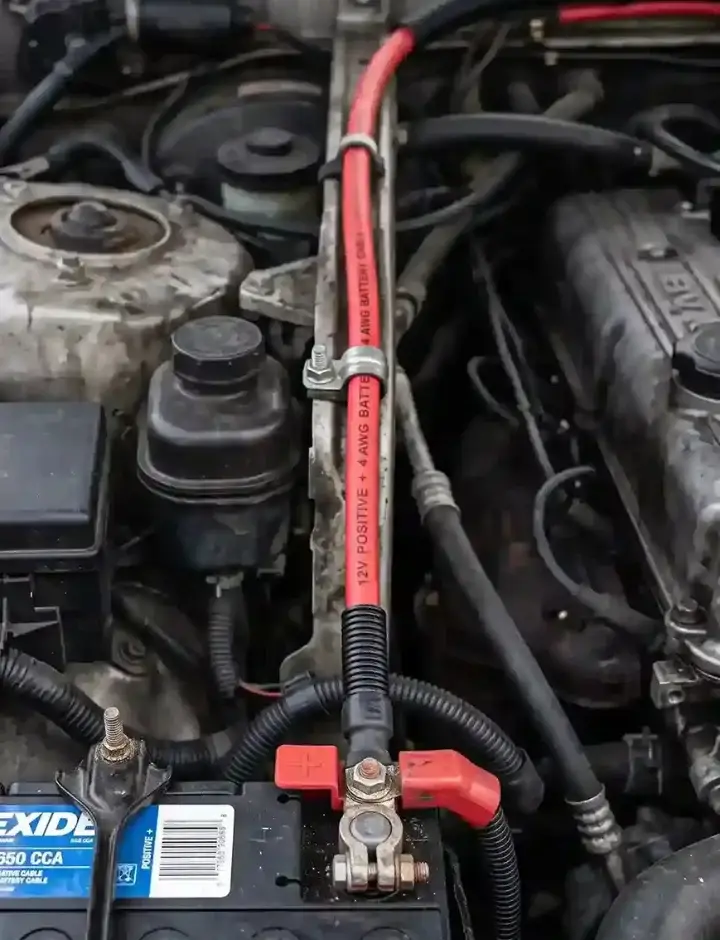
Optimizing High-Current Power Transfer with a Heavy-Duty Battery Cable
In modern electric vehicle platforms, industrial energy storage banks, and heavy machinery, power efficiency depends on raw conductor capacity. Massive current surges during engine cranking or high-voltage battery discharge generate intense thermal and electrical stress. Consequently, selecting a high-performance Battery Cable assembly is a vital engineering requirement for system designers across the USA. Heavy-gauge copper conductors ensure high power throughput while keeping voltage drop to an absolute minimum. Therefore, integrating certified heavy-duty power lines directly prevents starting failures, battery overheating, and costly power distribution losses.
Preventing High-Voltage Drop in High-Demand Energy Systems
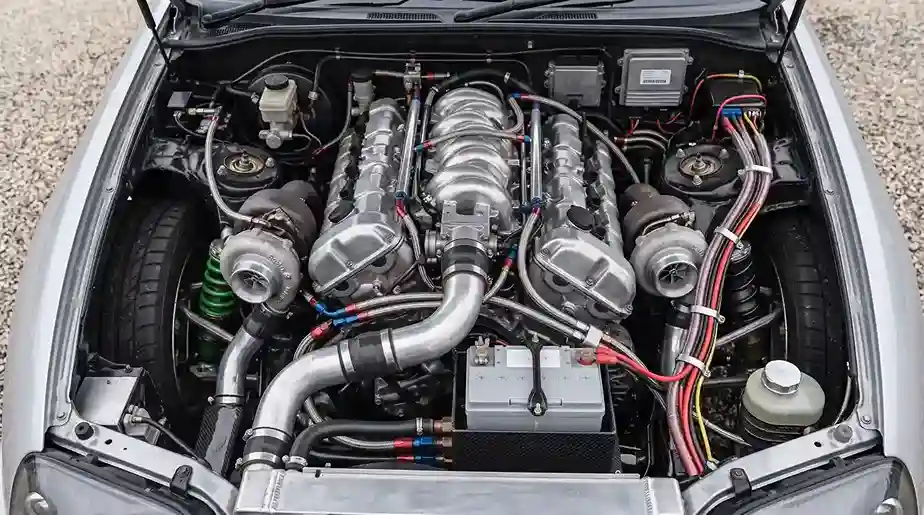
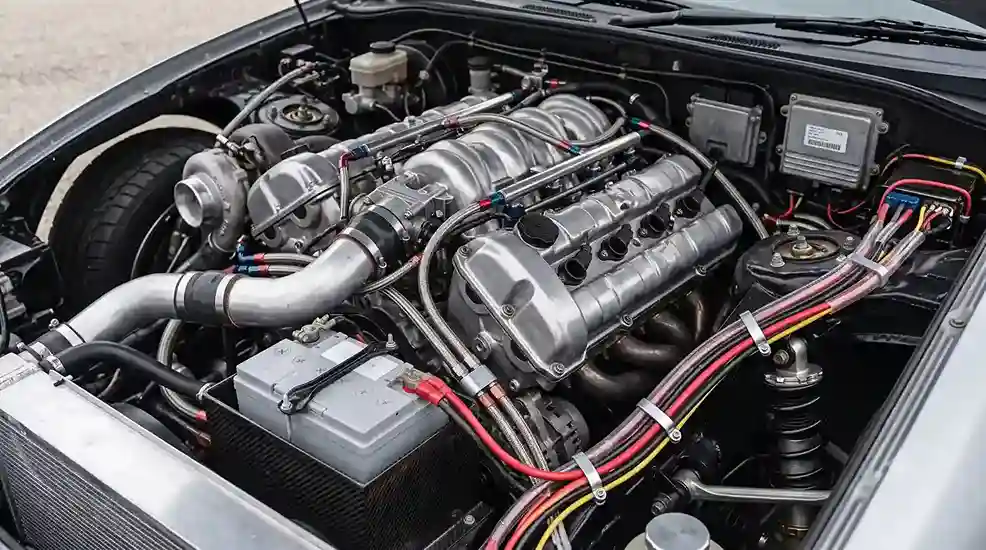
Connecting undersized or low-purity power conductors to high-capacity battery banks introduces severe operational safety risks. Undersized wires quickly overheat under continuous current loads, causing insulation breakdown and dangerous voltage dips. However, deploying a heavy-gauge, fine-stranded battery cable eliminates these severe transmission bottlenecks by maximizing total cross-sectional surface area. This physical design ensures maximum current flow even during rapid load spikes. This high-capacity power foundation allows you to route Heavy Power Distribution Lines through your equipment systems safely.
Technical Advantages of Deploying a Heavy-Duty Battery Cable
Sourcing custom high-voltage cable assemblies from a dedicated contract manufacturing partner allows your heavy equipment projects to scale smoothly. Every raw cable run utilizes ultra-pure copper cores to guarantee uncompromised energy transfer across your power network.
Utilizing Fine-Stranded Copper Conductors for Maximum Flexibility
First, routing thick power cables through tight engine bays or compact battery enclosures requires extreme wire flexibility. Standard coarse-stranded wire is stiff and difficult to bend without placing stress on battery terminal posts. An elite battery cable utilizes thousands of ultra-fine tinned copper strands to achieve maximum physical flexibility. Consequently, your assembly technicians can maneuver heavy power lines through complex chassis paths without risking terminal damage. Securing this level of power routing performance is straightforward when partnering with a certified Custom Power Harness Source.
Applying Flame-Retardant Chemical-Resistant Jacketing
Second, heavy machinery engine spaces expose power conductors to hot engine oils, battery acids, and intense physical vibration. Inferior plastic jackets harden, crack, and peel when exposed to harsh chemicals, leaving live conductors dangerous and exposed. Advanced battery cable insulation deploys cross-linked synthetic rubber (EPDM) or heavy-duty SGT jacketing compounds. This rugged outer barrier ensures your Tailored Power Harness withstands continuous abrasion and extreme temperatures without cracking.
Critical Testing and Quality Standards for Power Cables
Verifying the quality inspection protocols of your manufacturing partner is vital for maintaining high-voltage safety compliance. Because an intermittent connection on a high-amperage power line can cause catastrophic arc flash, every assembly must undergo rigorous diagnostics.
- Hydraulic Crimp Pull-Testing: Validates that heavy lug terminals remain locked to wire ends under extreme mechanical pulling forces.
- Micro-Ohm Resistance Sweeps: Detects internal resistance spikes across lug joints to prevent localized heat buildup.
- High-Potential (Hipot) Insulation Audits: Verifies outer jacketing integrity to eliminate short-circuit risks to chassis ground.
- Salt-Spray Corrosion Diagnostics: Confirms tinned copper lugs resist oxidation in harsh marine and industrial environments.
Integrating Power Cables with Industrial Battery Banks
Building a reliable high-power energy system requires linking battery banks to primary utility distribution panels. To streamline this engineering process, technical teams’ pair heavy power lines with an optimized Industrial Power Distribution Framework. This combination delivers a complete, drop-in utility infrastructure capable of handling high-current feeds and clean control signals. Sourcing these integrated assemblies from a single domestic facility ensures all components fit seamlessly.
Advanced Integration for Smart Energy and Industrial Enclosures
As modern power systems transition toward smart battery management systems (BMS) and IoT monitoring, physical power lines must integrate smoothly with electronics control. Modern power hubs require clean communication between battery cells and central monitoring units.
Connecting Battery Systems to Central Monitoring Backplanes
To ensure safe battery charging and discharge cycles, voltage sensor lines route directly to central logic controllers. Building these complex internal connections requires high-quality Circuit Board Integration that protects sensitive control units from voltage surges. Consequently, your monitoring networks maintain accurate voltage tracking without experiencing signal distortion. This hardware protection guards your primary control modules against field electrical faults.
Heavy-Duty Enclosure Fabrication and Metalwork Support
Finally, your battery storage cells and power distribution blocks require a heavy-duty physical shield to block moisture, dust, and mechanical impact. Contract manufacturing partners pair their internal power layouts with complete Custom Enclosure Manufacturing. This integrated approach allows you to source both your battery cable assemblies and your NEMA-rated steel battery cabinets from a single trusted provider.
Frequently Asked Questions (FAQs)
1. What wire gauge (AWG) is typically required for heavy battery cable applications?
Heavy-duty applications typically utilize 2/0, 3/0, or 4/0 AWG sizes. Consequently, these large gauges handle high amperage loads during engine cranking or rapid battery discharging without overheating.
2. Why is fine-stranded copper preferred over solid copper for battery lines?
Tin plating protects the underlying raw copper from atmospheric corrosion, battery acid fumes, and moisture oxidation. Consequently, tinned lugs maintain high electrical conductivity over long service periods.
3.What is the benefit of tinned copper lugs on battery cable terminations?
Tin plating protects the underlying raw copper from atmospheric corrosion, battery acid fumes, and moisture oxidation. Consequently, tinned lugs maintain high electrical conductivity over long service periods.
4.How does voltage drop affect high-amperage battery performance?
Excessive voltage drop starves electrical equipment of necessary voltage, forcing motors to draw higher current and generate excess heat. Therefore, using properly sized cables maximizes system efficiency.
5.Where can I source custom heavy-duty battery cable assemblies in the USA?
You can partner with established domestic contract manufacturers like Auctus Electro to upload your engineering drawings and receive a technical production consultation.
Conclusion
In conclusion, optimizing your power infrastructure with an engineered battery cable layout is a vital investment in facility safety and equipment performance. By prioritizing fine-stranded copper conductors, chemical-resistant jackets, and rigorous hydraulic crimp testing, you protect your power assets from field failures. A premier contract partner like Auctus Electro provides the precision manufacturing needed to bring your most complex high-power designs to life. Choose an engineered connectivity solution that drives your business forward with safety, reliability, and efficiency.

Go To Top