- 3876 Industrial Ave, Rolling Meadows, IL 60008
- Info@auctuselectro.com

- 3876 Industrial Ave, Rolling Meadows, IL 60008
- Info@auctuselectro.com
Electrical Panel Wiring
- Home
- Electrical Panel Wiring
Optimizing Industrial Control Safety with Precision Electrical Panel Wiring
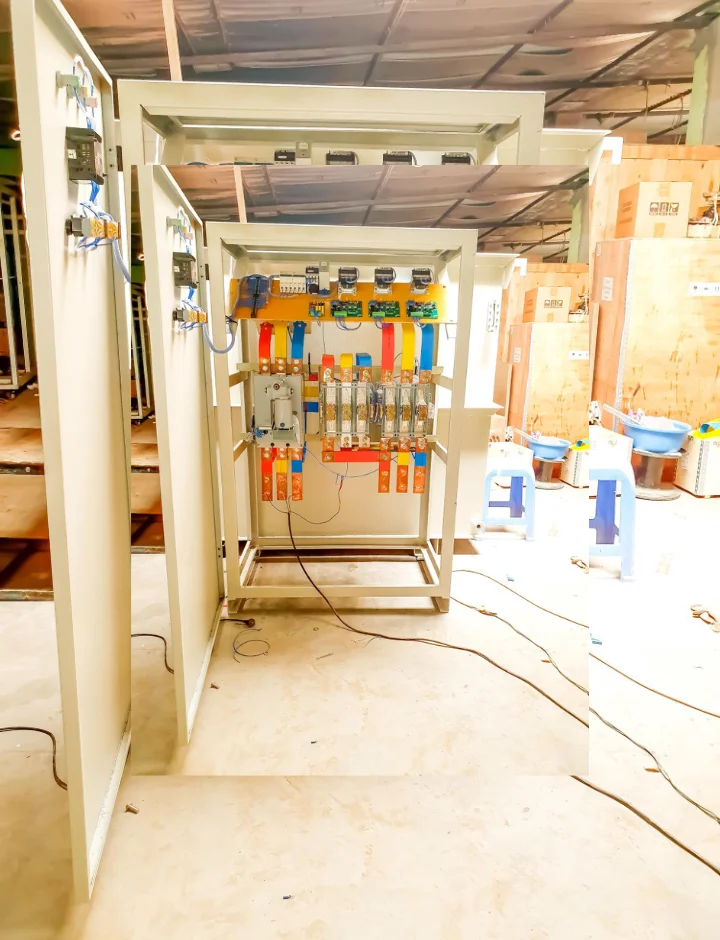
In modern industrial facilities, automated processing plants, and commercial infrastructure, central control enclosures serve as the nervous system. Power lines, Programmable Logic Controllers (PLCs), variable frequency drives, and safety relays must communicate with total precision. Consequently, implementing high-grade Electrical Panel Wiring practices is a critical requirement for control system engineers throughout the USA. An organized panel housing groups incoming three-phase feeds alongside delicate low-voltage control signals into neat wire ducts. Therefore, maintaining clean panel layouts directly eliminates electromagnetic interference, prevents high-resistance overheating, and simplifies future maintenance checks.
Preventing Equipment Downtime Through Clean Wire Management
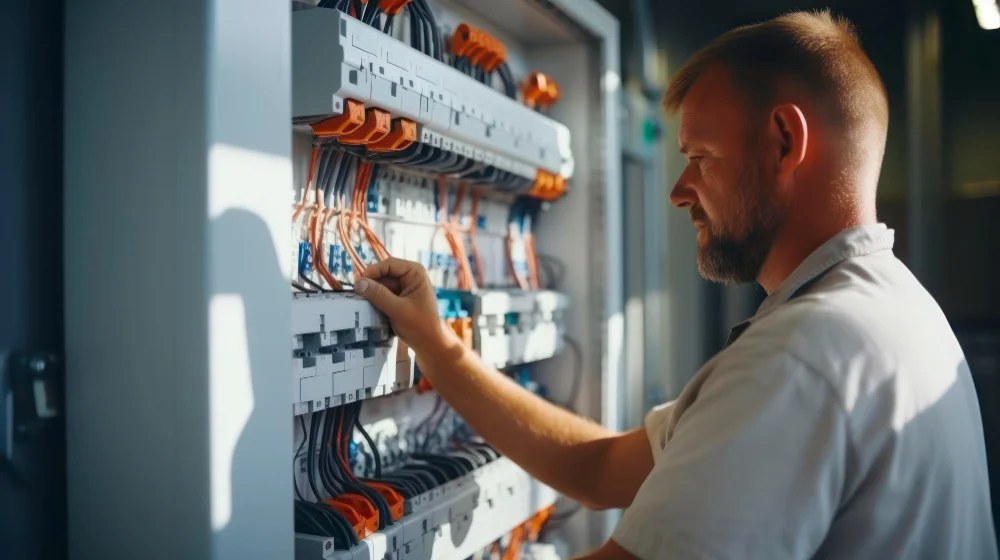
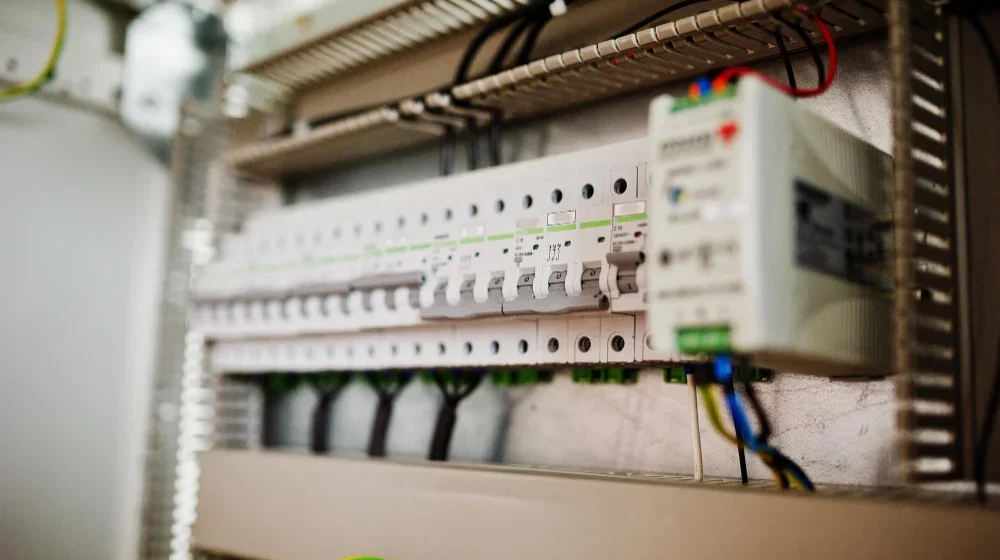
Running loose, unorganized cables inside a high-density industrial control box creates severe operational troubleshooting challenges. Unlabeled, crisscrossing lines make component upgrades difficult and increase the risk of accidental electrical shorts. However, adopting standardized electrical panel wiring techniques solves these field issues by routing conductors cleanly through slotted wire raceways. This systematic arrangement keeps power conductors separated from sensitive analog sensor feedback paths. This clean routing foundation allows you to deploy Organized Control Enclosures through your production facilities safely.
Technical Best Practices for Electrical Panel Wiring
Sourcing custom panel assemblies from a dedicated contract manufacturing partner allows your facility automation projects to scale smoothly. Every cabinet build follows strict point-to-point wiring schematics to guarantee absolute electrical reliability.
Standardizing Wire Color Coding for Safety Compliance
First, establishing clear color standards across all internal panel conductors prevents dangerous wiring mistakes during routine maintenance. Professional electrical panel wiring utilizes black for AC power, red for AC control, and blue for DC control circuits. Consequently, technicians can instantly identify voltage types before attaching diagnostic meters or servicing components. Securing this level of physical layout design is straightforward when partnering with a certified Custom Panel Assembly Provider.
Utilizing Ferruled Terminations for Reliable Electrical Contact
Second, connecting stranded copper wire directly into screw terminals often leads to lose, frayed wire ends over time. Loose strands can trigger ground faults or cause arc heating under heavy electrical loads. Specialized electrical panel wiring processes crimp insulated wire ferrules onto every stranded conductor tip before installation. This termination standard ensures your Tailored Wiring Layout maintains high-conductivity connections across years of cabinet vibration.
Critical Testing Standards for Control Enclosures
Verifying the automated quality checks of your manufacturing partner is essential for maintaining electrical safety compliance. Because an incorrect wire connection can damage sensitive PLC inputs, every finished control box must undergo rigorous testing.
- Point-to-Point Continuity Testing: Confirms every internal connection accurately matches the engineering schematic.
- High-Potential (HI pot) Insulation Testing: Checks wire jacket insulation integrity under elevated voltage to detect pinhole leaks.
- Torque Verification Checks: Ensures every terminal screw meets specified tightness torque ratings to avoid loose connections.
- 100% Visual and Label Audits: Verifies that every conductor sleeve and terminal block label matches the panel drawing.
Integrating Control Systems with Central Power Arrays
Building a scalable automated facility requires linking your central control cabinets with primary facility distribution panels. To streamline this engineering process, technical teams pair their internal panel builds with an optimized Industrial Distribution Matrix. This combination delivers a complete, drop-in utility infrastructure capable of handling high-current feeds and low-voltage control signals cleanly. Sourcing these integrated assemblies from a single domestic facility ensures all components align perfectly.
Future Engineering Integration in Smart Enclosures
As industrial facilities move toward real-time telemetry and IoT monitoring, physical control panels must adapt to accommodate data links. Modern control boxes do not just switch motor starters; they manage high-speed industrial Ethernet networks across factory floors.
Linking Field Components to Central Logic Modules
To coordinate these real-time control loops, internal signal lines connect directly into processing backplanes. Building these complex internal connections requires a high-quality Printed Circuit Assembly that keeps microcontrollers protected from electrical noise. Consequently, your processing networks maintain fast communication speeds without experiencing data dropouts. This hardware protects your central control cards from field failures.
Enclosure Fabrication and Environmental Shielding
Finally, your internal panel components require a heavy-duty physical shield to block external threats like dust, oil mist, or moisture. Contract manufacturing facilities pair their internal panel layouts with complete Custom Enclosure Metalwork. This integrated approach allows you to source both your electrical panel wiring layout and your NEMA-rated metal enclosures from a single trusted partner.
Frequently Asked Questions (FAQs)
1.What is the importance of separating AC and DC wires in electrical panel wiring?
Running high-voltage AC wires alongside low-voltage DC signal lines introduces electromagnetic noise. Consequently, this noise can distort sensor readings and disrupt PLC communication.
2.Why are wire ferrules recommended for panel terminal connections?
Ferrules hold stranded copper wires together into a tight, solid pin. Therefore, they prevent stray strands from causing short circuits and ensure a secure, corrosion-resistant connection.
3.What NEMA enclosure rating is typically needed for indoor industrial panels?
NEMA 12 enclosures are standard for indoor industrial environments because they protect internal wiring from falling dirt, circulating dust, and dripping non-corrosive liquids.
4.How does clear wire labeling improve long-term panel maintenance?
Printed wire labels matching the schematic allow technicians to trace circuits quickly during maintenance. Consequently, this drastically reduces system troubleshooting downtime.
5.Where can I source custom electrical panel wiring services in the USA?
You can partner with established domestic contract manufacturers like Auctus Electro to upload your panel schematics and receive a technical production consultation.
Conclusion
In conclusion, organizing your control infrastructure through professional electrical panel wiring is a vital investment in facility safety and uptime. By prioritizing color standardization, ferruled wire terminations, and thorough testing, you protect your operational assets from unexpected downtime. A premier contract partner like Auctus Electro provides the engineering expertise needed to bring your complex panel designs to life. Choose an engineered connectivity solution that drives your business forward with safety, reliability, and efficiency.

Go To Top