- 3876 Industrial Ave, Rolling Meadows, IL 60008
- Info@auctuselectro.com

- 3876 Industrial Ave, Rolling Meadows, IL 60008
- Info@auctuselectro.com
Industrial Electrical Wiring
- Home
- Industrial Electrical Wiring
The Critical Role of Industrial Electrical Wiring in Factory Automation
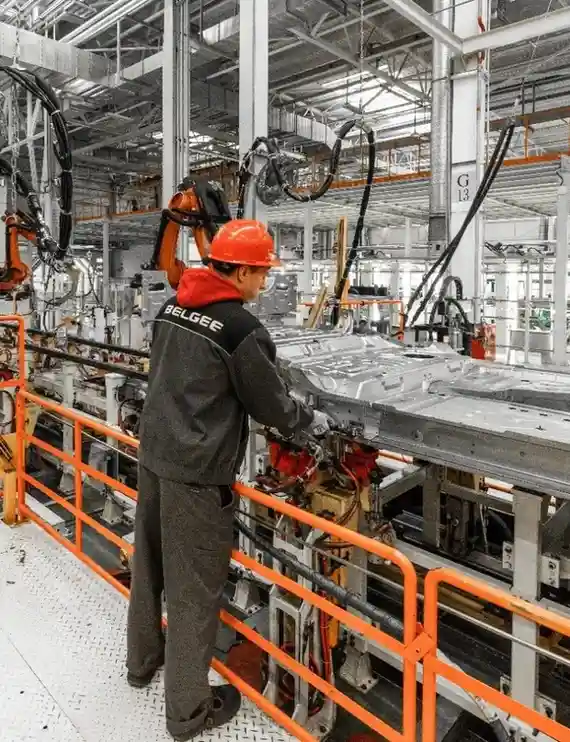
In the high-stakes environment of heavy manufacturing, a continuous supply of power is the foundation of productivity. Every heavy-duty machine, automated conveyor, and robotic assembly cell requires a heavy-duty grid to operate safely. Consequently, robust Industrial Electrical Wiring has become the primary infrastructure requirement for modern factories across the USA. This specialized wiring distribution system manages high voltages and heavy current loads. Therefore, your choice of wiring architecture directly impacts your facility’s operational safety and daily uptime.

Overcoming Environmental Challenges on the Factory Floor
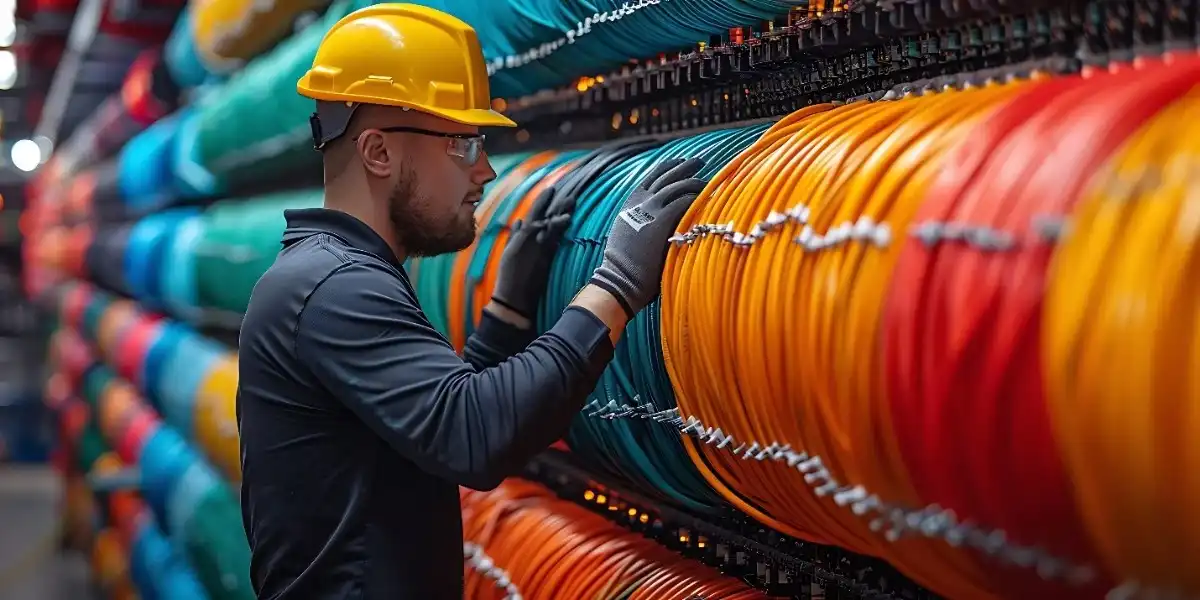
Industrial facilities expose electrical networks to harsh conditions that residential wiring never encounters. Massive motors generate severe electromagnetic interference, while mechanical systems cause constant physical vibration. However, a professionally engineered industrial electrical wiring plan eliminates these environmental risks completely. By using thick conduits and shielded materials, engineers prevent signal distortion. This structured planning allows you to deploy advanced Wire Harness Solutions that keep your production assets running smoothly.
Key Benefits of Upgrading Industrial Electrical Wiring
Many plant managers delay upgrading their electrical infrastructure due to initial installation costs. Nevertheless, investing in a modern, code-compliant distribution system offers significant operational advantages that protect your bottom line.
Preventing Electrical Fires and Equipment Damage
First, outdated cables can easily overheat under the constant load of modern high-speed machinery. Precision industrial electrical wiring utilizes properly sized copper conductors and flame-retardant jackets to mitigate thermal risks. Consequently, this heavy-duty engineering protects your expensive programmable logic controllers (PLCs) from sudden power surges. Securing this level of durability is highly straightforward when you partner with a certified Cable Harness Supplier for your component sourcing.
Optimizing Airflow and Reducing Maintenance Time
Second, unorganized wiring inside electrical panels traps high heat and complicates routine troubleshooting. Implementing a structured wiring layout allows maintenance technicians to identify and isolate faults in a fraction of the time. Furthermore, top-tier engineering facilities use automated wire-labeling systems to simplify complex circuitry. This organized methodology helps you integrate a clean Customized Cable Assembly into your machinery without creating physical clutter.
Essential Quality Standards for Industrial Wiring Systems
Vetting your manufacturing and assembly partners is crucial for maintaining regulatory compliance in North America. Because industrial voltages can be dangerous, your provider must follow strict international safety benchmarks.
- NFPA 70 Compliance: The National Electrical Code (NEC) standards governing safe electrical installation practices in the USA.
- IPC/WHMA-A-620 Adherence: The global benchmark for wire stripping, terminal crimping, and soldering quality.
- UL Safety Listing: Guarantees that all conduit materials and jackets are tested thoroughly for fire resistance.
- Automated Continuity Checks: Eliminates the risk of short circuits before the systems are energized.
Seamless Systems Integration and Sourcing
Building a safe factory grid requires looking at how different power paths connect with one another. To handle heavy machinery loops, engineers often combine heavy building wires with a specialized Industrial Wire Harness Assembly. This blend provides clean, drop-in branches that reduce field installation errors. By trusting a domestic contract manufacturer like Auctus Electro, you ensure that your structural layout and internal connections align perfectly.
Future Trends in Industrial Electrical Infrastructure
As factories move closer toward full digital transformation, electrical grids must evolve to support smart data collection. Modern wiring networks are no longer just about sending raw electricity; they are also about transmitting real-time performance metrics.
Driving Smart Boards and Connected Automation
To process these data streams, modern factories rely on smart sensors embedded directly into automated machinery. Connecting these low-voltage sensors to high-voltage lines requires an incredibly precise Circuit Assembly blueprint. This high level of integration protects sensitive microchips from electrical noise. Therefore, your facility can maintain rapid data transmission rates without experiencing unexpected machine data drops.
Complete Heavy Enclosure Solutions
Finally, your physical wiring infrastructure requires a tough outer boundary to defend against external hazards like dust or water leaks. Leading production facilities combine internal network routing with robust Electrical Fabrication services. This comprehensive ecosystem allows you to source both your highly technical industrial electrical wiring systems and your sealed NEMA-rated steel enclosures from a single trusted provider.
Frequently Asked Questions (FAQs)
1.How does industrial electrical wiring differ from commercial wiring?
Industrial wiring handles much higher voltage levels and is exposed to harsh chemical environments. Consequently, it requires heavy-duty metal conduits, specialized insulation jackets, and rigorous safety grounding.
2.Why is shielding necessary in industrial wiring layouts?
Heavy factory motors produce electromagnetic noise that can easily corrupt low-voltage data. Therefore, shielding blocks this interference, ensuring your automated sensors communicate without errors.
3.Can I run power lines and data cables through the same conduit?
Generally, no. High-voltage power lines can disrupt data streams. However, you can run them together if you use specialized barrier shielding designed to isolate the lines.
4.What is the lifespan of industrial wiring networks?
A well-engineered wiring system can last for decades. However, lines exposed to constant heat, oil, or continuous mechanical bending should be inspected yearly for physical wear.
5.Where can I find custom industrial wiring and assembly services in USA?
You can partner with established domestic contract manufacturers like Auctus Electro to submit your project blueprints and receive a professional engineering consultation.
Conclusion
In conclusion, a premium industrial electrical wiring system is the critical foundation for any successful automation project. By prioritizing high-performance shielding, strict NEC compliance, and domestic manufacturing partnerships, you protect your infrastructure investments against early field failure. A premier contract partner like Auctus Electro provides the advanced engineering required to bring your complex power distribution concepts to life. Do not let outdated, unorganized wiring bottleneck your smart factory’s potential. Choose an engineered connectivity solution that drives your business forward with absolute safety, reliability, and efficiency.

Go To Top