- 3876 Industrial Ave, Rolling Meadows, IL 60008
- Info@auctuselectro.com

- 3876 Industrial Ave, Rolling Meadows, IL 60008
- Info@auctuselectro.com
Gigabit Cable
- Home
- Gigabit Cable
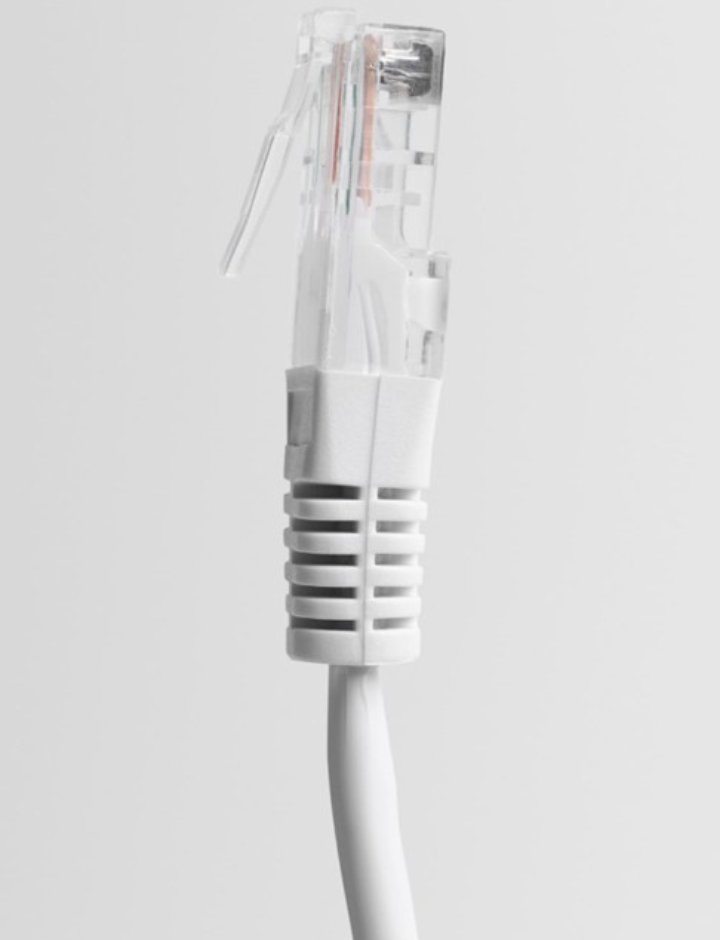
Gigabit Cable: Everything You Know About High-Speed Connectivity
Speed is no longer a luxury — it is a necessity. Whether you are running a data center, upgrading a commercial office, or deploying a smart manufacturing network, your physical cabling decides how fast data actually moves. That is where gigabit cable becomes essential. At Auctus Electro Assembly, we build precision cable assemblies that support gigabit-class performance. Here is what you need to know.
What Is Gigabit Internet?
Gigabit internet is a broadband connection delivering speeds of 1,000 Mbps — or 1 Gbps. At that speed, a large 4K video file downloads in under a minute, cloud applications respond instantly, and dozens of users share the connection without slowdown.
For businesses, gigabit connectivity means real-time cloud access, smooth video conferencing, fast file transfers, and a network that supports high-demand workloads. For industrial environments, it provides the bandwidth that IIoT devices, machine vision systems, and automated production lines require to operate without interruption.
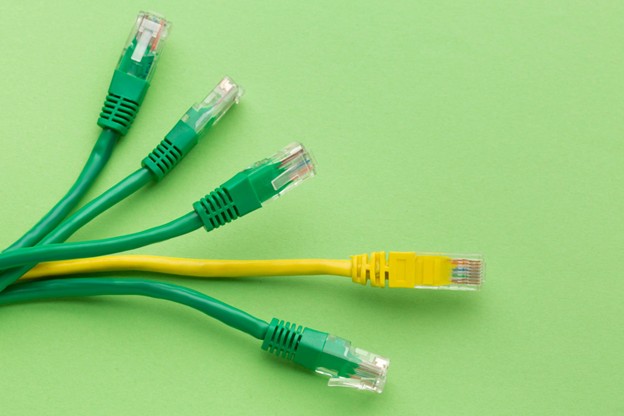
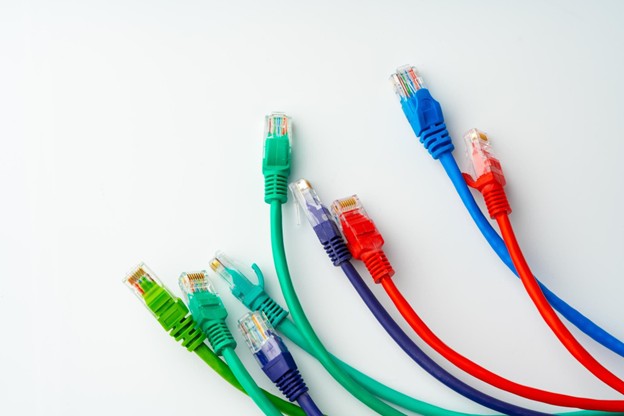
The physical foundation of any gigabit network is the gigabit cable itself — the cables, connectors, and assemblies that carry those signals between every device on the network.
How Does Gigabit Internet Work?
Gigabit internet is delivered through fiber optic cable, DOCSIS 3.1 coaxial infrastructure, or advanced DSL. Fiber is the most capable — it carries data as pulses of light, immune to interference and capable of maintaining full speed over long distances.
Once the signal enters your building, internal cabling takes over. The category of your gigabit cable determines whether every device actually receives full-speed performance:
- Cat6: Supports 1 Gbps up to 55 meters. Suitable for standard office deployments.
- Cat6A: Supports 10 Gbps up to 100 meters. Recommended for all new commercial and industrial installations.
- Cat8: Supports 25–40 Gbps up to 30 meters. Used in data centers between servers and switches.
- Fiber patch cables: Ideal for backbone runs, inter-building links, and EMI-sensitive environments.
What Are the Benefits of Gigabit Internet?
Investing in proper gigabit cable infrastructure delivers measurable advantages for any organization:
- Faster data transfer: Files, backups, and cloud sync that took minutes complete in seconds.
- More simultaneous users: Support dozens of users streaming, conferencing, and working without any slowdown.
- Future-proof infrastructure: Cat6A cabling supports 10 Gbps upgrades without any rewiring cost.
- Lower latency: Fiber-based gigabit networks deliver faster response times for real-time systems.
- IIoT and automation readiness: Smart factory devices, sensors, and machine vision cameras need gigabit bandwidth to function reliably.
Circuit Assembly Capabilities at Auctus Electro Assembly
As a full-service electronics contract manufacturer, Auctus Electro Assembly supports the complete circuit assembly process:
- SMT, through-hole, and mixed technology assembly
- PCB integration into enclosures and systems as part of complete electromechanical assemblies
- 100% electrical and functional testing on every unit before shipment
- DFM (design for manufacturability) review via our engineering support team
- RoHS-compliant materials and UL-aligned manufacturing processes
FAQs About Gigabit Cable
1.What cable do I need for gigabit internet?
Cat6 supports 1 Gbps up to 55 meters. Cat6A is the recommended choice for new installations — it supports 10 Gbps up to 100 meters and future-proofs your network.
2.Is fiber optic better than Cat6A for gigabit connections?
Fiber offers greater distance and EMI immunity. Cat6A is more cost-effective for short in-building runs. Both deliver reliable gigabit performance.
3.Does cable quality affect actual gigabit speed?
Yes. Poor terminations and substandard connectors cause signal loss and crosstalk that reduce real-world performance, even with a rated cable.
4.Can Auctus Electro Assembly build custom gigabit cable assemblies?
Yes. We manufacture custom Cat6, Cat6A, fiber, and coaxial assemblies to your exact specifications with 100% electrical testing on every unit.
5.Which industries use gigabit cable assemblies?
Data centers, smart manufacturing, medical imaging, telecommunications, broadcasting, and commercial buildings all rely on gigabit cable assemblies for fast, reliable connectivity.
Conclusion
Gigabit cable infrastructure is the foundation that makes high-speed connectivity real — in offices, factories, hospitals, and data centers. Choosing the right cable category and a quality assembly manufacturer determines whether your network delivers its full rated performance.
At Auctus Electro Assembly, we manufacture precision gigabit cable assemblies built to your specifications and tested before every shipment. Contact us today for a custom quote.
Website : https://auctuselectro.com/
Email : Info@auctuselectro.com

Go To Top