- 3876 Industrial Ave, Rolling Meadows, IL 60008
- Info@auctuselectro.com

- 3876 Industrial Ave, Rolling Meadows, IL 60008
- Info@auctuselectro.com
Cat 6 Ethernet Cables
- Home
- cat 6 network cable
The Complete Guide to High-Performance Cat 6 Ethernet Cables
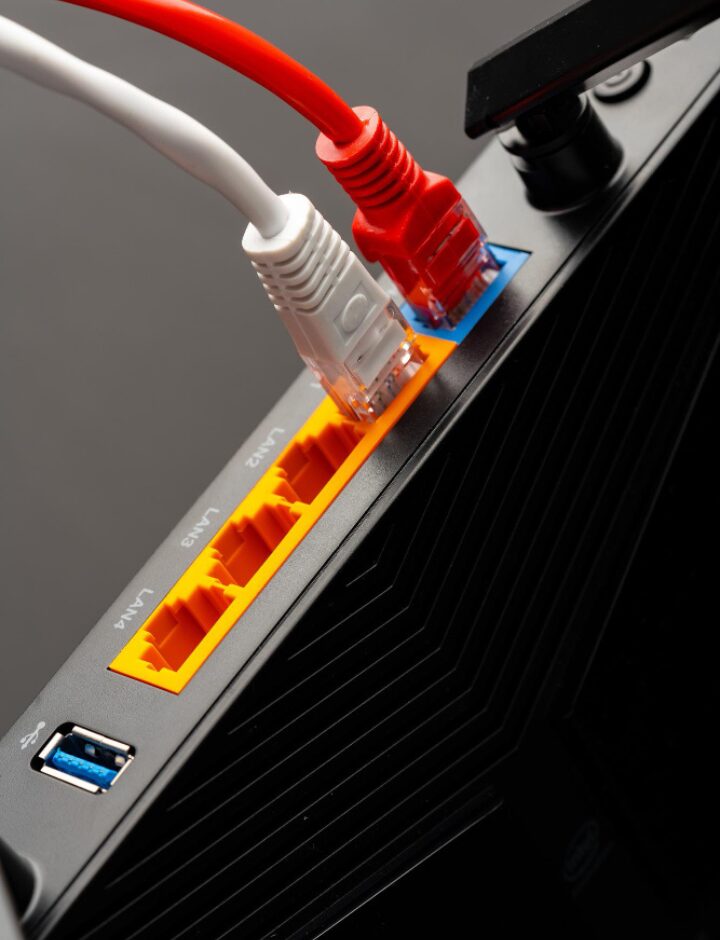
In today’s data-driven world, the quality of your cat 6 network cable infrastructure directly impacts business productivity, communication reliability, and digital performance. Whether you are setting up a home office, building a commercial network, or deploying an enterprise data center, Cat 6 cables are the gold standard for modern Ethernet connectivity. From blazing-fast data transmission speeds to robust shielding options, Cat 6 cables offer everything your network demands.
What Are Cat 6 Cables?
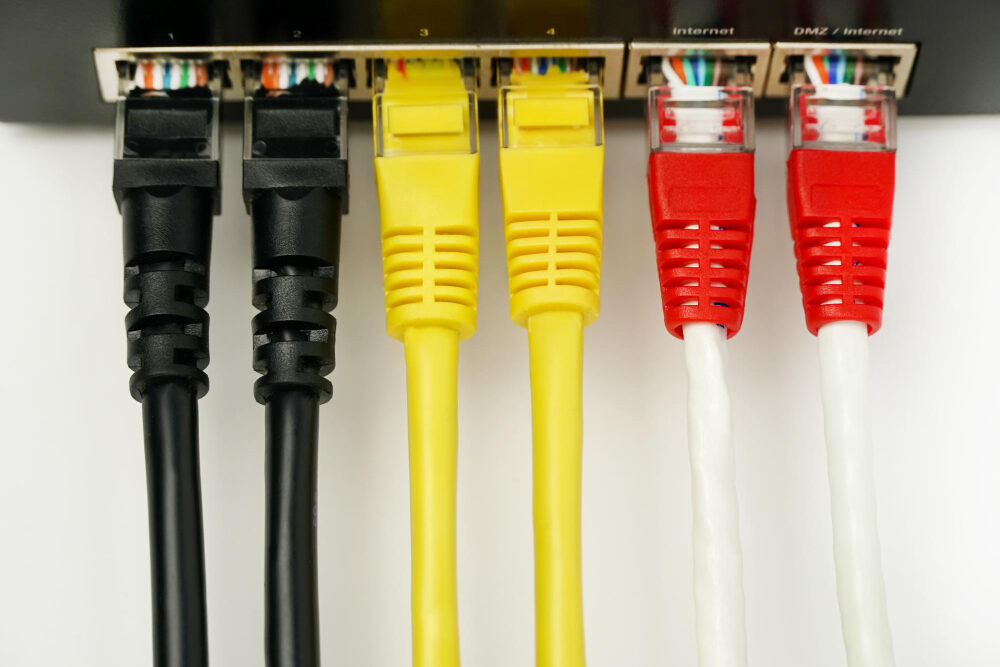
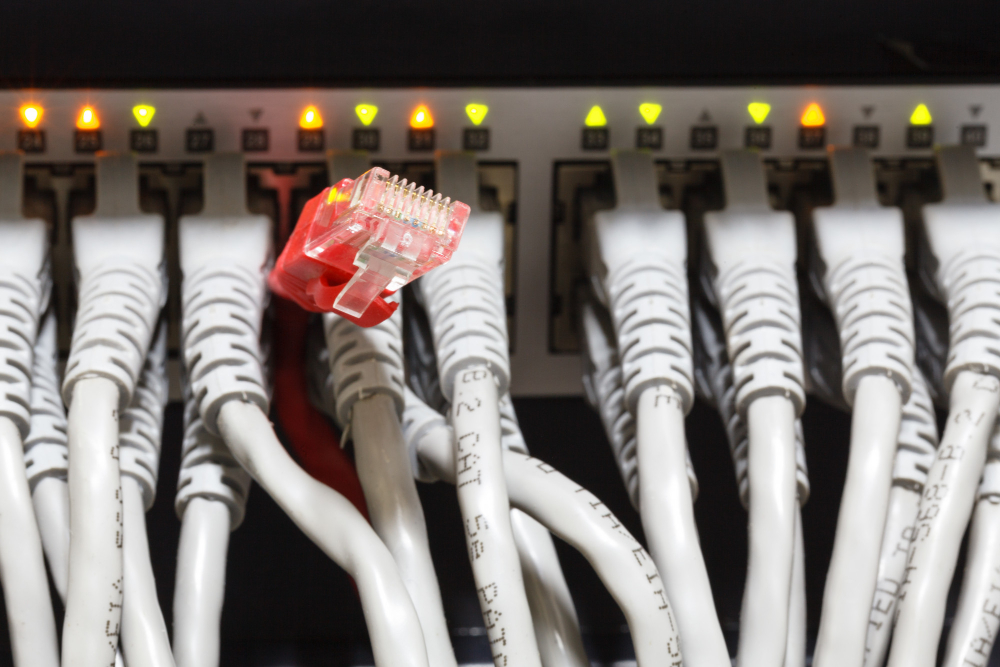
Cat 6 cables (Category 6 cables) are a standardised type of twisted-pair Ethernet cable designed for Gigabit and 10-Gigabit networking environments. They are backward compatible with Cat5 and Cat5e cables and offer significantly improved performance in terms of bandwidth, crosstalk reduction, and signal clarity.
Cat 6 cables are engineered to support data transmission speeds of up to 1 Gbps at 100 meters and up to 10 Gbps at distances up to 55 meters. With a bandwidth capacity of 250 MHz, they outperform their predecessors and meet the demands of modern high-speed applications — from video streaming and VoIP to cloud computing and smart building systems.
Types of Cat 6 Cables: Choosing the Right One for Your Network
Not all Cat 6 cables are created equal. Understanding the different types helps you select the right cable for your specific installation environment and performance requirements.
1. UTP (Unshielded Twisted Pair) Cat 6 Cables
UTP Cat 6 cables are the most commonly used variant for indoor networking. They are lightweight, flexible, and cost-effective, making them ideal for home networks, small offices, and standard commercial buildings. Without a metallic shield, UTP cables rely on the precision twisting of conductor pairs to minimise electromagnetic interference (EMI).
2. STP (Shielded Twisted Pair) Cat 6 Cables
STP Cat 6 cables include an additional metallic foil or braided shield around the twisted pairs, providing superior protection against EMI and radio frequency interference (RFI). These are the preferred choice for industrial environments, hospitals, factories, and any setting with heavy electrical equipment that generates interference.
3. FTP / SFTP Cat 6 Cables
FTP (Foil Twisted Pair) cables use a single overall foil shield, while SFTP (Screened Foil Twisted Pair) adds individual foil wrapping around each twisted pair plus an outer braided shield. These cables deliver the highest level of signal protection and are used in data centres, server rooms, and telecom installations.
4. Plenum-Rated Cat 6 Cables
Plenum cables are designed for installation in air-handling spaces — above drop ceilings or below raised floors. Made with low-smoke, fire-retardant jacket materials (typically FEP or CMP-rated PVC), they are required by building codes in commercial and public buildings to prevent toxic smoke spread in the event of a fire.
5. PVC (Riser-Rated) Cat 6 Cables
PVC-jacketed Cat 6 cables, also known as riser-rated or CMR cables, are designed for vertical runs between floors within a building. They offer a balance between flexibility, durability, and cost-effectiveness for most standard indoor networking applications.
6. Direct Burial / Outdoor Cat 6 Cables (PE Jacket)
Outdoor Cat 6 network cables feature a polyethylene (PE) or gel-filled jacket that resists moisture, UV radiation, and extreme temperature fluctuations. They are designed to be buried directly in the ground or routed outdoors without conduit — perfect for campus networks, outdoor security systems, and inter-building connections.
Why Cat 6 Cables Are the Right Choice for Your Network
Upgrading to Cat 6 network cables is one of the most impactful investments you can make for your network infrastructure. Here is why IT professionals, system integrators, and network engineers consistently specify Cat 6 cables:
- Higher Bandwidth (250 MHz): Supports faster data throughput and reduces latency across all connected devices.
- Reduced Crosstalk: Tighter twisting and improved pair separation minimise near-end crosstalk (NEXT) and alien crosstalk (AXT).
- Future-Proof Infrastructure: Cat 6 supports 10G Ethernet at short runs, making your cabling infrastructure ready for next-generation networking demands.
- Backward Compatibility: Fully compatible with Cat 5 and Cat 5e hardware — no need to replace your switches, routers, or patch panels.
- Backward Compatibility: Fully compatible with Cat 5 and Cat 5e hardware — no need to replace your switches, routers, or patch panels.
- Versatile Applications: From residential broadband to enterprise server rooms, Cat 6 cables handle virtually every network topology and use case.
Common Applications of Cat 6 Network Cables
Cat 6 cables are deployed across a wide range of environments and industries, including:
- Home and SOHO (Small Office, Home Office) networks for high-speed internet and streaming
- Corporate LAN (Local Area Network) infrastructure connecting workstations, IP phones, and printers
- Data centres and server rooms requiring reliable Gigabit and 10G backbone connections
- Security and surveillance systems including PoE (Power over Ethernet) IP cameras
- Healthcare facilities where network reliability and signal clarity are mission-critical
- Educational institutions deploying campus-wide wired and wireless networks
- Industrial and manufacturing sites requiring robust, shielded cable runs
- Hospitality and retail environments supporting guest Wi-Fi, POS systems, and digital signage
Frequently Asked Questions (FAQs) About Cat 6 Cables
Q1. What is the maximum speed and distance for Cat 6 cables?
Cat 6 cables support speeds of up to 1 Gbps at distances up to 100 metres. For 10 Gbps Ethernet, the effective distance is limited to approximately 55 metres. Beyond these distances, signal degradation may occur and repeaters or switches may be required.
Q2. What is the difference between Cat 6 and Cat 6A cables?
Cat 6A (Augmented Category 6) extends the supported frequency to 500 MHz and delivers consistent 10 Gbps performance over the full 100-metre channel length. Cat 6A cables are larger in diameter, more expensive, and primarily used in data centres and enterprise backbones. For most standard office and residential applications, Cat 6 provides excellent performance at lower cost.
Q3. Should I choose shielded (STP) or unshielded (UTP) Cat 6 cables?
For most home and standard office installations, UTP Cat 6 cables are sufficient. If your environment includes heavy machinery, electrical equipment, fluorescent lighting, or other sources of electromagnetic interference, shielded STP or FTP Cat 6 cables are strongly recommended to maintain signal integrity.
Q4. Can I use outdoor Cat 6 cables indoors?
Technically yes, but it is not recommended as standard practice. Outdoor-rated cables have thicker, UV-resistant jackets that make them less flexible and harder to terminate in tight spaces. However, for transitions between outdoor and indoor runs, using a weatherproof outdoor cable rated for both environments is acceptable.
Conclusion
Whether you are building a new cat 6 network cable from scratch or upgrading ageing Cat 5e infrastructure, Cat 6 cables deliver the speed, reliability, and future-readiness your operations demand. With a variety of types — UTP, STP, plenum, PVC, PE, indoor, and outdoor — there is a Cat 6 solution precisely engineered for every installation environment.
At Auctus Electro, we supply high-quality Cat 6 cables and Ethernet networking solutions tailored to your project specifications. Contact us today to discuss your requirements and get expert guidance on the right cable choice for your infrastructure.
Website : https://auctuselectro.com/
E-mail : Info@auctuselectro.com

Go To Top