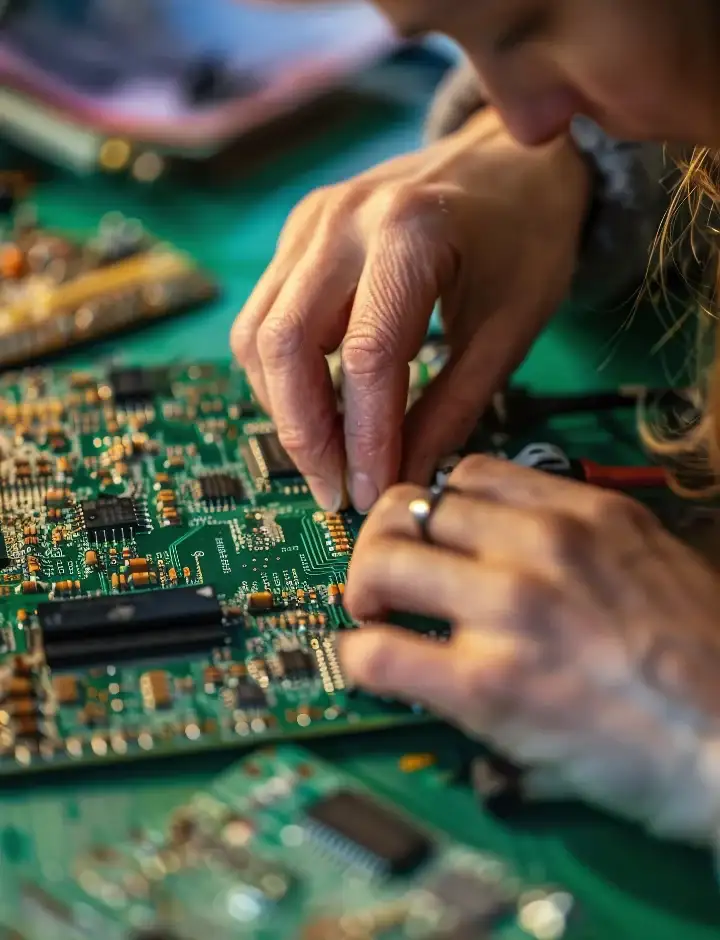

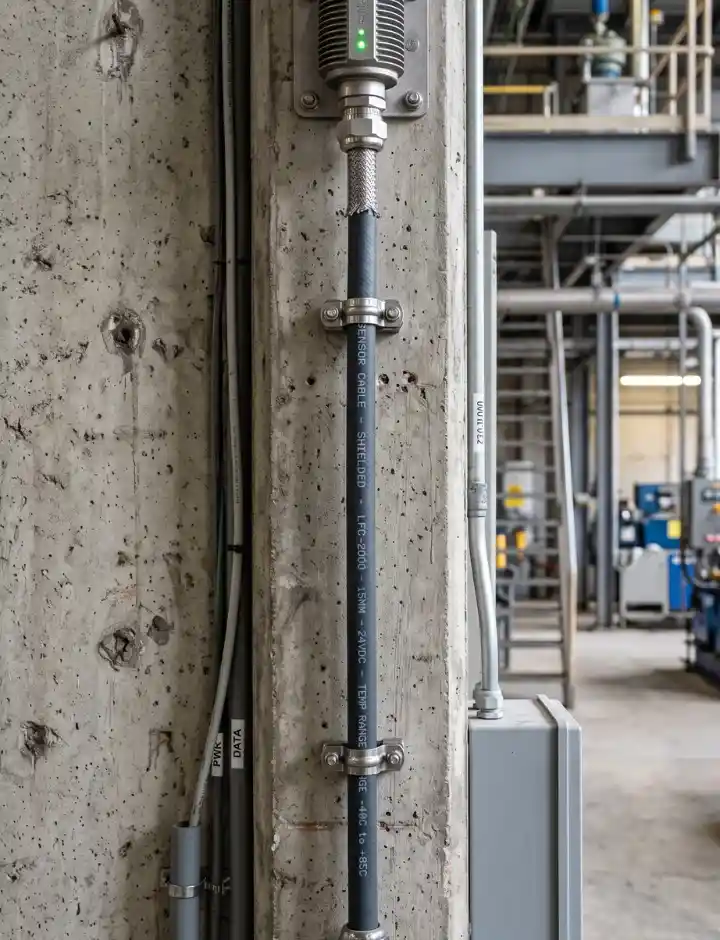
In modern smart factories, robotic assembly lines, and high-precision processing facilities, continuous operational accuracy depends on reliable data transmission. Proximity switches, thermal sensors, optical encoders, and pressure transducers require uninterrupted low-voltage signals to communicate with central processing units. Consequently, selecting the correct Sensor Cable configuration has become a critical engineering requirement for equipment integrators across the USA. High-grade multi-conductor sensor cables deliver exceptional noise immunity, high flex-life endurance, and precise signal integrity. Therefore, integrating certified sensor cable assemblies directly prevents signal degradation, eliminates false controller readings, and ensures maximum operational uptime.
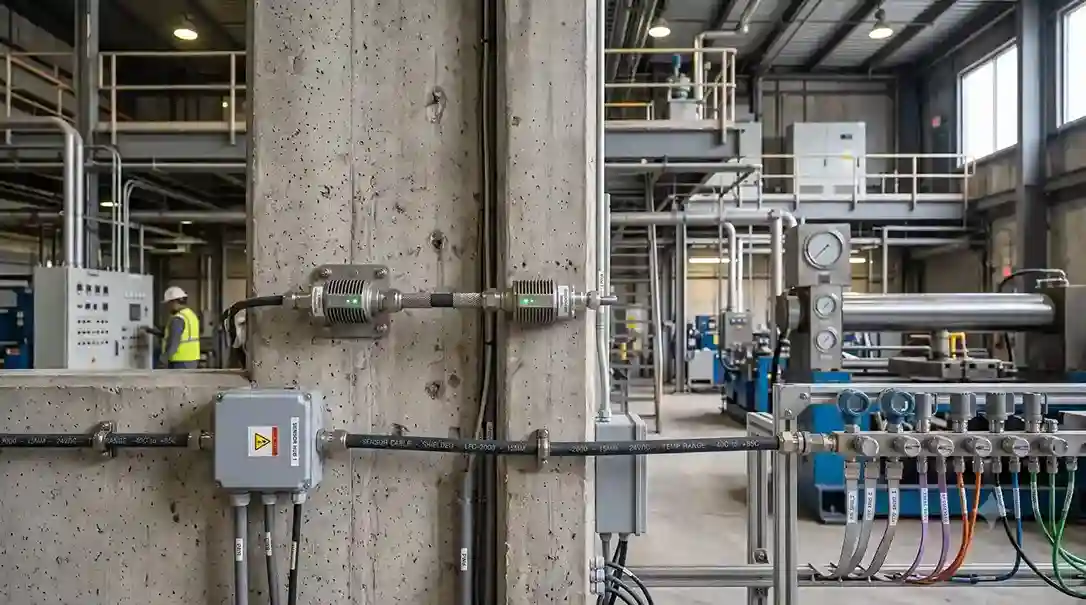
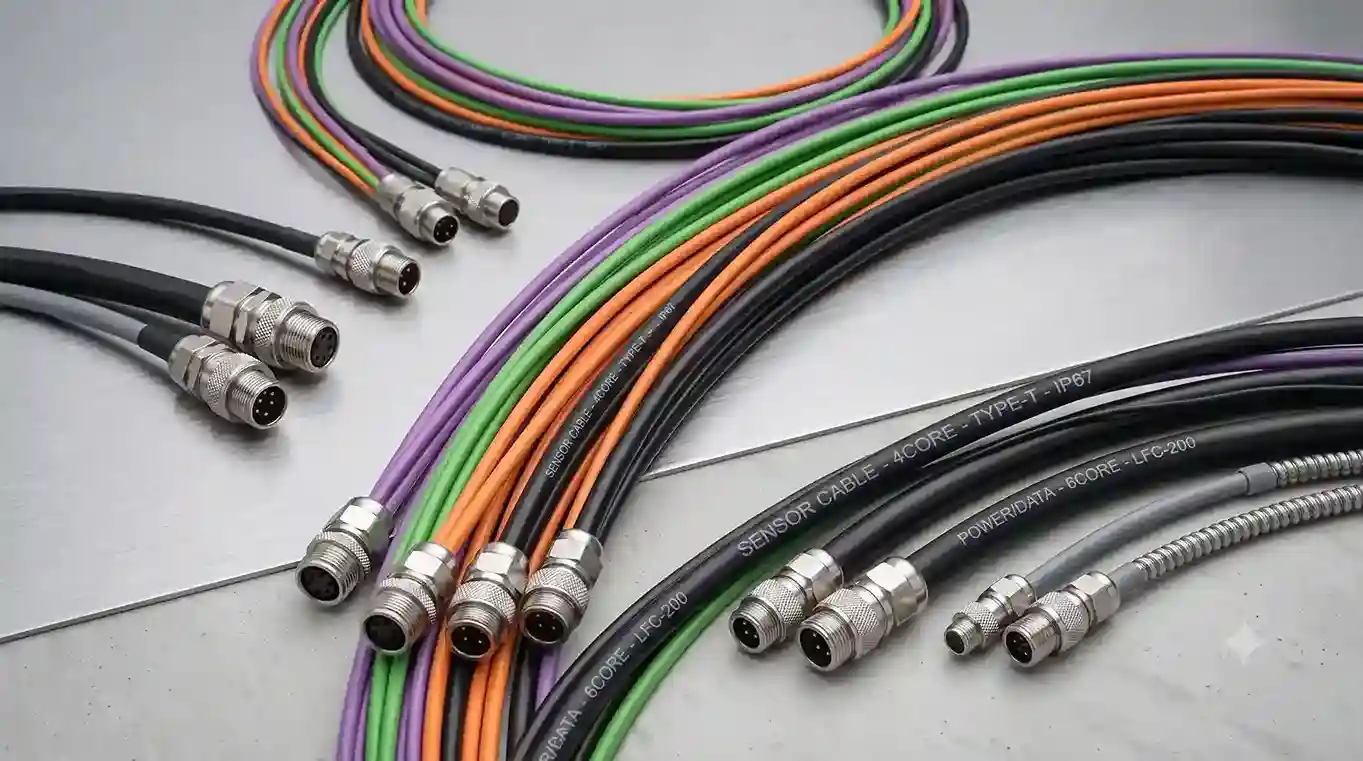
Deploying standard unshielded communication wiring in industrial environments introduces severe operational vulnerabilities. Electromagnetic interference (EMI) from high-voltage motors, variable frequency drives, and heavy power lines distort micro-volt sensor signals, leading to automated system trips. However, implementing engineered sensor cable designs eliminates these data errors through continuous foil shielding and dense braided copper mesh. This dual-layer shielding architecture blocks external electrical noise without sacrificing cable flexibility. Consequently, your engineering team can seamlessly integrate reliable Custom wire Components into high-density machinery layouts with total peace of mind.
Sourcing specialized sensor cabling from an experienced contract manufacturing partner allows your automation systems to scale smoothly. Dedicated production facilities apply strict signal testing to guarantee uncompromised performance under constant mechanical stress.
First, choosing the proper jacket compound determines how a cable endures continuous bending and environmental hazards. Polyurethane (PUR) jacketing provides exceptional abrasion resistance, high tear strength, and chemical inertness against industrial lubricants and cutting oils. Alternatively, Thermoplastic Elastomer (TPE) offers superior cold-bend flexibility and high UV resistance for outdoor monitoring stations. Securing this tailored material selection is straightforward when working with a certified Wire Fabrication Provider.
Second, routing sensitive instrument signals over long distances require balanced line geometry to prevent crosstalk between adjacent channels. Advanced sensor cable construction utilizes tightly twisted conductor pairs to cancel out induced magnetic fields automatically. Furthermore, pairing twisted conductors with low-capacitance polypropylene insulation ensures your Electromechanical Assemblies maintain high data transmission rates across extended cable runs without pulse distortion.
Verifying the quality diagnostic protocols of your manufacturing partner is vital for maintaining total system accuracy. Because a single micro-break in a sensor wire can cause random machine shutdowns, every cable assembly must undergo thorough testing.
Building a complete industrial control network requires connecting remote field sensors to main power distribution matrices. To streamline this assembly process, technical teams’ pair specialized sensor lines with an optimized Industrial Assembly Framework. This integrated approach delivers a complete, drop-in utility infrastructure capable of carrying power and low-voltage control signals cleanly. Sourcing these complete assemblies from one domestic facility ensures all mating connectors align perfectly.
Modern automated machinery demands complete harmony between physical enclosures, main processing cards, and field sensor networks. Sourcing from a single full-service manufacturer simplifies supplier management and shortens total time-to-market schedules.
To maintain real-time automation feedback, sensor lines must connect cleanly into programmable logic controllers (PLCs). Linking your field sensor runs with high-quality Electronics Contract Manufacturing protects sensitive microprocessors from unexpected voltage surges. Consequently, your control modules process input data smoothly without experiencing false alarms or signal dropouts. This hardware defense guards your central control cards against field electrical faults.
Finally, your internal wiring networks, sensor junction boxes, and central processing cards require a heavy-duty physical shield to block dirt, oil, and physical impact. Contract partners pair their internal wiring layouts with complete Engineering Support Solutions. This unified workflow allows you to source both your specialized sensor cable harness orders and your custom NEMA-rated metal enclosures from a single trusted domestic partner like Auctus Electro.
1.What makes a sensor cable different from a standard power cable?
A sensor cable is specifically engineered for low-voltage signal transmission, featuring fine conductor stranding for continuous flexing, high-density shielding against EMI, and low-capacitance insulation.
2.Why is PUR jacketing recommended for robotic sensor cable applications?
PUR (Polyurethane) offers superior resistance to mechanical wear, continuous flexing, cutting oils, and notch propagation, making it ideal for robotic arms and drag-chain installations.
3.What is the advantage of M8 and M12 molded connectors on sensor cable assemblies?
M8 and M12 molded connectors provide IP67/IP68 environmental sealing, protecting sensitive electrical contacts against dust, water immersion, and industrial washdowns.
4.How does shielding protect sensor signals in automated factories?
Foil and braided copper shielding reflect and absorb external electromagnetic interference from motors and heavy machinery, preventing noise from distorting low-voltage sensor readings.
5. Where can I source custom sensor cable assemblies in the USA?
You can partner with established domestic contract manufacturers like Auctus Electro to submit your technical specifications and receive a comprehensive engineering quotation.
In conclusion, optimizing your automated equipment with certified sensor cable assemblies is a vital investment in signal accuracy, operational efficiency, and long-term uptime. By prioritizing PUR dynamic flex jacketing, continuous EMI shielding, and rigorous automated pinout testing, you protect your production line against unexpected data errors. A premier partner like Auctus Electro provides the full-spectrum engineering expertise needed to bring your complex sensor wiring designs into high-volume production reality. Choose an engineered connectivity solution that drives your business forward with safety, reliability, and precision.