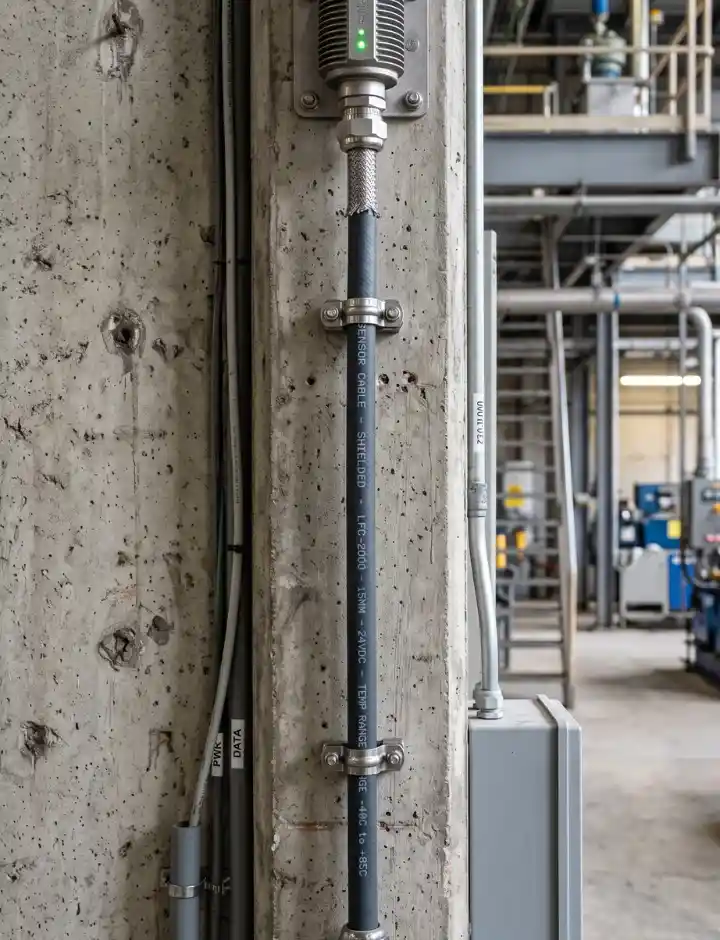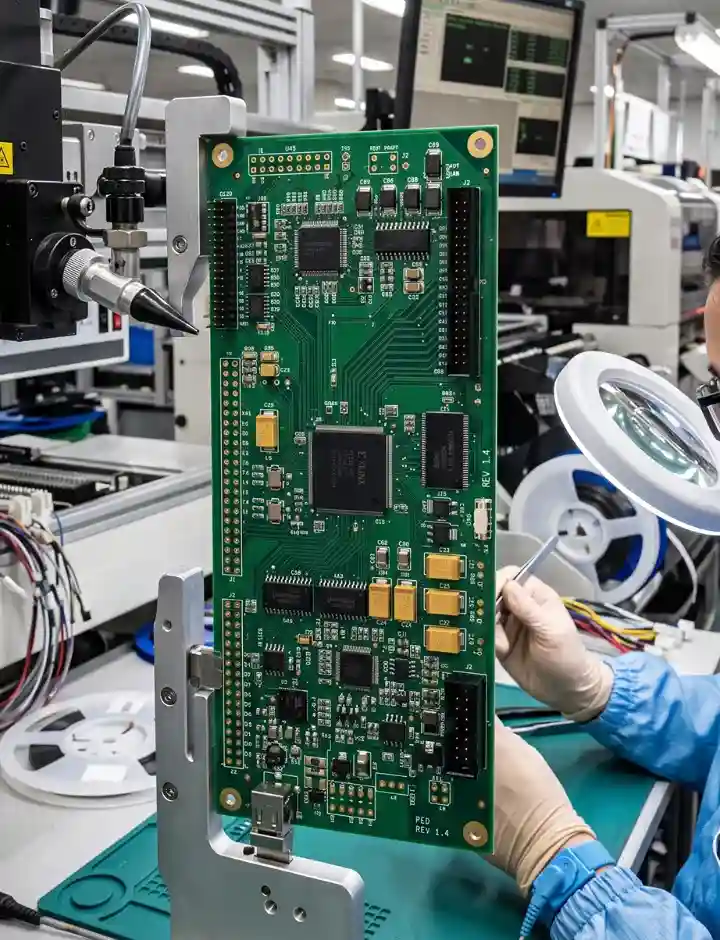

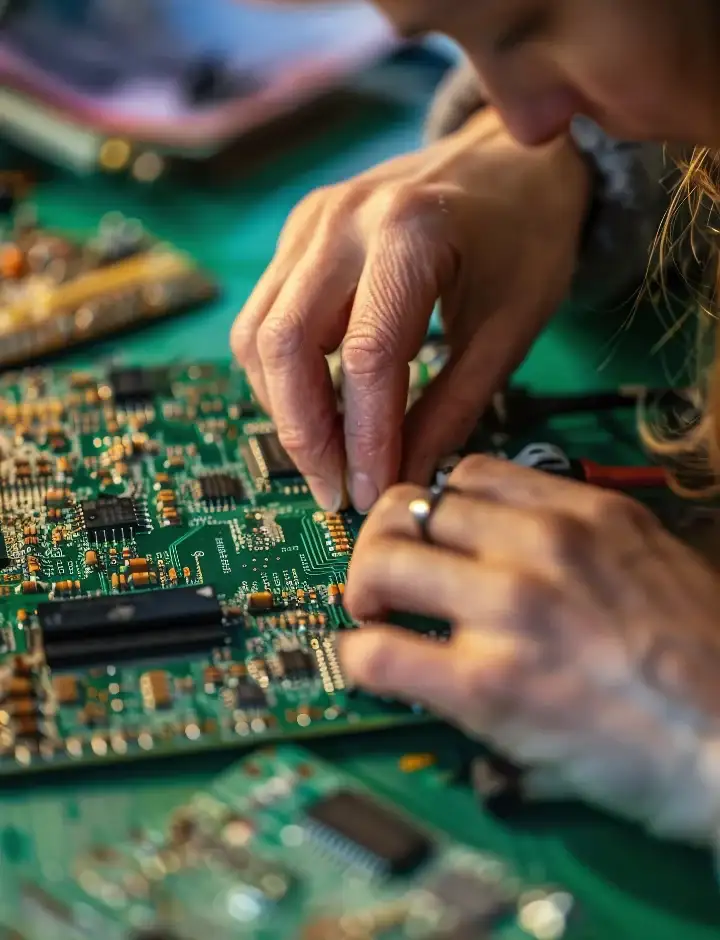
In today’s rapidly evolving hardware technology landscape, original equipment manufacturers (OEMs) face intense pressure to deliver high-performing products under tight market schedules. Developing cutting-edge industrial controls, medical diagnostic devices, and advanced automotive electronics require deep technical expertise and heavy capital investment. Consequently, partnering with a premier Electronic Manufacturing Services (EMS) provider has become an essential strategy for growing businesses across the USA. An experienced contract manufacturing partner manages the entire production lifecycle, including circuit design support, component sourcing, surface-mount assembly, and rigorous testing. Therefore, outsourcing your hardware fabrication directly lowers operational overhead, minimizes supply chain disruptions, and accelerates product launch timelines.
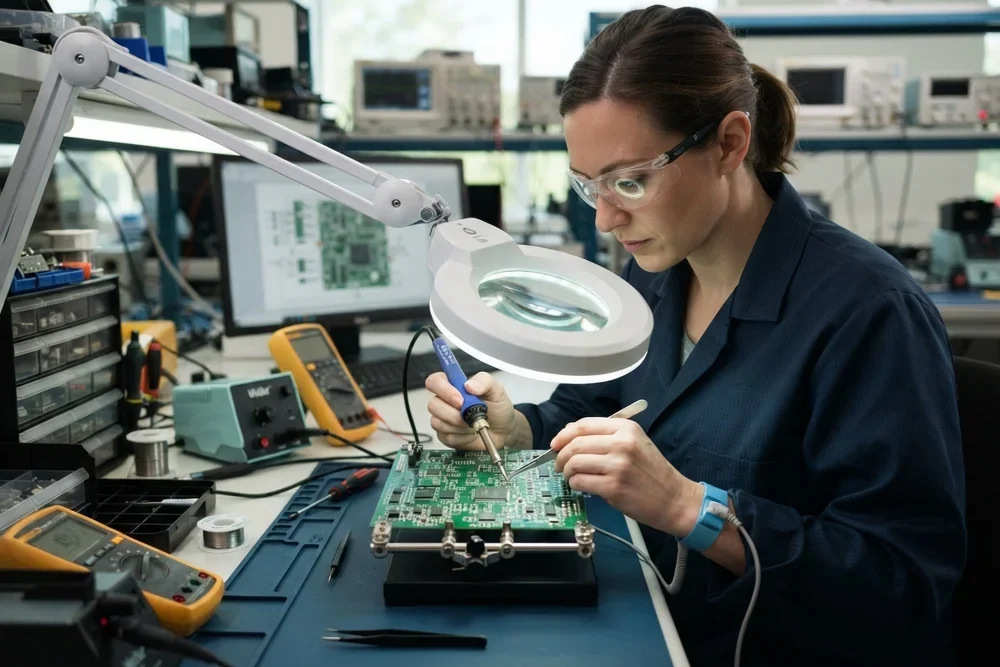
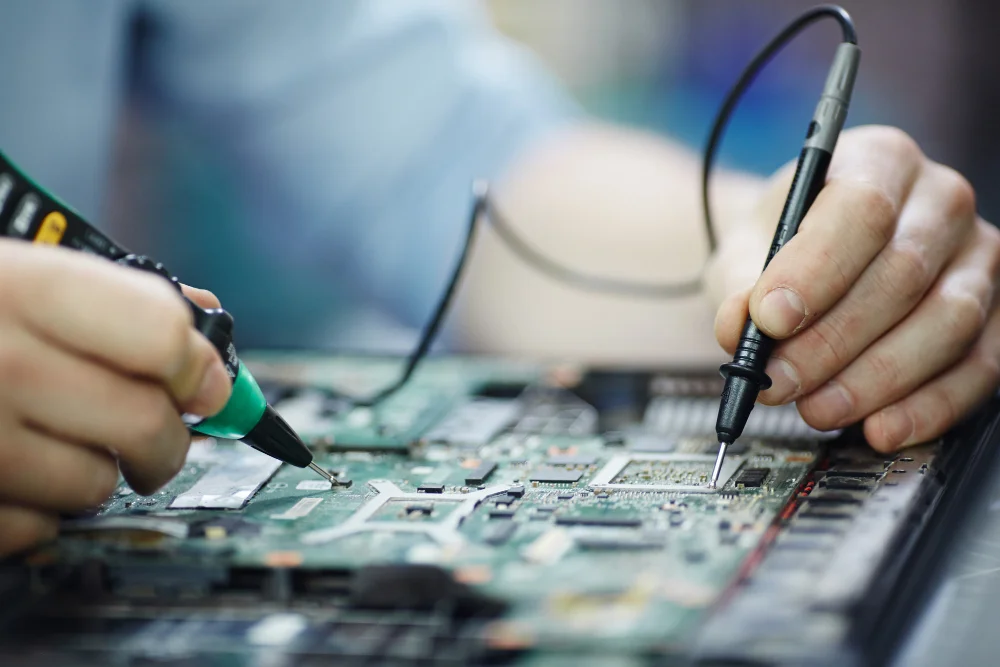
Building complex electronic sub-assemblies in-house without specialized automation equipment introduces severe operational bottlenecks. Manual component placement, unverified solder joints, and inconsistent testing methods lead to high defect rates and costly field recalls. However, leveraging certified electronic manufacturing services eliminates these operational risks by utilizing automated Surface Mount Technology (SMT) and Through-Hole Technology (THT) lines. Advanced automated optical inspection systems verify every micro-component placement with high precision. Consequently, your engineering team can seamlessly integrate reliable Electronics Contract Manufacturing into high-density device housing with total peace of mind.
Sourcing your hardware assembly needs from an established contract manufacturing facility allows your business operations to scale without physical space constraints. Dedicated production centers utilize automated quality control sweeps to ensure complete electrical integrity on every batch.
First, managing global component shortages requires proactive supply chain strategies and strong vendor relationships. A professional electronic manufacturing services facility analyzes your Bill of Materials (BOM) to identify obsolete parts, suggest functional equivalents, and secure volume pricing. Consequently, your production runs avoid sudden material delays and maintain full regulatory compliance. Securing this level of supply chain resilience is straightforward when working with a certified Wire Harness Contract Source.
Second, modern microelectronics require high-density interconnects (HDI) on multi-layer printed circuit boards. Advanced automated pick-and-place machinery installs ultra-fine pitch surface-mount devices with tight tolerances down to fractions of a millimeter. Furthermore, applying automated reflow soldering ensures your Electromechanical Assemblies maintain uncompromised signal performance and physical durability across years of continuous operation.
Verifying the quality diagnostic protocols of your contract partner is vital for maintaining total system reliability. Because a single cold solder joint can compromise complex control logic, every finished board assembly must pass rigorous testing.
Building a complete commercial machine requires connecting main printed circuit assemblies to internal power supplies and sensor networks. To streamline this manufacturing process, technical teams pair printed circuit boards with an optimized Industrial Assembly Framework. This integrated approach delivers a complete, drop-in internal infrastructure capable of carrying power and high-speed data cleanly. Sourcing these complete solutions from one domestic facility ensures all mating connectors align perfectly.
Modern hardware designs demand complete harmony between physical housing, central printed circuit boards, and custom internal wiring runs. Working with a single full-service manufacturing partner simplifies supplier management and shortens total time-to-market schedules.
To maintain high-speed data transmission, central circuit boards must connect cleanly to external ports via custom cable assemblies. Linking your board layouts with high-quality Custom Cable Assemblies protects sensitive microprocessors from external electrical interference. Consequently, your control modules maintain fast processing speeds without experiencing data dropouts. This hardware defense guards your central processing cards against field electrical faults.
Finally, your delicate printed circuit assemblies, power units, and wire networks require a durable physical enclosure to block dust, moisture, and impact. Contract partners pair their internal wiring and board layouts with complete Engineering Support Solutions. This unified workflow allows you to source both your electronic manufacturing services and your custom NEMA-rated metal enclosures from a single trusted domestic partner like Auctus Electro.
1.What services are included under Electronic Manufacturing Services (EMS)?
EMS encompasses a full range of manufacturing solutions, including PCB assembly, system integration, design for manufacturability (DFM), prototype development, supply chain management, and functional testing.
2.What is the difference between SMT and Through-Hole assembly?
Surface Mount Technology (SMT) places components directly onto the PCB surface for compact, high-density designs. Through-Hole Technology (THT) inserts components that lead into drilled holes, providing stronger mechanical bonds for heavy power components.
3.How does Design for Manufacturability (DFM) lower production costs?
DFM reviews circuit designs before production to identify layout issues, component availability risks, and assembly challenges. Fixing these factors early prevents costly engineering changes during mass production.
4.Can an EMS provider handle both low-volume prototyping and high-volume manufacturing?
Yes, leading EMS facilities offer flexible production capacity, allowing clients to validate prototypes before scaling seamlessly into high-volume manufacturing runs.
5. Where can I source certified Electronic Manufacturing Services in the USA?
You can partner with established domestic contract manufacturers like Auctus Electro to submit your engineering schematics, Gerber files, and BOM for a complete technical quotation.
In conclusion, accelerating your hardware development with certified electronic manufacturing services is a vital investment in product reliability, cost optimization, and market success. By prioritizing automated SMT assembly, rigorous functional testing, and full supply chain transparency, you safeguard your capital equipment against field failures. A premier partner like Auctus Electro provides the full-spectrum engineering expertise needed to transform your complex circuit schematics into high-volume production reality. Choose an engineered contract manufacturing partner that drives your business forward with safety, reliability, and precision.