- 3876 Industrial Ave, Rolling Meadows, IL 60008
- Info@auctuselectro.com

- 3876 Industrial Ave, Rolling Meadows, IL 60008
- Info@auctuselectro.com
Wiring Loom
- Home
- Wiring Loom
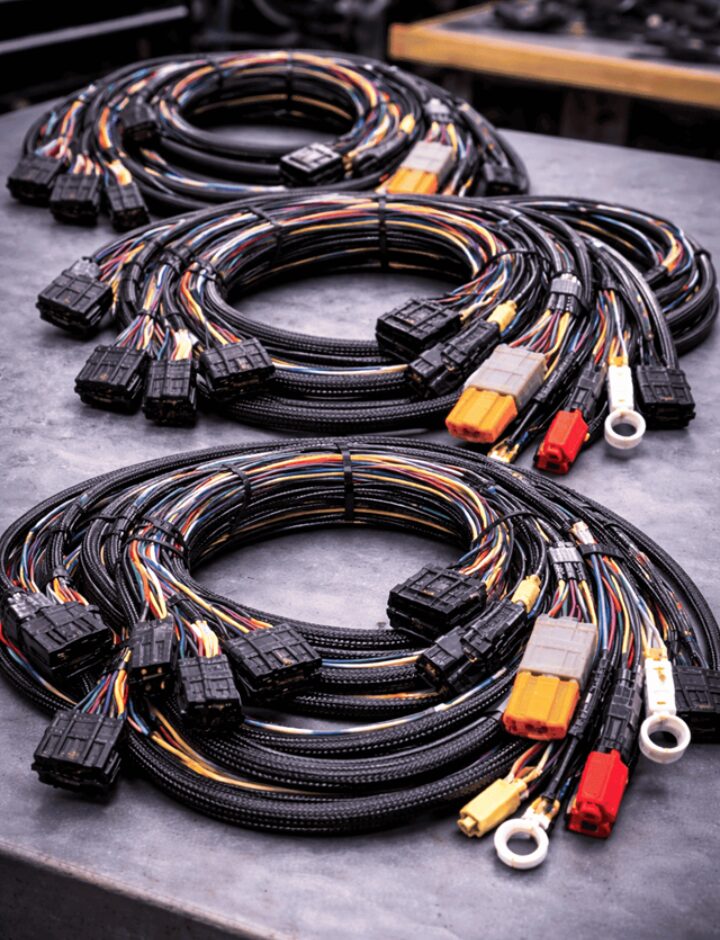
Wiring Loom : What It Is, Why It Matters, and How to Choose the Right One
Wiring Loom, Open the hood of any modern car, peek inside an industrial control panel, or look behind your home entertainment center. What do you see? A maze of wires. Now look closer. If those wires are neatly bundled, protected, and organized, you are looking at a wiring loom.
At Auctus Electro Assembly , we design and manufacture precision wiring loom solutions for automotive, industrial, medical, and military applications. With over 60 years of experience, we know that a good wiring loom isn’t just about looks—it is about safety, reliability, and long-term performance.
What Exactly Is a Wiring Loom?
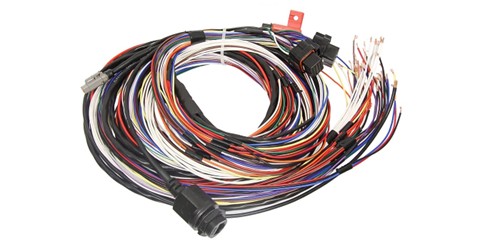
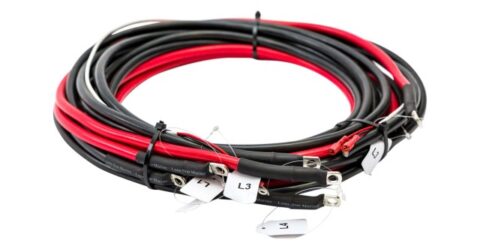
A wiring loom (also called a wire harness or cable loom) is a organized assembly of wires, cables, connectors, and protective sleeving. Think of it as the circulatory system of an electronic device or vehicle. Instead of dozens of loose wires flopping around, a wiring loom bundles everything into a single, manageable unit.
Here is what a typical wiring loom includes:
Component | Purpose |
Wires & Cables | Carry power and signals |
Connectors & Terminals | Plug into devices or power sources |
Sleeving or Conduit | Protects against abrasion, heat, and chemicals |
Tape or Zip Ties | Keeps the bundle tight and organized |
Labels | Identifies each wire for easy troubleshooting |
Why Your Project Needs a Professional Wiring Loom
You might be tempted to bundle wires yourself with generic zip ties and electrical tape. Here is why that is a bad idea—and why professional wiring loom solutions from Auctus Electro Assembly are worth the investment.
1.Safety First
Loose wires rub against metal edges, vibrate, and eventually wear through their insulation. The result? Sparks, blown fuses, or even a vehicle fire. A professionally designed wiring loom uses abrasion-resistant sleeving, grommets at pass-through points, and proper strain relief to prevent this.
2.Reliability
In critical applications—like medical devices or aerospace systems—a single wire failure can be catastrophic. Professional wiring loom assemblies undergo strict quality control and advanced testing to ensure every connection is perfect.
3.Easy Maintenance
When a wire fails in a messy bundle, finding the culprit takes hours. A labeled, organized wiring loom allows technicians to trace and replace wires in minutes. That means less downtime and lower labor costs.
4.Professional Appearance
First impressions matter. Whether you are building a custom car for a client or shipping industrial equipment, a clean wiring loom signals quality and craftsmanship.
Common Types of Wiring Loom Protection
Not all wiring loom materials are created equal. The right choice depends on your environment:
- Split Loom Tubing: Easy to install over existing wires. Great for automotive and DIY projects.
- Heat Shrink Tubing: Provides a tight, sealed fit. Ideal for high-temperature engine bays.
- Braided Sleeving: Flexible and abrasion-resistant. Common in robotics and aerospace.
- Corrugated Conduit: Heavy-duty protection for industrial machinery and off-road vehicles.
- Teflon (PTFE) Sleeving: Withstands extreme heat and chemicals. Used in military and medical devices.
How to Choose the Right Wiring Loom for Your Application
Follow these five steps to select the perfect wiring loom:
Step 1: Count Your Wires
Know exactly how many wires you need to bundle and their gauges (thickness). This determines the minimum sleeving diameter.
Step 2: Identify Environmental Hazards
- Heat? Use fiberglass or Teflon sleeving.
- Moisture? Use heat shrink or sealed connectors.
- Chemicals or oil? Use chemical-resistant PVC or Teflon.
- Physical impact? Use corrugated conduit or armored sleeving.
Step 3: Plan the Routing
Measure the path from point A to point B. Account for curves, engine movement, and pinch points. Always add 10–15% extra length for flexibility.
Step 4: Choose Connectors
Select connectors that are easy to reach and disconnect. Weatherproof connectors are a must for outdoor or under-hood applications.
Step 5: Label Everything
Professional wiring loom assemblies include printed heat-shrink labels or flag tags. You will thank yourself later during troubleshooting.
Frequently Asked Questions (FAQs)
Q1: Is a wiring loom the same as a wire harness?
Mostly yes. “Wiring loom” often refers to the protective sleeving. “Wire harness” includes connectors and terminals. Both bundle wires.
Q2: Can I install a wiring loom myself?
Yes for basic automotive looms. For complex or mission-critical systems, professional assembly ensures reliability.
Q3: How long does a wiring loom last?
Indoor: 10–20 years. Engine bay: 5–10 years with proper heat protection. Extreme environments: 3–5 years.
Q4: Does Auctus offer custom colors or labels?
Yes. We offer custom wire colors, printed heat-shrink labels, and numbered flag tags for easy identification
Q5: What industries do you serve?
Automotive, medical, military, aerospace, industrial machinery, and consumer electronics.
Conclusion
A messy tangle of wires is more than an eyesore—it is a safety hazard and a maintenance nightmare. A professional wiring loom protects your investment, simplifies repairs, and ensures your equipment runs reliably for years.
Do not leave your wiring to chance. Partner with a team that has been building precision looms for over six decades. Auctus Electro Assembly is ready to bring your project to life.
Ready to organize and protect your wiring? Contact Auctus Electro Assembly today for a custom quote and free consultation.

Go To Top