- 3876 Industrial Ave, Rolling Meadows, IL 60008
- Info@auctuselectro.com

- 3876 Industrial Ave, Rolling Meadows, IL 60008
- Info@auctuselectro.com
High Flex Cable
- Home
- High Flex Cable
High Flex Cable: The Complete Guide to Ultra Flexible Cable Solutions
In today’s world of continuous motion systems and dynamic machinery, reliable electrical connectivity under repeated mechanical stress is not optional — it is essential. This is where high flex cable becomes indispensable. Engineered to bend, flex, and twist millions of times without degrading, high flex cables are the backbone of modern automation, robotics, medical devices, and industrial control systems.
From high flex instrumentation cables carrying precision sensor signals to high flex cordsets delivering power to servo motors, these cables serve a critical role across virtually every dynamic application. This guide covers everything you need to know — construction, types, best practices, and FAQs.
What Is a High Flex Cable?
A high flex cable (also called an ultra flexible cable) is a specially constructed electrical cable designed to withstand continuous, repetitive bending and movement without losing electrical performance or suffering mechanical failure. Standard cables are built for static installation — high flex cables are engineered for life in constant motion.
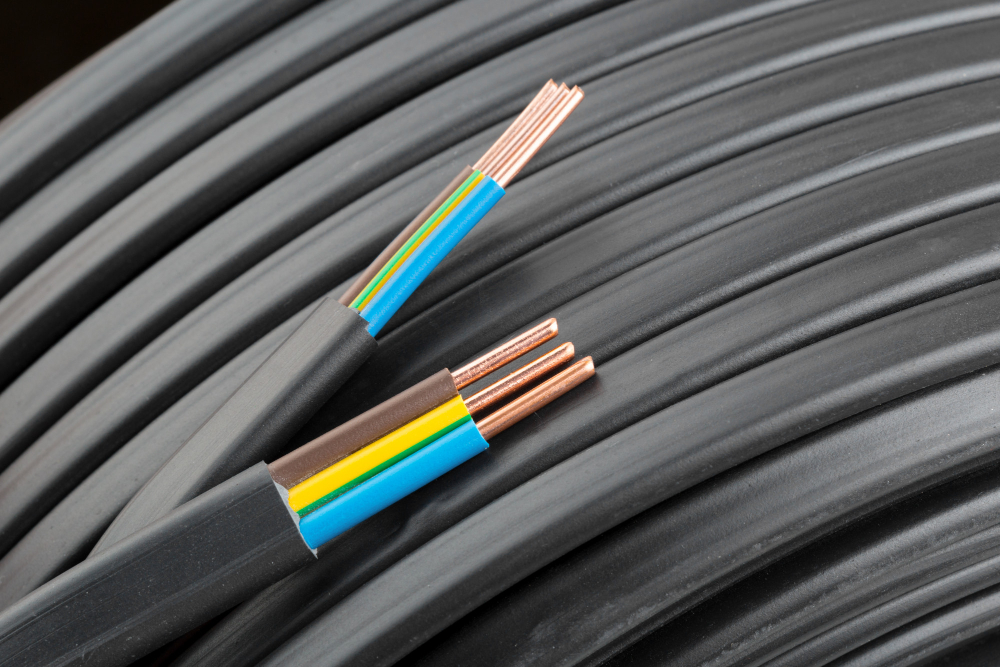
The construction typically involves finely stranded Copper conductors twisted at a specific lay length, wrapped in flexible insulation materials such as TPE or polyurethane, and protected by a braided or spiral EMI shield. Every layer is engineered to absorb mechanical stress and distribute it evenly across the cable’s cross-section.
Key Features of High Flex / Ultra Flexible Cable
High flex cables are designed with specific engineering features that set them apart from standard wiring:
- Extreme Flex Life: Rated for millions of bending cycles — ideal for drag chains, cable carriers, and robotic arms.
- EMI Shielding: Braided or spiral shields maintain signal integrity in electrically noisy environments.
- Temperature Resistance: Jacket materials rated for wide temperature ranges, from sub-zero cold rooms to high-heat industrial machinery.
- Low Capacitance: Critical for instrumentation cables where accurate, undistorted signal transmission is essential.
- Oil & Chemical Resistance: Polyurethane and specialized PVC jackets resist coolants, oils, and industrial fluids. l.
High Flexible Instrumentation Cable: Precision in Motion
High flexible instrumentation cables are a specialized subset of high flex cable designed to carry low-voltage signals — sensor readings, encoder data, thermocouple signals, and control data — in environments where the cable is in continuous motion. They are used extensively in CNC equipment, automated assembly lines, and process control systems.
Power and Control Cables: Built for Dynamic Loads
Beyond instrumentation signals, many applications require power and control cables that deliver current to motors, actuators, and servo drives while flexing continuously. These cables must handle higher voltages and amperage without heat buildup or insulation breakdown at the bend point.
At Auctus Electro Assembly, we engineer power and control cable assemblies that meet both the electrical demands (current rating, voltage class) and the mechanical demands (flex cycles, bend radius, environmental exposure) of your specific application
High Flex Cordsets: Ready-to-Use Connectivity
High flex cordsets are pre-terminated cable assemblies — high flex cable with connectors already installed on one or both ends. They deliver plug-and-play convenience for motion control components such as servo drives, motors, sensors, and actuators, without sacrificing the mechanical performance of the underlying flex cable.
Auctus Electro Assembly manufactures custom cordsets for both standard and non-standard connector configurations, including M8, M12, circular, and rectangular interfaces. Every assembly undergoes full electrical testing before shipment.
Applications of High Flex Cable
High flex cables are used across virtually every industry that relies on dynamic machinery:
Industrial Robotics & Automation
Robot arms, gantry systems, and pick-and-place machines demand millions of flex cycles with zero tolerance for downtime or signal interruption.
Medical Devices
Surgical equipment, patient monitoring systems, and imaging devices require cables that flex with precision and meet strict biocompatibility and safety standards.
CNC Machining & Machine Tools
Servo-driven axes require flex cables routed through drag chains with thousands of daily cycles, often in the presence of coolants and metallic chips.
Transportation & Bus Transit
Door mechanisms, articulated bus joints, and moving train platforms require cables rated for continuous outdoor flex use in all weather conditions.
Transportation & Bus Transit
Door mechanisms, articulated bus joints, and moving train platforms require cables rated for continuous outdoor flex use in all weather conditions.
Consumer Electronics & Gaming
Ribbon cables and flex circuits inside gaming peripherals, laptops, and foldable devices must withstand years of repeated opening and closing.
Automotive
Trunk harnesses, door harnesses, and EV battery management systems require cables that flex reliably over the full lifetime of the vehicle.
Choosing the Right High Flex Cable for Your Application
Selecting the correct high flex cable requires matching cable specifications to your application’s specific mechanical and electrical demands. Key selection criteria include:
- Flex cycle rating at your required bend radius
- Conductor gauge and current-carrying capacity
- Jacket material suitability for your environment (oil, heat, cold, chemicals)
- Shield type (braided vs. spiral) based on EMI environment
- Connector and termination requirements for your system interface
- Applicable certifications (UL, CE, RoHS, LSZH)
Working with an experienced partner like Auctus Electro Assembly ensures that every specification is matched to your exact application — and that each assembly is tested before it reaches your production line.
FAQs About High Flex Cable
1. What is the difference between a high flex cable and a standard flexible cable?
Standard flexible cables are designed for occasional movement or installation convenience. High flex cables are engineered for continuous, repetitive bending — often millions of cycles — without conductor breakage, insulation cracking, or shield failure. The difference lies in conductor stranding, insulation material, jacket compound, and tested flex cycle ratings.
2. How many flex cycles can a high flex cable withstand?
It depends on construction and application parameters (bend radius, speed, environment). Entry-level high flex cables may be rated for 1–2 million cycles. Premium ultra-flex cables can exceed 10 million cycles at the specified dynamic bend radius.
3. Can high flex cables be used in drag chain applications?
Yes — drag chain use is one of the primary applications for high flex cables. Select a cable specifically rated for cable carrier use, size the track correctly, allow proper slack, and avoid overfilling the track to prevent premature wear from cable-on-cable friction.
Conclusion
High flex cable is the foundation of reliable electrical connectivity in every application where motion is a constant. Whether you need high flexible instrumentation cables for precision signal transmission, power and control cables for dynamic drive systems, or ready-to-deploy high flex cordsets, choosing the right cable — and the right manufacturing partner — determines the long-term success of your system.
Website : https://auctuselectro.com/
E-mail : Info@auctuselectro.com
Go To Top