- 3876 Industrial Ave, Rolling Meadows, IL 60008
- Info@auctuselectro.com

- 3876 Industrial Ave, Rolling Meadows, IL 60008
- Info@auctuselectro.com
Scaling Your Custom Wire Harness Assembly Without Compromise
- Home
- Scaling Your Custom Wire Harness Assembly Without Compromise
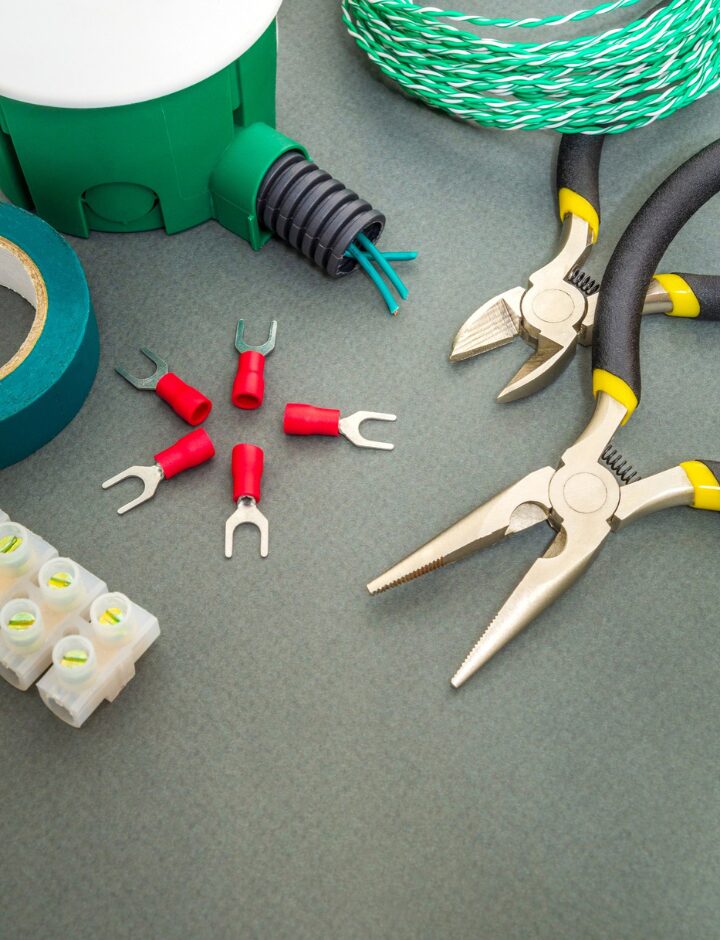
Prototype to Production: Scaling Your Custom Wire Harness Assembly Without Compromise
Custom Wire Harness Assembly, This is the moment when many promising products fail. Not because the design was flawed, but because the journey from prototype to production revealed problems no one anticipated. Materials that worked for five units become unavailable at scale. Processes that were “good enough” for the lab become bottlenecks on the line. Quality that was inspected into each prototype becomes impossible to sustain.
At Auctus Electro Assembly, we have guided custom wire harness assemblies through this transition for over 60 years. Here is what the journey looks like and how to navigate it without compromising quality, cost, or timeline.
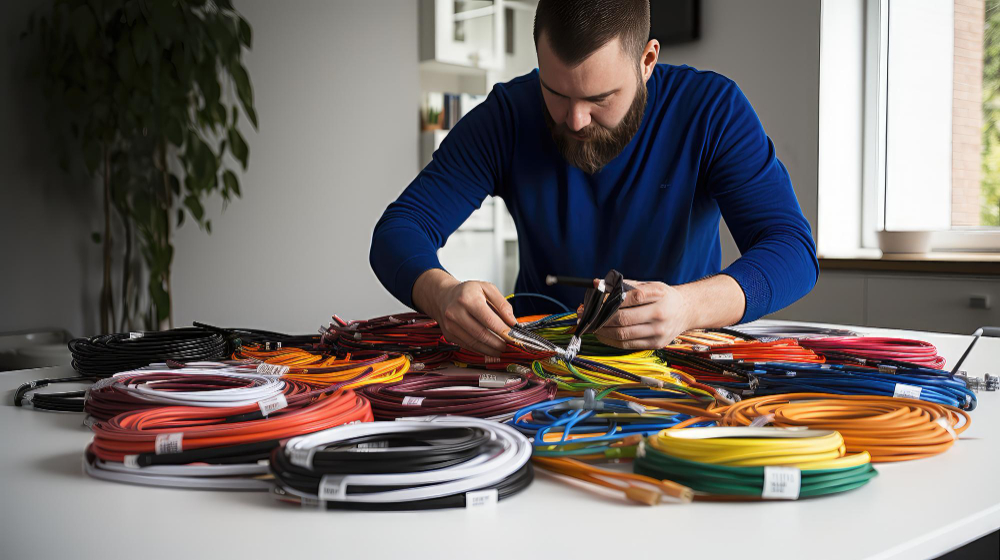
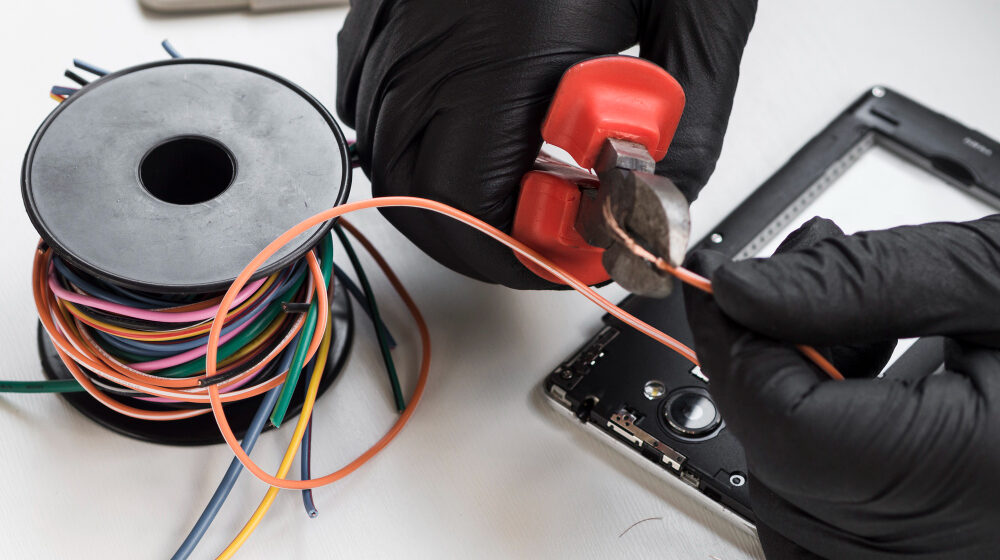
Phase 1: Design for Scalability
The prototype was built to prove function. Production requires a design built to be manufactured repeatedly, efficiently, and cost-effectively.
What Changes from Prototype to Production
Prototype Focus | Production Focus |
Does it work? | Can we build it 10,000 times identically? |
Any parts available? | Are parts available in production volumes? |
Hand-assembled by engineers | Process-driven by trained technicians |
Visual inspection | Automated testing and SPC |
The Auctus Approach
Before scaling begins, our engineering team conducts a Design for Manufacturability (DFM) review. We identify:
- Components that are obsolete or have long lead times
- Tolerances that are unnecessarily tight (and expensive)
- Assembly steps that could be combined or automated
- Test points that need to be accessible for volume testing
Phase 2: Material Strategy for Scale
The components that were easy to source for five prototypes may be impossible to get for 5,000 production units.
Material Risks at Scale
- Lead times: Some connectors have 20+ week lead times. If you discover this at launch, production stops.
- Minimum order quantities: The reel of terminals that cost $50 for prototyping may require a $5,000 minimum buy for production.
- Obsolescence: Components that were “active” six months ago may be “end of life” today.
The Auctus Solution
We provide supply chain and inventory management that anticipates these challenges:
- Early identification of long-lead components
- Strategic stocking to buffer against shortages
- Alternative sourcing options for critical parts
- Obsolescence monitoring and lifecycle management
Phase 3: Process Qualification
A process that builds five good prototypes may not build 5,000 good production units. Variability that was invisible at low volumes becomes obvious at scale.
What Must Be Qualified
- Crimp quality: Tens of thousands of terminations must meet the same specs as the first five.
- Assembly sequence: The order of operations affects cycle time and quality.
- Test fixtures: What worked for manual probing must be replaced by automated test systems.
- Operator training: Tribal knowledge must become documented procedures.
The Auctus Method
We treat the transition from prototype to production as a qualification event:
Enhanced Durability
- Pilot runs validate process stability before full production
- Statistical process control (SPC) monitors key parameters
- Work instructions are documented and verified
- Technicians are trained to the same standards as the engineers who built the prototypes
Phase 4: Testing at Scale
Testing five prototypes is easy. Testing 5,000 production units requires a different mindset.
The Testing Challenge
In prototype phase, you can inspect each unit visually, test each function manually, and document results by hand. In production, that approach would stop the line.
The Auctus Solution
We design production-ready test strategies that scale:
- Automated test fixtures that verify every conductor, every connection, every shield
- Hi-pot testing integrated into the production flow
- Data collection that links test results to each serial number
- Statistical analysis that identifies trends before they become failures
Phase 5: Documentation and Traceability
The prototype lived in a lab. Production lives in a regulated world.
What Production Demands
- Certified test reports for every shipment
- Material traceability back to specific lots
- First Article Inspection (FAI) documentation
- Revision control for engineering changes
The Auctus Infrastructure
We maintain full traceability throughout production:
- Lot-level tracking from raw material to finished assembly
- Operator-attributed production records
- Machine-parameter data retention
- 10+ year electronic record retention
Conclusion :
Auctus Electro Assembly has been guiding companies through this transition for over 60 years.
Contact us today. Tell us where you are in your journey. We will help you navigate the path forward—without compromise.
Auctus Electro Assembly,
Trusted partner for wire harness, cable assembly, and electronics manufacturing since 1962.
Rolling Meadows, IL
Info@auctuselectro.com
https://auctuselectro.com/

Go To Top