- 3876 Industrial Ave, Rolling Meadows, IL 60008
- Info@auctuselectro.com

- 3876 Industrial Ave, Rolling Meadows, IL 60008
- Info@auctuselectro.com
Properties of High-Quality Cable Insulation
- Home
- The 7 Key Properties of High-Quality Cable Insulation

Cable Insulation Mastery: 7 Properties That Matter Most
In the world of electronics, aerospace, medical devices, and industrial automation, the performance of a system hinges on the reliability of its most fundamental component: the wiring. At Auctus Electro, as a specialized cable harness manufacturer, we know that a durable, safe, and efficient wire harness or cable assembly doesn’t start with the connector or the braiding—it starts with the cable insulation.
Think of insulation as the first line of defense. It’s the protective layer that guards the conductive core against the external world while preventing internal short circuits. Choosing the right insulation material isn’t just a specification; it’s a critical engineering decision that affects safety, longevity, and performance.
So, what separates a premium cable insulation from a subpar one? Here are the seven key properties we meticulously evaluate and specify for every cable harness we design and produce at Auctus Electro.
1. Dielectric Strength
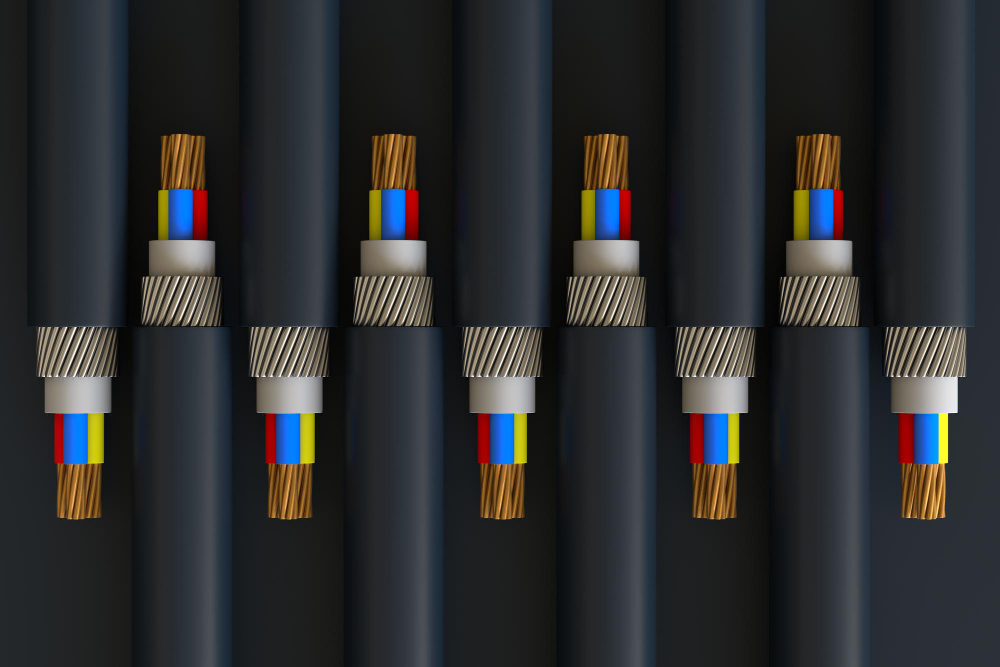
This is arguably the most crucial property. Dielectric strength measures the insulation material’s ability to withstand high voltages without breaking down or allowing current to pass through. It’s the difference between safe operation and a catastrophic failure. High-quality insulation maintains a high dielectric strength across its service life, ensuring that your cable assembly can handle voltage spikes and operational stresses without risk.
2. Thermal Resistance & Temperature Ratin
A wire harness rarely operates in a perfectly temperate, controlled environment. It might be near a hot engine, inside a freezing outdoor enclosure, or adjacent to heat-generating components. Superior cable insulation has a wide and clearly defined operating temperature range. It won’t melt, become brittle, or lose its protective properties when exposed to thermal extremes, ensuring consistent performance from -55°C to 150°C or beyond, depending on the material (like XLPE or PTFE).
3. Chemical and Environmental Resistance
Will the cable harness be exposed to oils, solvents, acids, or moisture? Insulation acts as a chemical barrier. High-quality materials (like certain thermoset rubbers or specialized polymers) resist swelling, cracking, or degradation when exposed to harsh chemicals, UV radiation, ozone, and humidity. This property is vital for longevity in automotive, marine, and industrial applications.
4. Mechanical Durability (Abrasion & Cut-Through Resistance)
During installation and throughout its lifecycle, a cable assembly faces physical abuse—pulling through conduits, rubbing against surfaces, or being pinched in tight spaces. Robust insulation offers excellent abrasion and cut-through resistance. This means the protective jacket won’t wear thin easily, safeguarding the conductors inside from exposure and potential short circuits.
5. Flexibility and Elasticity
A static wire in a server rack has different needs than a wire harness inside a robotic arm that cycles thousands of times a day. Quality insulation for dynamic applications remains flexible and elastic over time, resisting cracking from repeated bending or flexing. This property is essential for ensuring the longevity of moving cable assemblies.
6. Flame Retardancy and Low Smoke Emission
Safety is non-negotiable. In the event of a fire, high-quality cable insulation is designed to be self-extinguishing (flame retardant) and produce minimal toxic smoke (Low Smoke Zero Halogen – LSZH). This property is critical for confined spaces like aircraft, mass transit vehicles, and high-rise buildings, as it helps contain fire and allows for safer evacuation.
7. Long-Term Stability & Aging Resistance
The true test of quality is time. Premium insulation materials are formulated to resist “environmental stress cracking” and maintain their key properties (dielectric strength, flexibility) over decades. They are resistant to aging caused by heat, oxygen, and other environmental factors. This long-term stability is what turns a good cable harness into a reliable, set-and-forget component of your system.
Why These Properties Matter to You, The Customer
As an experienced cable harness manufacturer, Auctus Electro doesn’t just source wire; we engineer solutions. Understanding these seven properties allows us to partner with you effectively:
- Informed Material Selection: We help you choose between PVC, XLPE, PTFE, Silicone Rubber, or other insulations based on your application’s specific thermal, chemical, and mechanical demands.
- Risk Mitigation: Specifying insulation with the correct dielectric strength and flame retardancy directly mitigates risks of electrical failure and fire.
- Total Cost of Ownership: A higher upfront cost for cable with superior environmental and aging resistance often translates to dramatically lower lifetime costs by preventing premature failures, downtime, and replacements.
- Reliability by Design: Every wire harness and cable assembly we build is only as reliable as its weakest point. By insisting on wire with high-quality insulation, we build inherent reliability into the very core of your product.
Partner with a Manufacturer Who Understands the Core
The difference between a functional cable and an exceptional one lies beneath the surface. At Auctus Electro, our expertise goes beyond assembly. We understand the fundamental science of cable insulation and apply this knowledge to design and manufacture wire harnesses and cable assemblies that meet the highest standards of performance, safety, and durability.
Ready to build a product with a foundation of quality? Contact Auctus Electro today.
Go To Top