
- 3876 Industrial Ave, Rolling Meadows, IL 60008
- Info@auctuselectro.com
- 3876 Industrial Ave, Rolling Meadows, IL 60008
- Info@auctuselectro.com

Smart Wiring Insights
- Home
- Smart Wiring Insights

Shielded Cable Wire Selection: The Engineer’s Technical Guide
In an era of escalating electromagnetic interference (EMI) and radio frequency interference (RFI), the unassuming shielded cable wire has evolved from a specialized component to an engineering imperative. For system designers, integrators, and OEMs across aerospace, defense, medical technology, and advanced industrial automation, signal integrity isn’t just a performance metric—it’s the bedrock of reliability, safety, and functionality.
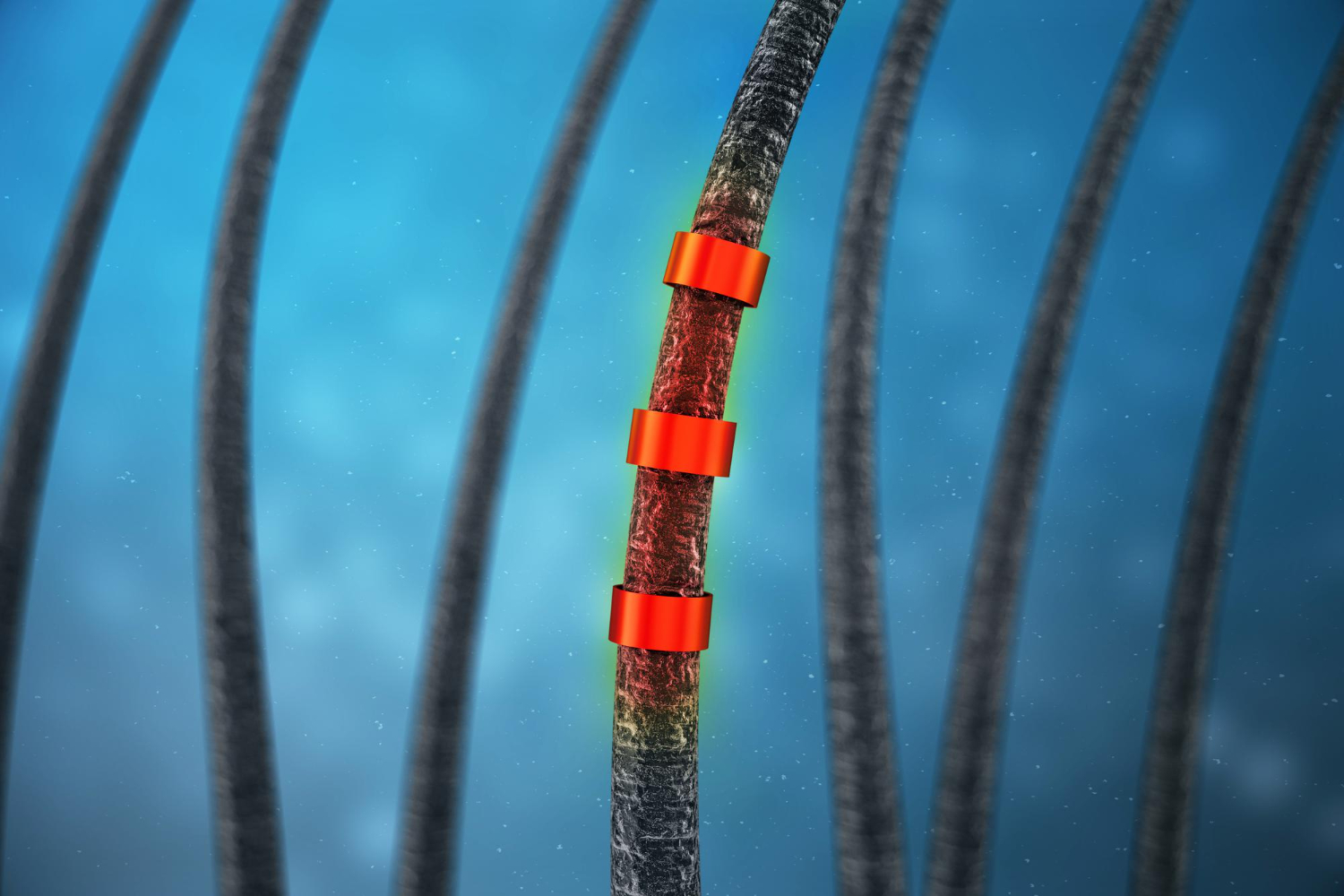
Understanding the Shield: More Than Just a Layer
At its core, shielding is a conductive barrier—a Faraday cage for your signal conductors. Its primary function is to:
- Contain electromagnetic energy emitted from the cable, preventing it from becoming a noise source for nearby equipment.
- Exclude external electromagnetic energy from disrupting the sensitive signals within the cable.
The effectiveness of this barrier depends on a confluence of material, construction, and application-specific factors.
Key Technical Parameters for Selection
A systematic approach to selection involves evaluating these critical parameters:
1. Shielding Type and Coverage
The construction of the shield dictates its performance characteristics.
- Braid (Spiral or Basket): Typically tinned or bare copper. Offers excellent flexibility, high mechanical strength, and good low-frequency magnetic shielding. Coverage (the percentage of the underlying area physically covered) is crucial; 85%-95% is standard for high-performance applications.
- Foil (Aluminum/Polyester Laminate): Provides 100% coverage at high frequencies. Excellent for mitigating capacitive coupling and high-frequency RFI. Less durable mechanically and requires a drain wire for grounding.
- Combination (Foil + Braid): The hybrid solution. The foil provides 100% coverage for high-frequency noise, while the braid adds mechanical robustness and improved low-frequency performance. This is often the choice for severe EMI environments.
2. Shielding Effectiveness (SE)
Expressed in decibels (dB), SE is the quantitative measure of a shield’s ability to attenuate electromagnetic energy. A higher dB rating indicates greater attenuation. This is not a static number; it is frequency-dependent. A quality specification sheet will provide an SE graph across a frequency range relevant to your application (e.g., 30 MHz to 1 GHz).
3. Frequency Domain Considerations
Your operating environment dictates your shielding needs.
- Low-Frequency Magnetic Fields (<100 kHz): Difficult to shield. May require specialized high-permeability materials (e.g., MuMetal) or twisted pair configurations within the shield.
- High-Frequency RFI (>100 kHz): Effectively addressed by foil and braid shields due to the “skin effect,” where current flows on the surface of the conductor.
4. Environmental and Mechanical Factors
The shield must survive the application.
- Flex Life: Will the cable be in a static installation or on a robotic arm? Spiral shields offer superior flex life over rigid braids.
- Chemical & Temperature Resistance: The shield material and overall jacket must withstand oils, solvents, and operational temperature extremes without degrading.
- Crimpability & Termination: The shield must be properly terminated to maintain its integrity. This involves selecting compatible connectors and employing correct crimping or soldering techniques to ensure a 360-degree ground connection.
The High Cost of Specification Error
Under-specifying shielding leads to data corruption, system lockups, and compromised safety—issues often diagnosed late in the development cycle or, worse, in the field, leading to costly recalls and reputational damage.
Over-specifying, however, incurs unnecessary cost, increases cable stiffness, and complicates installation without providing a tangible benefit. The goal is application-appropriate optimization.
The Auctus Electro Advantage: From Specification to Integrated Solution
At Auctus Electro, we understand that a shielded cable is not an off-the-shelf commodity but a defined system component. Our engineering-led approach transforms the selection challenge into a reliability advantage.
Our Integrated Shielding Services:
- Application-Specific Consultation: Our engineers work with your team to analyze your EMI environment, signal types, and mechanical requirements to recommend the optimal shielding strategy—be it braid, foil, combination, or a custom configuration.
- Full-Integration Cable Harness Manufacturing: The shield is only as good as its termination. We don’t just supply cable; we design and manufacture complete shielded cable assemblies and wire harnesses. Our precision termination processes ensure the shield is correctly grounded to the connector, preserving the Faraday cage integrity throughout the entire assembly.
- Prototyping & Validation Support: We build functional prototypes for your testing phase, allowing you to validate signal integrity and EMI performance in real-world scenarios before finalizing your design.
- Supply Chain & Quality Assurance: We source premium shielding materials and subject our finished cable assemblies to rigorous testing, including continuity checks and shield effectiveness verification, ensuring every unit meets the exacting standard your application demands.
Conclusion: Shielding as a Systems Engineering Discipline
Selecting shielded cable wire is a fundamental exercise in systems engineering. It requires balancing electromagnetic theory, material science, and practical installation constraints.
Engineer with confidence. Specify with precision.
Ready to translate shielding theory into a reliable, high-performance cable assembly? Contact the engineering team at Auctus Electro today to begin a technical consultation.