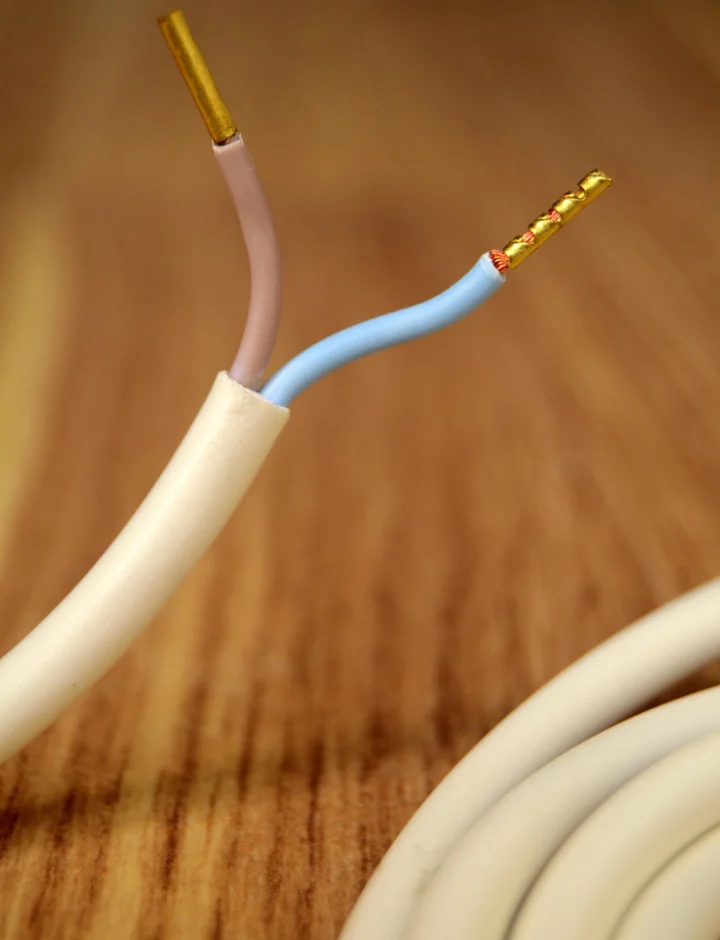

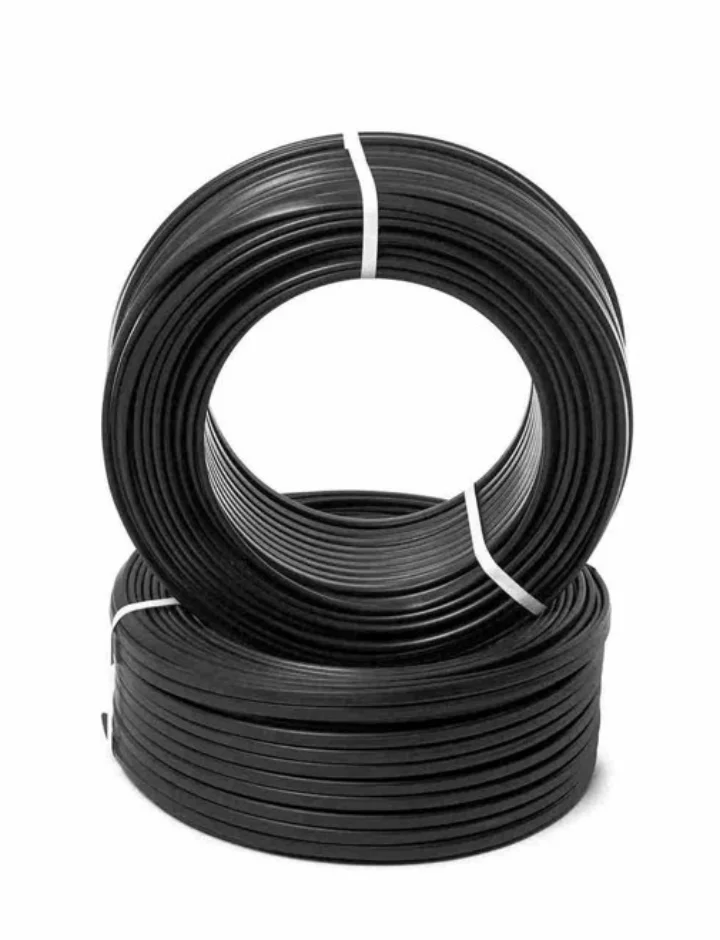
Modern municipal utility networks, natural gas lines, and telecommunication grids rely heavily on buried infrastructure. However, locating non-metallic plastic pipes after burial presents a massive challenge for maintenance crews. Digging blindly risks catastrophic utility strikes, expensive service disruptions, and severe safety hazards. Consequently, installing a high-visibility Tracer Wire alongside underground utility lines has become a universal requirement across the USA. Also known as locating wire, this specialized conductor radiates a detectable signal from surface transmitters directly to receiver wands above ground. Therefore, implementing a certified locating pathway ensures fast, pinpoint utility mapping before any excavation work begins.
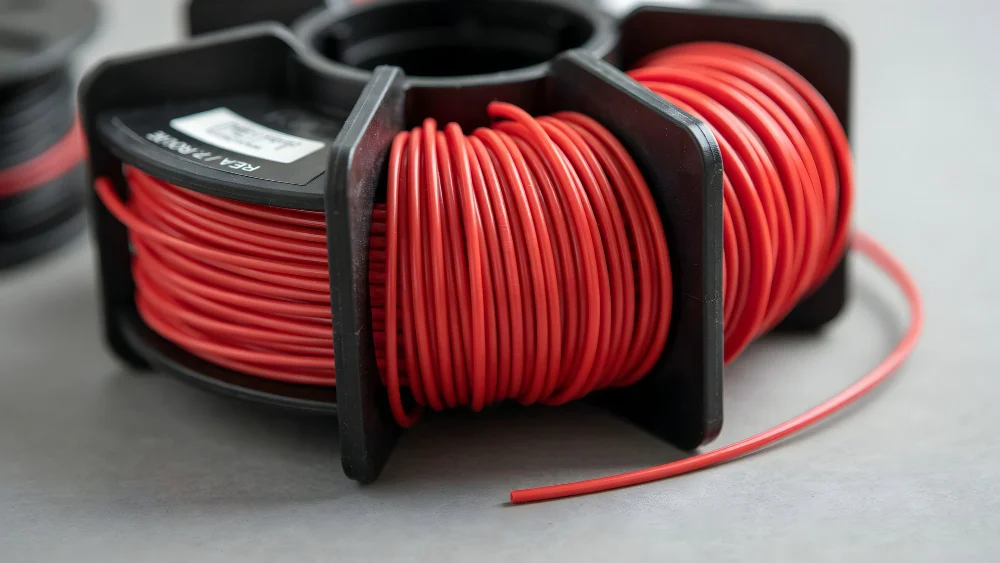
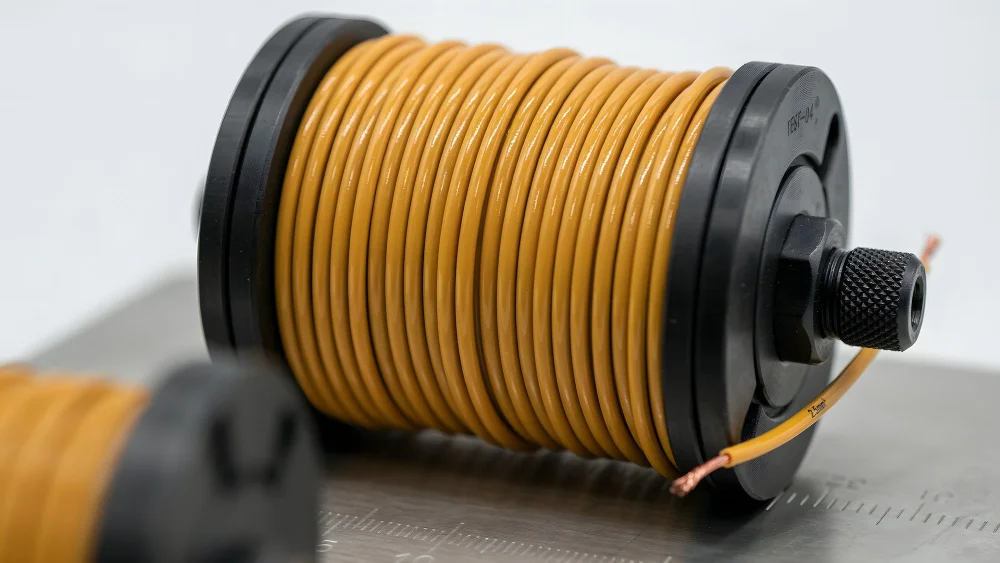
Standard electrical copper wire quickly corrodes when exposed to damp soil, acidic fertilizers, and underground moisture. Furthermore, low-grade jackets crack underground movement, severing the continuous signal path needed for surface locators. However, deploying a purpose-built tracer wire system resolves these subterranean hazards completely by utilizing thick High-Density Polyethylene (HDPE) insulation. This rugged jacket guards the internal conductor core against moisture penetration and physical crushing. Consequently, your utility installation crew can easily deploy a reliable Underground Wiring System that remains fully detectable for decades.
Selecting the right conductor composition and insulation rating is vital for maintaining long-term signal strength. Understanding these technical parameters helps engineering contractors choose the optimal locating setup for specific soil conditions.
First, choosing between conductor materials directly impacts both tensile break strength and project costs. While solid copper provides high conductivity, it stretches and breaks easily during horizontal directional drilling (HDD). Alternatively, Copper-Clad Steel (CCS) combines the signal conductivity of copper with the high break load of steel. Consequently, CCS withstands intensely pulling forces without snapping underground. Securing this balanced approach to utility infrastructure design is straightforward when you partner with a certified Subterranean Utility Team.
Second, the American Public Works Association (APWA) enforces strict color-coding standards for all underground locating lines. Yellow jackets designate natural gas lines, blue indicates potable water, green marks sewer systems, and purple represent reclaimed water. Furthermore, pairing color-coded HDPE insulation with proper wire gauge sizing guarantees your Custom Utility Assemblies meet all municipal locating codes without failing underground inspection audits.
Laying the conductor next to the pipe is only part of a complete utility locating system. High-performance installations incorporate dedicated surface access hardware to maintain clear signal injection points.
Building complete commercial development requires linking subterranean utility lines cleanly into main distribution panels. To simplify this installation process, civil engineering teams connect underground locator networks directly with a complete Infrastructure Supply Framework. This unified layout speeds up final site certification and prevents mechanical connection errors during heavy earth-moving phases.
Modern municipal utilities require seamless coordination between physical pipe tracking lines, digital telemetry units, and surface control cabinets. Contracting a single full-service manufacturer simplifies vendor logistics and shortens project lead times.
To ensure active remote monitoring, underground locator feeds must integrate cleanly with surface telemetry systems. Linking your buried signal pathways with high-quality Printed Monitoring Electronics protects sensitive data loggers against stray ground transients. Consequently, your monitoring equipment processes field signals accurately without experiencing data corruption. This hardware defense guards your central control systems against ground electrical faults.
Finally, surface test stations, monitoring modules, and connection terminals require a heavy-duty physical cabinet to block rain, dirt, and vehicular impact. Full-service contract partners pair their wire supply capabilities with specialized Field Engineering Support. This end-to-end service allows you to source custom tracer wire inventory, electronic terminal units, and rugged NEMA-rated outdoor enclosures from a single trusted domestic partner like Auctus Electro.
1.What is the primary purpose of a tracer wire?
A tracer wire is buried alongside non-metallic underground pipes (such as plastic, PVC, or clay) so above-ground locating equipment can detect the pipe’s exact location using radio frequencies.
2.What wire gauge (AWG) is recommended for tracer wire installations?
Common gauges include 18 AWG, 14 AWG, 12 AWG, and 10 AWG. Open-trench installations typically use 14 or 12 AWG, while heavy-duty directional drilling (HDD) requires stronger 12 or 10 AWG Copper-Clad Steel.
3. Why is HDPE insulation preferred over standard PVC for direct burial?
High-Density Polyethylene (HDPE) offers superior resistance to moisture absorption, soil chemicals, crushing, and abrasion compared to standard PVC, making it ideal for long-term direct burial.
4.What happens if a tracer wire breaks underground?
A break interrupts the electrical locating signal, making the pipe invisible to surface transmitters beyond the point of the break. Using waterproof gel-filled connectors and high-strength CCS wire prevents these breaks.
5.How do I choose the correct color tracer wire for my project?
Follow APWA uniform color standards: Yellow for Gas, Blue for Water, Green for Sewer, Purple for Reclaimed Water, Red for Power, and Orange for Telecommunications.
In conclusion, protecting buried infrastructure with certified tracer wire systems is an indispensable investment in utility safety, damage prevention, and regulatory compliance. By prioritizing high-strength Copper-Clad Steel, APWA color-coded HDPE jacketing, and waterproof direct-bury splicing, you protect underground pipe networks against accidental excavator strikes. Full-service partners like Auctus Electro deliver the technical precision, quality components, and integrated manufacturing support needed to execute complex utility projects seamlessly. Choosing a high-durability locating solution ensures your subterranean infrastructure remains safely detectable for decades to come.