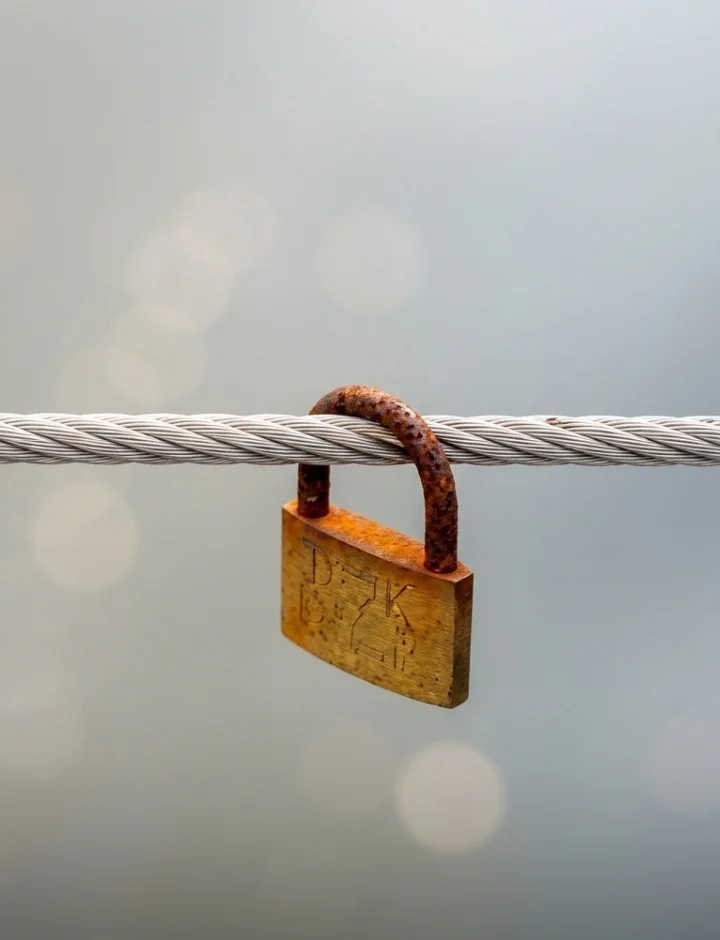

In heavy industrial operations, maritime logistics, and high-capacity hoisting systems, mechanical integrity depends on continuous tensile strength. Massive dynamic loads, constant bending stresses, and aggressive atmospheric exposure challenge heavy equipment every day. Consequently, selecting the correct steel wire rope configuration is a critical engineering requirement for equipment managers across the USA. High-grade multi-strand steel cables provide exceptional load distribution, high fatigue resistance, and predictable performance. Therefore, integrating certified wire rope assemblies directly prevents catastrophic line snapping, extends crane sheath life, and ensures maximum operational safety.
Deploying standard or unverified wire cables in heavy-duty lifting applications introduces severe operational risks. Low-grade steel strands quickly succumb to internal friction, surface abrasion, and bird caging under heavy load cycles. However, implementing engineered steel wire rope designs eliminates this early failure points through optimized strand lay and core selection. This structural precision allows internal strands to shift smoothly during bending without causing internal wire fractures. This high-capacity mechanical foundation allows you to deploy Heavy Lifting rig Assemblies through your industrial operations safely.
Sourcing heavy-duty wire rope from a dedicated contract manufacturing partner allows your lifting and rigging operations to scale seamlessly. Every cable spool undergoes strict tensile testing to guarantee uncompromised load safety across your network.
First, choosing the proper core construction determines how a cable responds to crush forces and thermal exposure. A fiber core (FC) offers superior flexibility and retains internal lubricants for smooth pulley movement. However, an Independent Wire Rope Core (IWRC) provides maximum resistance to drum crushing and withstands higher operating temperatures. Consequently, selecting an IWRC configuration guarantees structural stability during high-tonnage crane lifts. Securing this level of mechanical performance is straightforward when working with a certified Custom Wire Rigging Source.
Second, operating in marine ports, offshore rigs, or chemical plants exposes lifting lines to severe atmospheric oxidation. Unprotected carbon steel cables rust rapidly, weakening outer strands and causing sudden load drops. Advanced steel wire rope production applies thick hot-dip galvanized coatings or uses high-nickel stainless steel alloys. This protective barrier ensures your Tailored Electromechanical Cable Layout resists saltwater corrosion and chemical exposure over years of continuous service.
Verifying the quality diagnostic protocols of your manufacturing partner is vital for maintaining job site safety compliance. Because a single broken outer strand can indicate deeper internal wear, every lifting line must adhere to strict diagnostic standards.
Building a reliable industrial hoisting framework requires connecting heavy cable lines to primary power winches and crane drums. To streamline this engineering process, technical teams’ pair heavy rigging lines with an optimized Industrial Cable System. This integrated approach delivers a complete, drop-in mechanical solution capable of handling high dynamic loads cleanly. Sourcing these heavy assemblies from a single domestic facility ensures all fittings match perfectly.
As modern lifting infrastructure transitions toward automated cranes and smart winching systems, heavy mechanical cables must work alongside electronic sensors. Modern control hubs require clean data feedback from load cells and tension monitors.
To prevent overload conditions, real-time load cell sensors monitor cable tension during every lift. Building these complex telemetry connections requires high-quality Electronics Contract Manufacturing options that protect microcontrollers from electrical interference. Consequently, your monitoring networks maintain accurate load tracking without experiencing signal dropouts. This hardware defense guards your primary control cards against field electrical faults.
Finally, your winching control modules, load sensors, and hydraulic drives require a heavy-duty physical shield to block dirt, moisture, and impact. Contract manufacturing partners pair their internal wiring layouts with complete Engineering Support Solutions. This unified workflow allows you to source both your steel wire rope terminations and your NEMA-rated steel control enclosures from one trusted domestic partner.
1.What is the main difference between 6×19 and 8×19 steel wire rope constructions?
A 6×19 classification offers high abrasion resistance due to larger outer wires. Alternatively, an 8×19 classification provides greater flexibility for smooth operation over smaller sheaves and pulleys.
2.Why is regular lubrication necessary for steel wire rope maintenance?
Proper lubrication reduces internal friction between moving strands, repels moisture, and prevents corrosion inside the core. Consequently, routine greasing extends service life significantly.
3.What causes wire rope “bird caging” and how can it be prevented?
Bird caging occurs when sudden shock loads or severe twisting unlays outer strands from the core. Using shock-absorbent rigging practices and correct core selections prevents this structural distortion.
4.How do I calculate the Safe Working Load (SWL) for wire rope?
Safe Working Load is calculated by dividing the Minimum Breaking Strength (MBS) by an appropriate safety factor (typically 5:1 for standard lifting applications).
5.Where can I source custom steel wire rope assemblies in the USA?
You can partner with established domestic contract manufacturers like Auctus Electro to submit your rigging specifications and receive a comprehensive engineering quotation.
In conclusion, optimizing your mechanical lifting operations with high-performance steel wire rope is a vital investment in job site safety and long-term productivity. By prioritizing IWRC core selection, galvanized corrosion defense, and rigorous proof load testing, you protect your capital equipment against unexpected line failures. A premier partner like Auctus Electro provides the full-spectrum engineering expertise needed to deliver heavy-duty cable solutions. Choose an engineered load-bearing line that drives your operations forward with safety, reliability, and precision.