- 3876 Industrial Ave, Rolling Meadows, IL 60008
- Info@auctuselectro.com

- 3876 Industrial Ave, Rolling Meadows, IL 60008
- Info@auctuselectro.com
Wire Forming
- Home
- Wire Forming
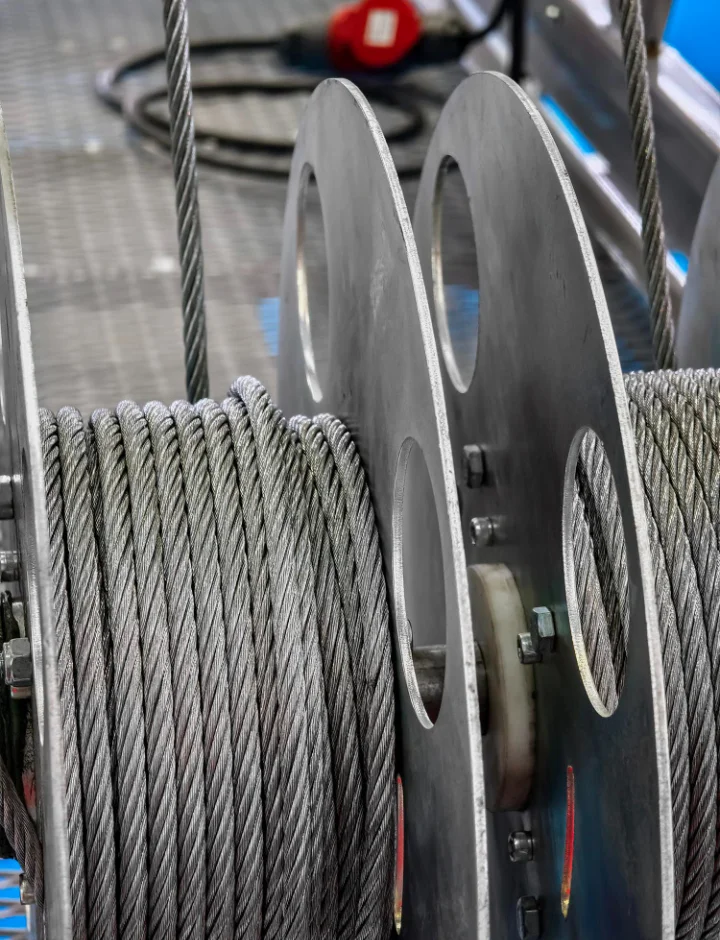
The Strategic Engineering Role of Precision Wire Forming in Manufacturing
In the high-capacity production landscape of industrial equipment, Automotive Assembly, and consumer electronics, structural components must meet exact geometric layouts. From simple clips and heavy-duty utility hooks to complex springs and structural frames, raw metal rods must be modified precisely to function safely. Consequently, utilizing advanced automated wire forming techniques has become a fundamental manufacturing requirement for engineering teams across the USA. This specialized mechanical process bends, shapes, and stamps raw wire coils into highly consistent three-dimensional components. Therefore, your choice of production architecture directly impacts on your hardware’s load capacity and long-term mechanical resilience.
Overcoming Structural Material Stress Points
Standard manual bending tools frequently introduce inconsistent bend angles and microscopic stress fractures along the outer metal radius. These physical defects can easily cause structural components to snap under repetitive cycles or intense mechanical loads. However, industrial-grade automated wire forming eliminates these material vulnerabilities completely by controlling force distribution via specialized computer numerical control (CNC) machines. This extreme processing accuracy ensures that the metal preserves its raw tensile strength during intense shaping cycles. This structural reliability allows you to deploy robust Wire Harness Solutions backed by rigid, perfectly fitting physical guide frames.
Key Technical Methods Used in Wire Forming Production
Transforming straight raw coils into intricate, multi-axis structural designs requires a series of highly synchronized mechanical operations. Modern production hubs utilize specialized automated platforms to handle different wire thicknesses and material types cleanly.
High-Speed CNC Multi-Axis Bending
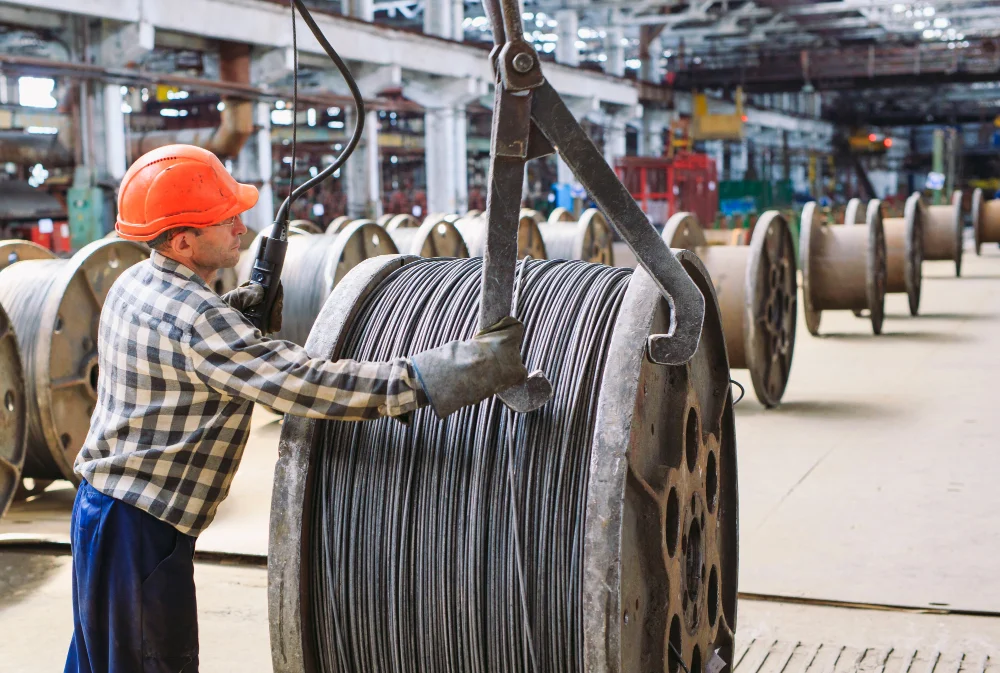
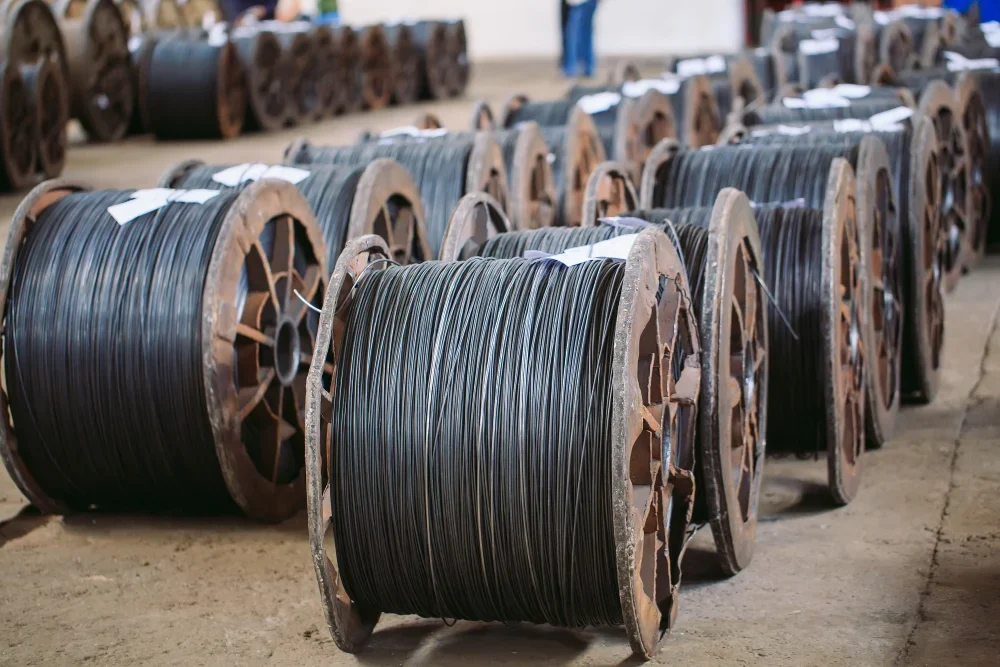
First, the raw metal rod is continuously fed from a large coil spool straight into a multi-axis CNC bending machine. This advanced configuration utilizes automated rollers and specialized tool heads to bend the material smoothly in any spatial direction. Consequently, this precise engineering allows for the creation of complex custom geometries without requiring expensive secondary tooling adjustments. Sourcing this exact level of physical manufacturing precision is highly straightforward when you partner with a certified Cable Harness Supplier for your component inventory.
High-Volume Four slides and Multi-Slide Machinery
Second, for massive production volumes of smaller, complex parts, specialized four slide horizontal stamping presses are deployed. These systems utilize four separate mechanical slides to strike the metal rod from separate angles simultaneously. Furthermore, this intense synchronized motion forms intricate configurations and punches custom terminal shapes in a single rapid pass. This organized production layout helps you feed a steady stream of structural brackets into your Customized Cable Assembly lines.
Crucial Quality and Compliance Metrics for Formed Metal Parts
Vetting the qualification procedures of your fabrication partner is essential for maintaining strict compliance across North American industrial grids. Because bad component structures cause early field fatigue, your formed metal parts must pass rigorous testing evaluation profiles.
- 100% Laser Dimensional Verification: Automated vision systems that measure critical bend angles continuously down to the exact micron.
- Tensile Strength and Yield Testing: Ensures the selected metal grade handles target mechanical loads without undergoing permanent bending.
- Strict ASTM and ISO Alignment: Enforces international material standards for raw metal alloy purity and surface coating durability.
- Micro-Crack Magnetic Inspection: Specialized diagnostic routines that find hidden internal metal fractures before parts leave the factory floor.
Seamless Structural Grid and System Integration
Building a dependable factory control network requires tracking how custom metal guide brackets sync up with primary energy distribution systems. To simplify this complex design process, smart engineering teams pair their custom wire structures with an optimized Industrial Wire Harness Assembly framework. This strategic combination delivers a complete, drop-in utility grid capable of running heavy power lines along secure, custom-routed metal channels. Sourcing these integrated assemblies from a domestic facility ensures all structural and electrical paths match perfectly.
Future Tech Upgrades in Automated Metal Fabrication Plants
As modern manufacturing spaces move closer toward full digital transformation, structural metal layouts must evolve to support smart automation assets. Modern processing setups no longer just bend basic steel; they also integrate physical pathways for smart data sensors.
Interconnecting Structural Mounts to Logic Boards
To coordinate these modern automated systems, advanced structural brackets mount directly next to highly sensitive sensory processing units. Fabricating these combined frameworks requires a flawless Circuit Assembly configuration that keeps microchips safe from heavy mechanical vibrations and electrical noise. Therefore, your automated processing networks can maintain rapid communication speeds without experiencing field data loss. This advanced level of hardware shielding protects your primary processing cards from sudden field crashes.
Hardened Environmental Panel Fabrication Services
Finally, your raw computing hubs and formed metal pathways require a rugged physical shield to block external threats like corrosive moisture or factory dust. Elite contract production facilities pair their internal line layouts with complete Electrical Fabrication capabilities. This full-service approach allows you to source both your technical wire-forming structural components and your weather-proof NEMA-rated metal enclosures from a single trusted provider.
Frequently Asked Questions (FAQs)
Q1:What materials are typically processed in professional wire forming?
Manufacturers utilize a wide array of metals, including high-carbon steel for strength, stainless steel for rust resistance, copper for electrical conductivity, and lightweight aluminum. Consequently, they match your exact environment.
Q2:Why is CNC automation better than manual wire bending?
CNC automation utilizes automated program loops and real-time laser checking to eliminate human variance across millions of parts. Therefore, every single component features identical dimensions and zero structural defects.
Q3:What is the main difference between CNC bending and four slide forming?
CNC bending is highly flexible and ideal for complex, lower-volume parts because it requires no custom tooling. In contrast, four slide forming uses hard custom dies to stamp out smaller, simpler parts at blazing-fast speeds.
Q4:Can formed wire parts be treated for corrosion resistance?
Yes. Completed components can undergo specialized post-production finishing processes, including zinc plating, black oxide coating, powder coating, or plastic dip coatings to withstand harsh elements.
Q5:Where can I find certified custom wire forming services in the USA?
You can partner with established domestic contract manufacturers like Auctus Electro to upload your engineering drawings and receive a professional technical production consultation.
Conclusion
In conclusion, optimizing your mechanical infrastructure through a premier wire forming blueprint is a critical investment in your company’s operational lifespan. By prioritizing advanced CNC automation, rugged material treatments, and strict international quality certifications, you protect your infrastructure assets from field failure. A premier contract partner like Auctus Electro provides the advanced engineering required to bring your most complex hardware concepts to life. Do not let unverified, low-grade components bottleneck your automated system’s scaling potential. Choose an engineered connectivity solution that drives your business forward with absolute safety, reliability, and efficiency.
Go To Top