- 3876 Industrial Ave, Rolling Meadows, IL 60008
- Info@auctuselectro.com

- 3876 Industrial Ave, Rolling Meadows, IL 60008
- Info@auctuselectro.com
Cable Manufacturing Plan
- Home
- Cable Manufacturing Plan

Streamlining Production with a Strategic Cable Manufacturing Plan
In the fast-paced world of industrial electronics, hardware delays can instantly derail critical project timelines. Every automation system, medical device, and heavy machine relies on complex wiring architectures to distribute power and data. Consequently, executing a highly structured cable manufacturing plan has become a vital requirement for engineering operations across the USA. This blueprint outlines every single phase of production, from raw material selection to final quality clearance. Therefore, a comprehensive manufacturing map directly eliminates operational bottlenecks, cuts material waste, and ensures absolute product consistency.
Mitigating Risks Through Proactive Design Allocation
Relying on loosely defined production schedules frequently introduces severe manufacturing defects, such as incorrect wire gauges or weak insulation jackets. These sudden failures can stall your assembly lines and lead to expensive product recalls for your brand. However, a meticulously mapped cable manufacturing plan eliminates these technical friction points before production ever begins. By setting exact material specifications early, engineers can protect internal networks from premature physical wear. This strategic planning allows you to deploy robust Wire Harness Solutions that stand up to the toughest operating conditions.
Structural Phases of a Cable Manufacturing Plan
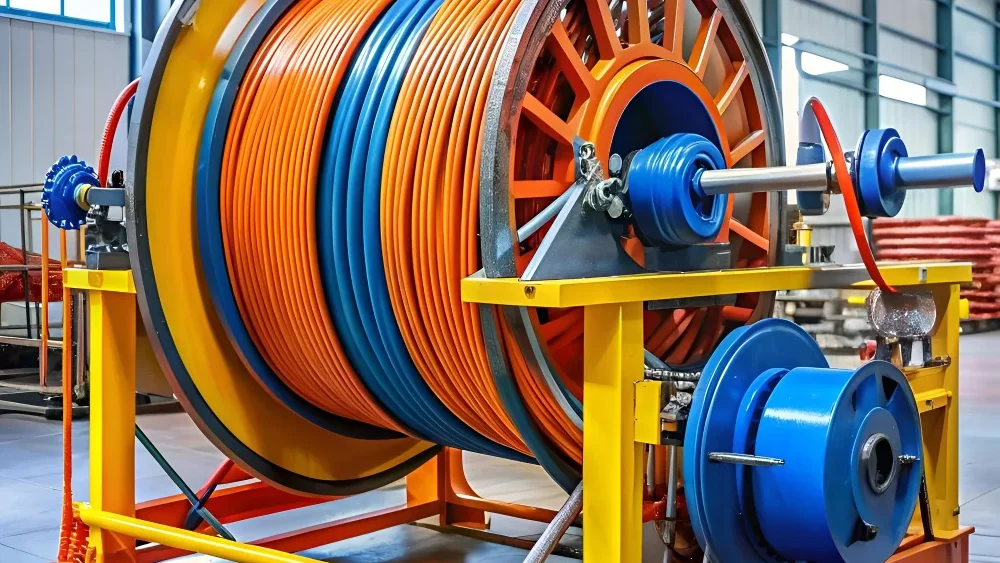
Transforming raw copper and polymers into industrial-grade data lines requires a continuous, highly controlled factory workflow. Each operational step must follow strict technical guidelines to maintain structural integrity across the entire batch.
Precision Material Selection and Advanced Coiling
First, engineers must select high-purity metal conductors and match insulation compounds based on the target environment. A thorough cable manufacturing plan defines the exact drawing speed, heating ranges, and extrusion thickness for the copper lines. Consequently, the insulated wires pass through automated checking stations to detect any microscopic flaws in the plastic jacket. Securing this exact level of raw material quality control is highly straightforward when you partner with a certified Cable Harness Supplier for your supply chain.
Organized Bundling for High-Performance Harnesses
Second, individual insulated conductors are systematically grouped together to prevent internal friction and signal crossovers. An optimized cable manufacturing plan uses advanced planetary stranding machines to apply perfect twisting patterns across the bundle. This specialized positioning allows the final product to bend smoothly inside cramped equipment panels without breaking. As a result, this clean internal layout lets you integrate a highly flexible Customized Cable Assembly into your hardware configurations.
Crucial Testing Standards in Modern Cable Manufacturing Plans
Vetting your production framework against international safety benchmarks is essential for maintaining strict compliance in North America. Because faulty wiring assemblies present severe fire hazards, your cable manufacturing plan must include rigorous quality checks.
- 100% Electrical Continuity Testing: Automated diagnostic routines that eliminate the risk of open circuits or dead shorts.
- IPC/WHMA-A-620 Standards: The definitive global benchmark governing strict assembly acceptability criteria for precision terminal crimping.
- Insulation Resistance Profiling: High-voltage checks ensuring that protective polymer jackets effectively prevent current leakage.
- Automated Mechanical Pull-Force Checks: Verifies that wire terminations can withstand continuous mechanical movement without pulling loose.
Comprehensive Power Grid and System Integration
Building an efficient factory network requires tracking how individual sensor data lines blend into main power distribution systems. To simplify this layout process, smart engineering teams connect their data paths to an optimized Industrial Wire Harness Assembly framework. This combination delivers a complete, drop-in infrastructure capable of running both high-voltage currents and low-voltage digital signals smoothly. Managing these interconnected designs within a single domestic facility ensures all internal termination components line up perfectly.
Future Engineering Integration in Smart Infrastructure
As modern factory facilities transition toward full digital transformation, production networks must evolve to manage dense data loops. Modern cabling systems do not just carry electricity; they also stream real-time diagnostic telemetry from automated fields.
Interconnecting Sensory Systems and Logic Boards
To coordinate these real-time data streams, factory networks link directly with highly sensitive processing units. Fabricating these connections requires a flawless Circuit Assembly configuration that keeps microchips safe from intense electromagnetic noise. Therefore, your automated processing systems can maintain rapid line communication speeds without experiencing data loss. This advanced level of hardware shielding protects your primary control boards from sudden field crashes.
Hardened Panel Enclosure Fabrication Services
Finally, your raw computing and power networks require a rugged physical shield to block external threats like corrosive moisture or factory dust. Elite contract production facilities pair their internal line layouts with complete Electrical Fabrication capabilities. This full-service approach allows you to source both your technical lines from an advanced cable manufacturing plan framework and your weather-proof NEMA-rated metal enclosures from a single trusted provider.
Frequently Asked Questions (FAQs)
Q1:What are the main benefits of a structured cable manufacturing plan?
It guarantees consistent electrical performance, minimizes raw material waste, ensures strict regulatory compliance, and shortens total production lead times. Consequently, you receive reliable, cost-effective infrastructure.
Q2:Why is real-time laser monitoring used in cable production?
Even minor variations in insulation thickness can cause sudden signal drops or short circuits. Therefore, automated laser tools measure the cable diameter continuously to catch defects instantly.
Q3:Can a single manufacturing plan accommodate hybrid power and data lines?
Yes. However, the production layout must include specialized inner foil shields. This physical barrier prevents high-voltage power lines from disrupting fragile, low-voltage data signals running through the same outer jacket.
Q4:What insulation polymers are processed under these manufacturing plans?
Factories specialized industrial polymers, including PVC for standard commercial use, Polyurethane for heavy abrasion resistance, and Teflon for extreme heat locations.
Q5:Where can I acquire verified custom cabling services in the USA?
You can partner with established domestic contract manufacturers like Auctus Electro to submit your engineering drawings and receive a comprehensive technical production consultation.
Conclusion
In conclusion, organizing your assembly operations through a premier cable manufacturing plan is a critical investment in your company’s operational lifespan. By prioritizing advanced shielding, exact physical dimensions, and strict international certifications, you protect your infrastructure assets from field failure. A premier contract partner like Auctus Electro provides the advanced engineering required to bring your most complex hardware concepts to life. Do not let unverified, low-grade components bottleneck your automated system’s scaling potential. Choose an engineered connectivity solution that drives your business forward with absolute safety, reliability, and efficiency.

Go To Top