- 3876 Industrial Ave, Rolling Meadows, IL 60008
- Info@auctuselectro.com

- 3876 Industrial Ave, Rolling Meadows, IL 60008
- Info@auctuselectro.com
Cable Making Machine
- Home
- Cable Making Machine
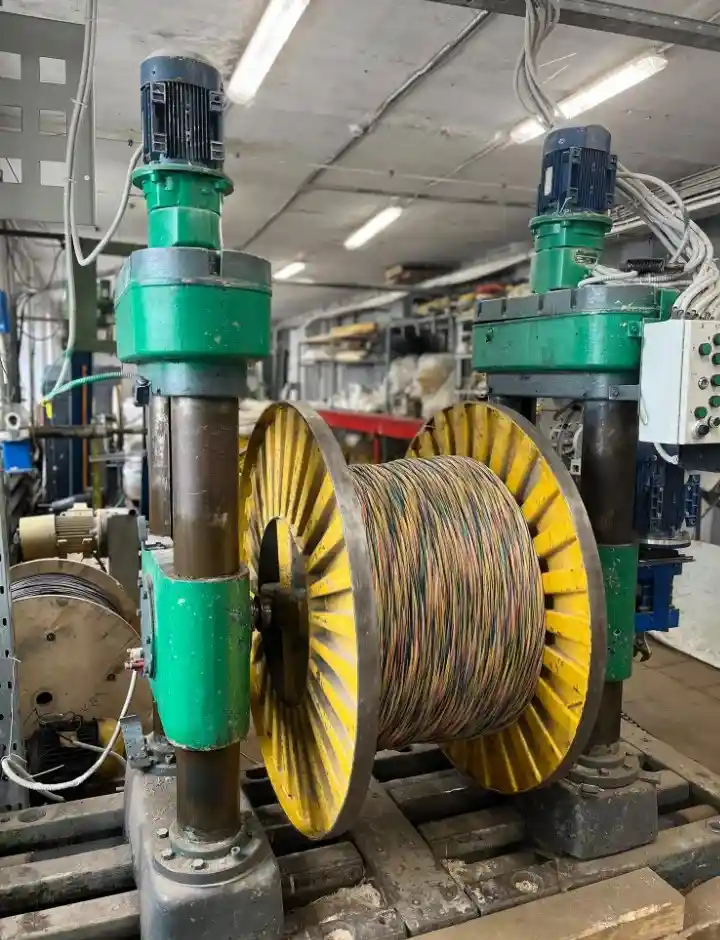
Maximizing Production Efficiency with an Advanced Cable Making Machine
In the fast-evolving field of industrial automation, manufacturing speed dictates profit margins. Every smart factory depends on thousands of meters of specialized copper wires to connect heavy machinery loops. Consequently, investing in a high-speed cable making machine has become a top priority for Electronic Contract Manufacturers across the USA. These heavy-duty industrial systems convert raw metals and plastics into highly precise electrical lines. Therefore, the processing stability of your assembly plant directly impacts your structural product quality and client fulfillment rates.
The Evolution of Modern Processing Infrastructure
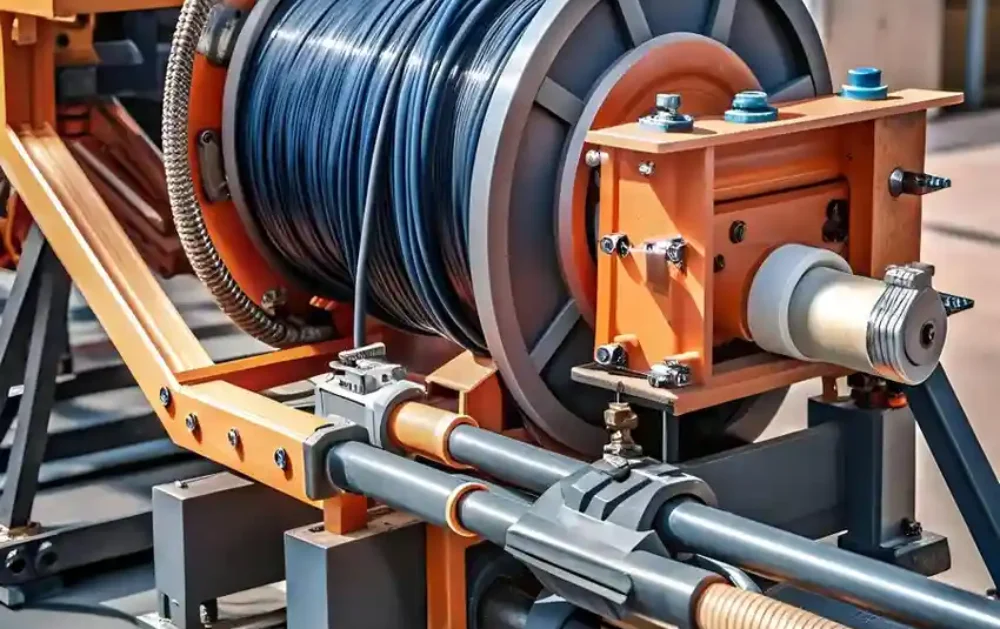
Older manual extrusion lines often cause inconsistent insulation thickness and frequent core breakage during high-speed runs. These performance errors created massive material waste and forced expensive facility downtime. However, a modern automated cable making machine eliminates these operational defects by tracking output dynamics in real-time. Using precise tension controllers and smart sensor blocks, it maintains structural concentricity. This heavy-duty automation allows you to deploy high-grade Wire Harness Solutions that satisfy rigorous engineering benchmarks.
Essential Operational Steps of a Cable Making Machine
Building high-performance electrical lines requires a series of continuous mechanical steps. Each step must be aligned perfectly to prevent internal micro-defects before the finished reels are packaged.
Step 1: High-Speed Wire Drawing and Annealing
First, raw metal rods must be pulled through a sequence of hard diamond dies to reduce their structural diameter. A specialized Cable Making Machine utilizes continuous multi-wire drawing lines to achieve thin, precise structural shapes. Consequently, this intense pulling process hardens the copper, requiring a built-in heat-annealing chamber to restore raw electrical conductivity. Securing this premium physical durability is straightforward when you partner with a trusted Cable Harness Supplier for your component workflows.
Step 2: Advanced Stranding and Core Twisting
Second, multiple thin bare lines are twisted tightly together to form a highly flexible singular core conductor. This twisting pattern prevents structural fatigue when the wires undergo continuous mechanical bending. Furthermore, an industrial-grade cable making machine uses automatic double-twist bunchers to maximize daily production volume. This organized structural alignment helps you integrate a reliable Customized Cable Assembly into your complex electronics setups without creating inner structural kinks.
Key Technical Standards for Heavy-Duty Extrusion Lines
Vetting the structural outputs of your automated factory lines is crucial for maintaining regulatory compliance in North America. Because bad insulation layers present fire hazards, your production machinery must follow strict international safety parameters.
- PLC-Based Tension Management: Maintains a steady pull speed to eliminate thin insulation patches along the line.
- Online Spark Testing: Detects microscopic pinholes in the polymer jacket before the product is wounded.
- Dual-Spool Take-Up Stands: Allows continuous winding swap-overs without stopping the main extruder.
- Laser Diameter Controls: Measures the outer jacket size continuously down to the exact millimeter.
Seamless Heavy System Routing and Integration
Creating a dependable industrial network requires blending heavy building cords with highly technical drop-in branches. To streamline this workflow, modern plants combine standard data cables with an Optimized Industrial Wire Harness Assembly framework. This combination delivers a complete drop-in layout capable of running high-voltage currents smoothly. Sourcing these heavy-duty networks from a certified domestic facility ensures that all your internal hardware pins sync perfectly.
Future Engineering Upgrades in Industrial Automation Plants
As manufacturing facilities shift toward fully automated digital lines, production equipment must adapt to process new green polymers. Modern processing lines are no longer just about melting raw plastics; they are also about tracking operational metrics.
Powering Smart High-Density Logic Boards
To handle complex multi-conductor combinations, modern production centers plug their control terminals directly into advanced management stations. Building these smart control boards requires a perfect Circuit Assembly configuration that keeps microchips safe from intense electrical noise. Therefore, your automated production systems can maintain rapid line speeds without experiencing system logic drops. This advanced electrical integration shields your main control panels from sudden high-voltage field crashes.
Hardened Environmental Fabrication Frameworks
Finally, your raw processing equipment needs a heavy physical boundary to shield sensitive motor drives from abrasive factory dust. Elite contract production facilities pair their internal line layouts with comprehensive Electrical Fabrication services. This full-service approach allows you to source both your technical lines from an elite cable making machine and your weather-proof NEMA-rated enclosures from a single provider.
Frequently Asked Questions (FAQs)
Q1: What materials can a modern cable making machine process?
It processes high-conductivity copper and lightweight aluminum for core lines, alongside raw polymers like PVC, Polyethylene, and Teflon for outer insulation. Consequently, it yields high-grade utility infrastructure.
Q2: Why is an online spark tester necessary on extrusion lines?
An online spark tester applies a high-voltage field to the jacket during production to catch microscopic insulation gaps. Therefore, it prevents dangerous short circuits before the line leaves the factory floor.
Q3:What is the difference between a wire drawing line and a stranding machine?
A wire drawing machine reduces the physical thickness of a solid metal rod through hard dies. In contrast, a stranding machine twists multiple small wires together to form a highly flexible multi-core structure.
Q4:Can a single cable making machine apply multiple insulation layers?
Yes. Modern co-extrusion lines utilize multiple heads to apply an inner color coating and a tough outer weather jacket in a single pass.
Q5:Where can I source precision cable assemblies built by certified machines in USA?
You can partner with premier domestic contract manufacturers like Auctus Electro to submit your project schematics and receive an expert engineering consultation.
Conclusion
In conclusion, utilizing a premium cable making machine is a critical investment in your factory’s technical future. By prioritizing automated laser diameter checking, multi-stage tension controls, and local assembly partnerships, you protect your infrastructure assets from field failure. A premier contract partner like Auctus Electro provides the advanced engineering required to bring your complex power routing concepts to life. Do not let outdated, low-speed equipment bottlenecks your smart plant’s scaling capability. Choose an engineered connectivity solution that drives your business forward with absolute safety, reliability, and efficiency.
Go To Top